Worth remembering
- RIB Alesund - Fjordsafari Hjørundfjord is listed from US$157, rated 4.88 from 150 reviews, with 105 minutes on the water.[1]
- Alesund is spread across seven large islands, and the compact centre is easy to walk from the cruise quays.[2]
- The ride itself runs 105 minutes, and starting times are shown when you check availability for your date.[1]
- The listing offers reserve now and pay later, and free cancellation up to 24 hours in advance for a full refund.[1]
- Alesund had 656,678 day cruise passengers in 2024, the highest number among Norwegian ports.[3]
- Top choice RIB Hjørundfjord Safari from US$157 Duration105 minutes[1]Rating4.88 from 150 reviews[1]GuideLive tour guide: English[1]StyleFast open boat into the fjord Check availability
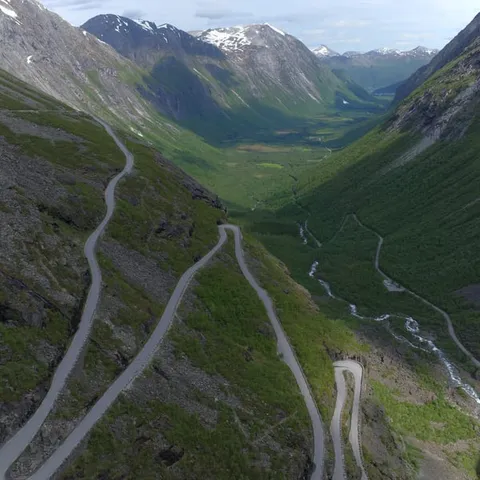
- Trollstigen Sightseeing Tour from US$190 Duration6 hours[4]Rating4.48 from 740 reviews[4]GuideLive tour guide: English[4]StyleBy road over the passes See this tour
- Fjord Tour Round Trip from US$115 Duration5 hours[5]Rating4.22 from 60 reviews[5]GuideLive tour guide: English[5]StyleBy boat on sheltered water See this tour
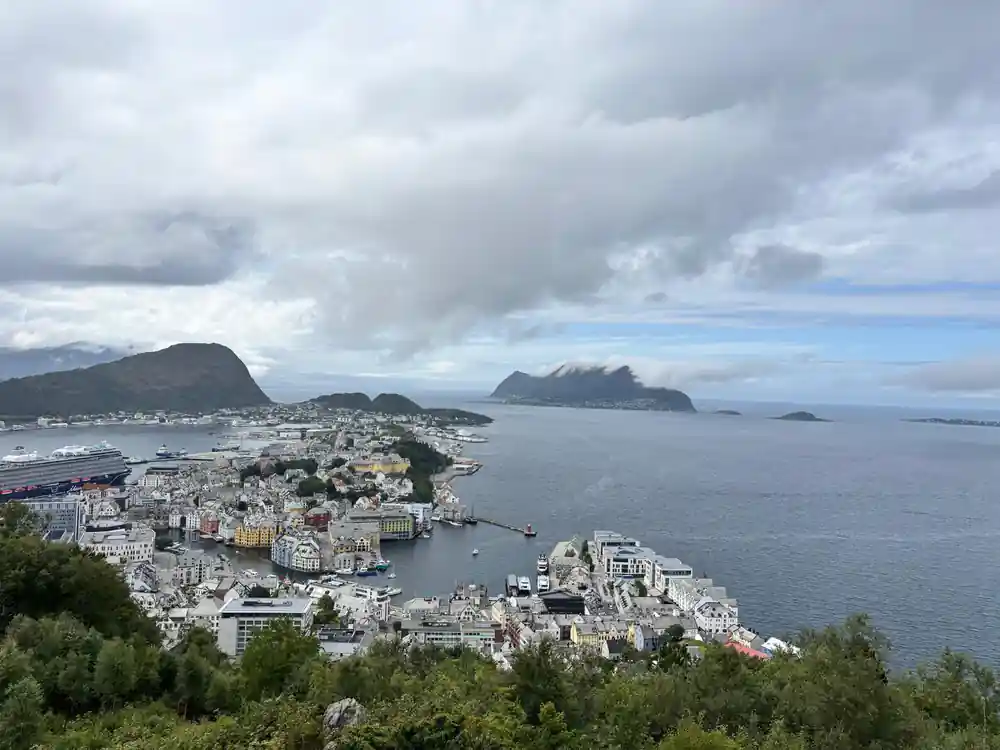
Those taking the 418 stone steps are certainly rewarded, but it's not for everyone.
The verdict for cruise passengers in Alesund
At the pier
On the water
- Dress in layers with a warm hat and gloves for the fast stretches
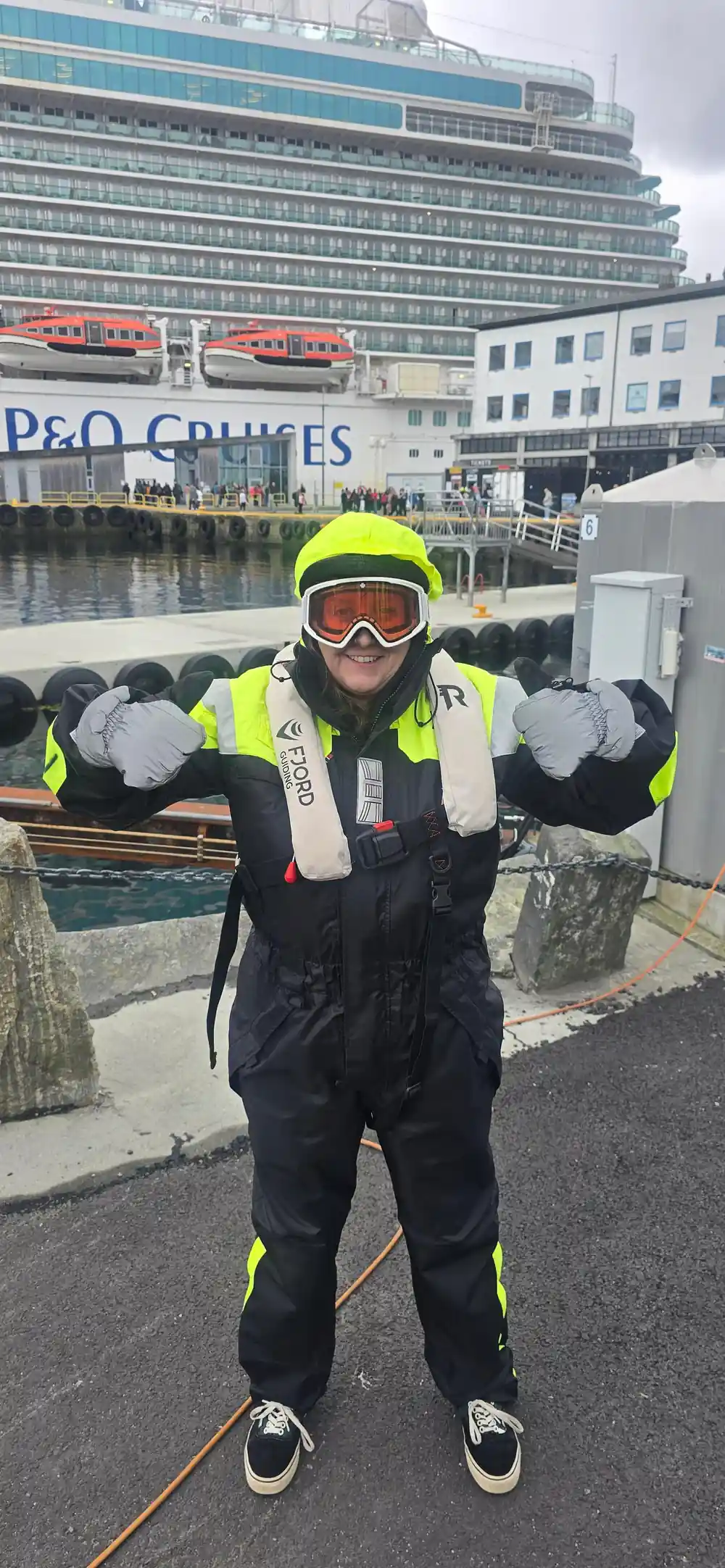
- RIB-Lofoten supplies the flotation suit that everyone on its Arctic tours must wear.[6]
- Sunglasses help when the light comes flat off the water
- Ask your operator what gear is provided before you leave the ship
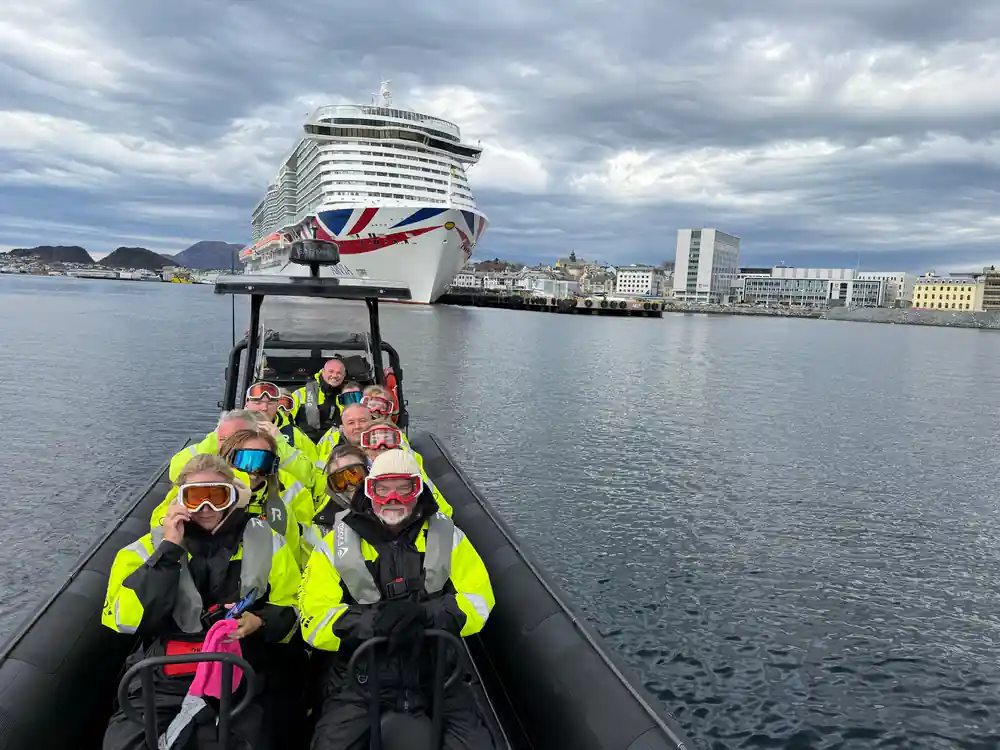
Where the boat sits relative to your ship
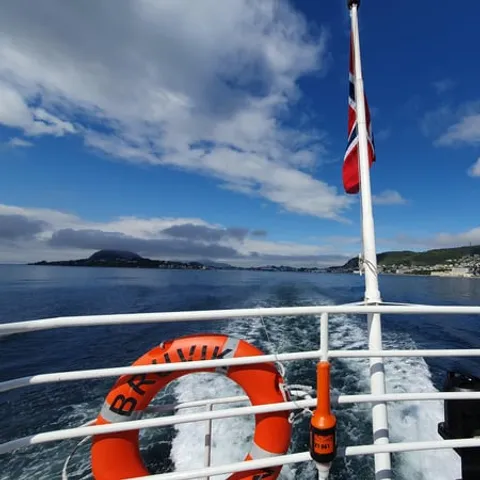
Alesund is a port town spread across seven large islands, and the cruise quays sit close to the middle of it.[2] Step off the gangway and the Art Nouveau streets are a short walk away: the town was rebuilt in Jugendstil, the architectural style of the time, after the fire.[7] Alesund was founded in 1838, and the centre still keeps the shape of a fishing town, with the harbour, the little canal and the low bridges between the islands all within a few minutes of one another.[8] The harbour is compact and the centre is easy on foot, and a boat trip out of town is a natural way to spend a port day.
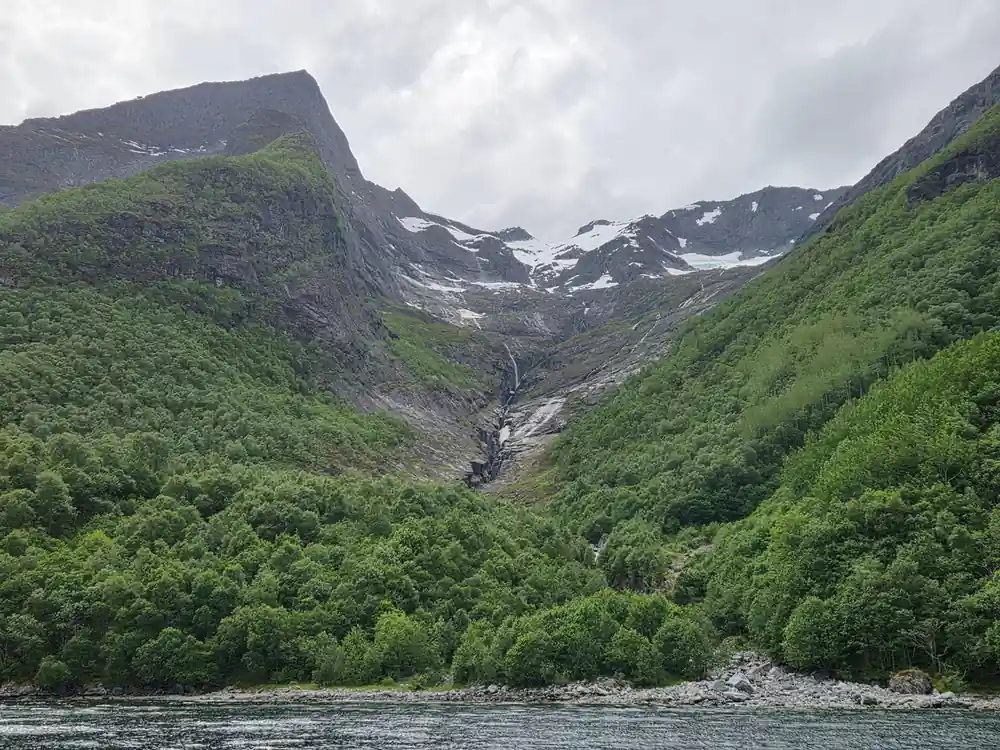
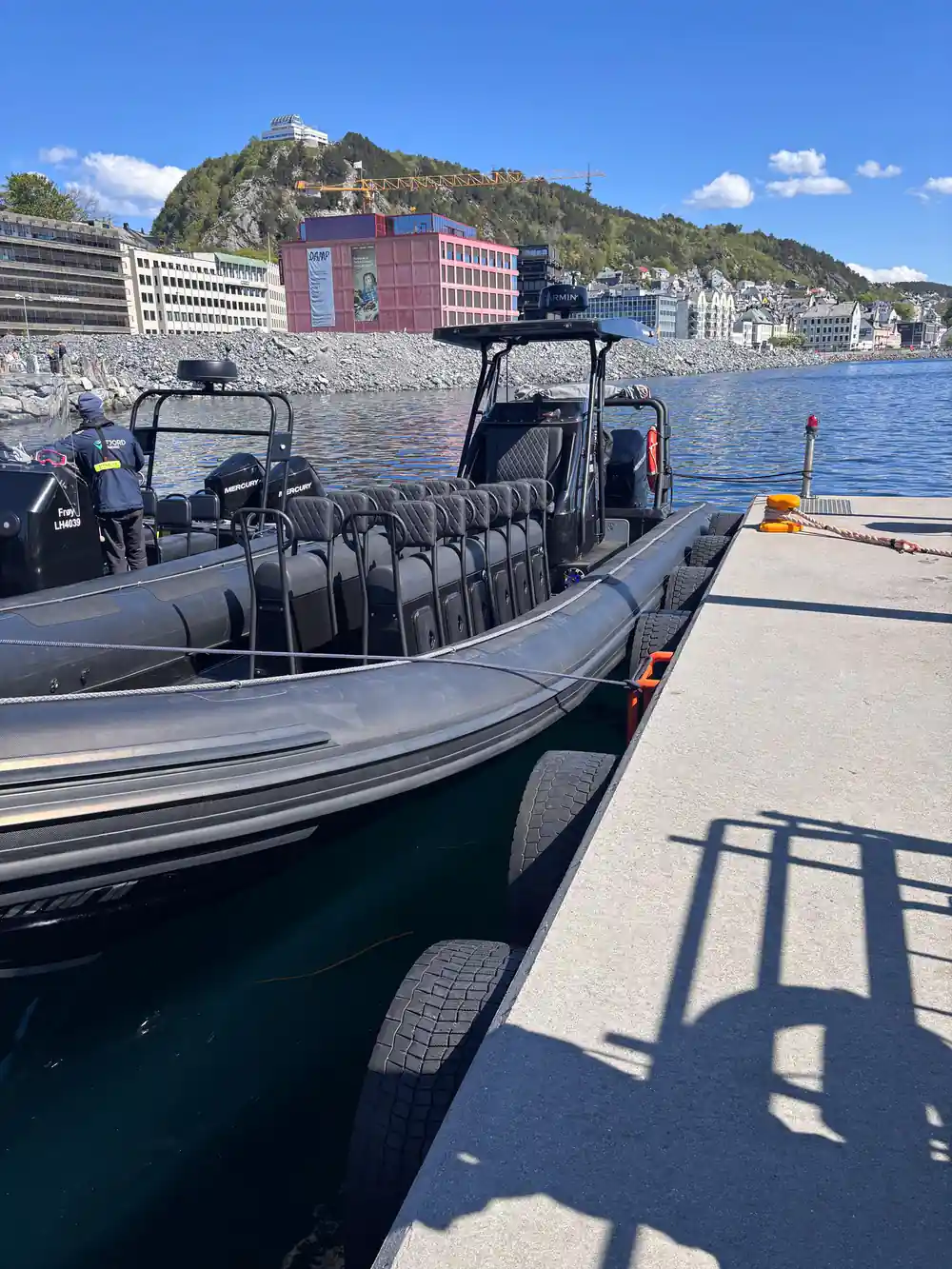
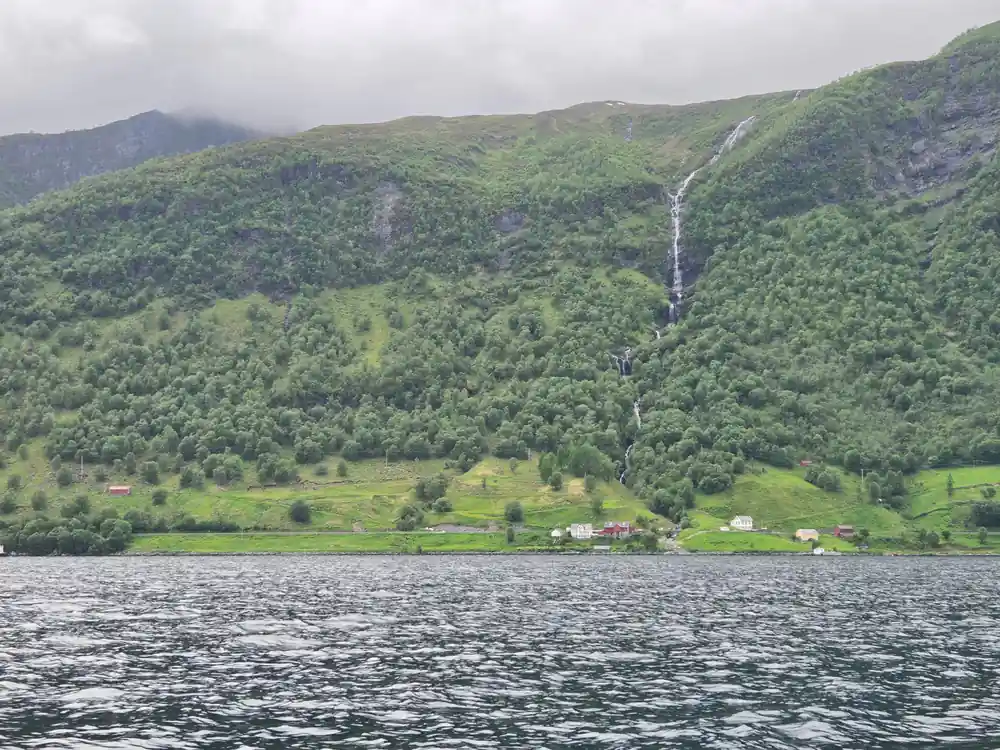
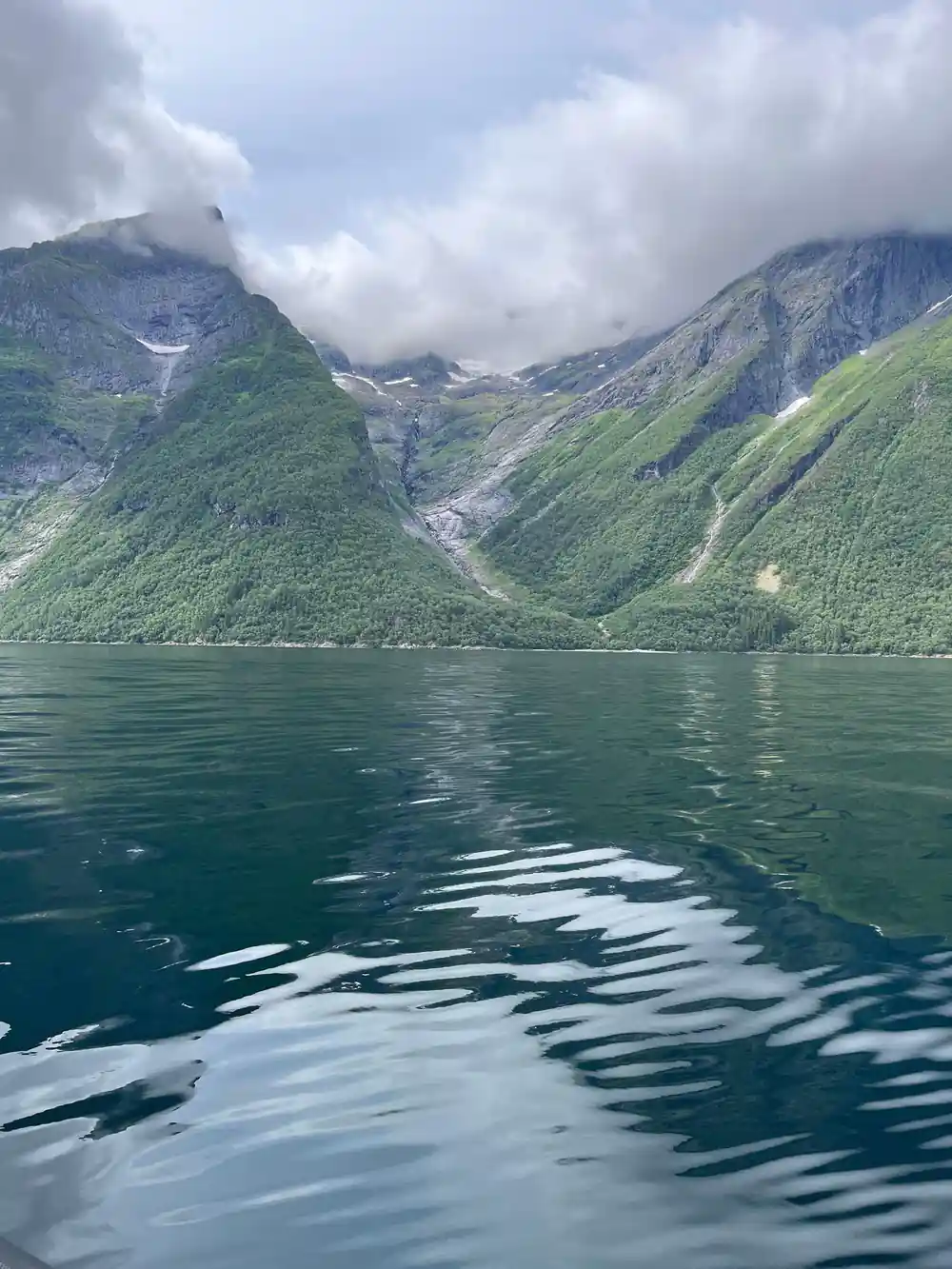
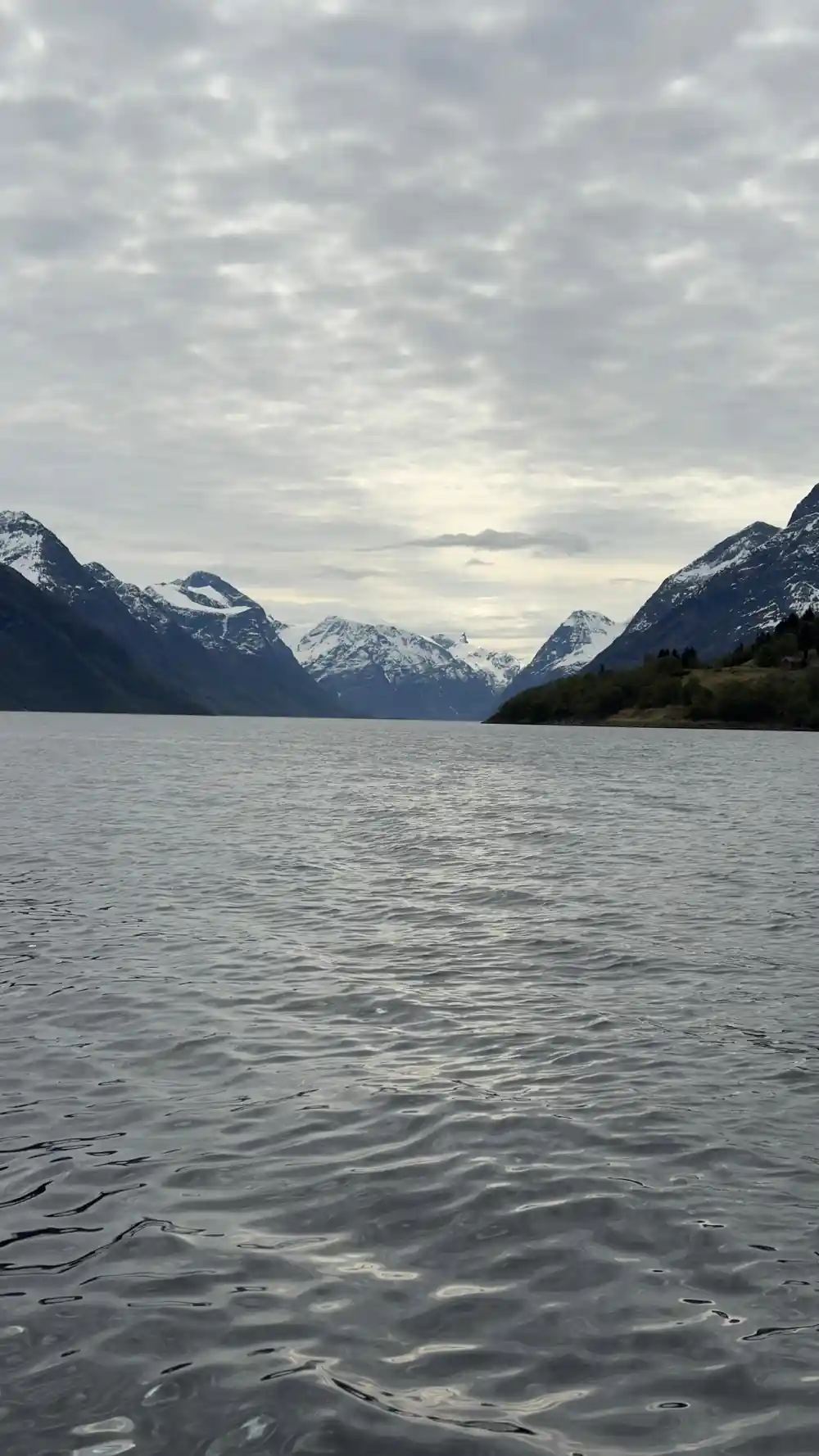
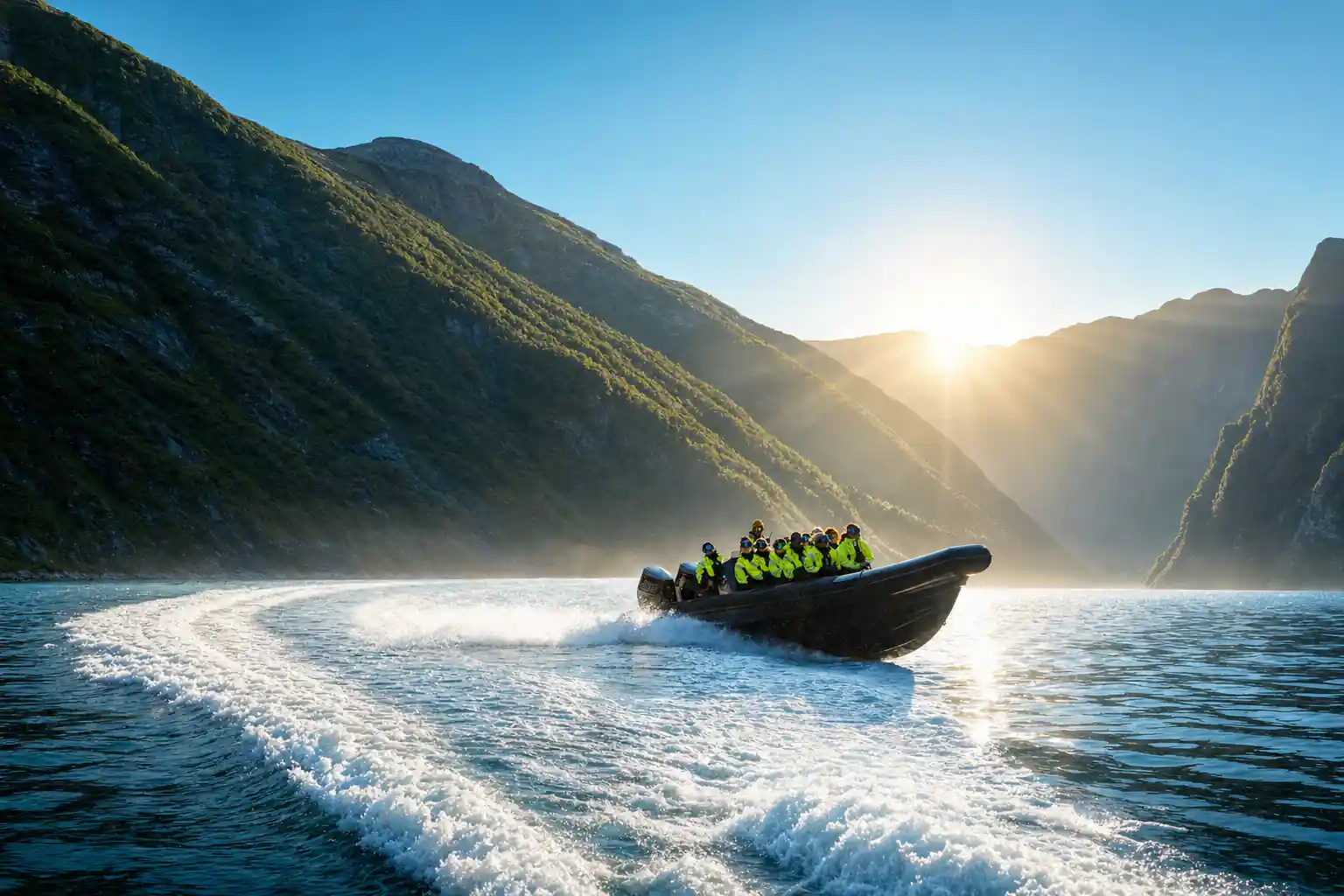
The trip this page is built around is the RIB Alesund - Fjordsafari Hjørundfjord.[1] A RIB is a rigid inflatable boat, low to the water and quick, and the fjordsafari format means a run out of town and into the mountains rather than a slow loop of the harbour. The listing gives the Hjørundfjord as its stop rather than a town-centre address.[1] Confirm the meeting point with the operator when you book. Out there the water is deep and glassy, the walls of the fjord climb on both sides, and the spray comes over the tubes whenever the boat turns.
Fitting the fjordsafari around a port call
The fjordsafari runs 105 minutes, and starting times appear when you check availability for your date.[1] Add the walk or transfer at each end, the safety brief and the minutes it takes to get everyone suited up, and you are spending a solid block of your port call rather than a spare hour. Work backwards from your ship's all-aboard time, decide on a margin you are happy with, and treat the boat time as the middle of the sandwich. Alesund took 656,678 day cruise passengers in 2024, the highest number among Norwegian ports.[3] Expect company on the quayside when you get back.
If you would rather stay close to the ship, the town and its surroundings fill a short call. The Aksla viewpoint is reached by a stone staircase of 418 steps, with the islands laid out below.[9] Atlanterhavsparken, known in English as the Atlantic Sea Park, is considered one of Northern Europe's largest and most unique saltwater aquariums.[10] Further out, the Storfjord is one of Norway's ten longest fjords, stretching 110 kilometers out to the Sulafjord and reaching a depth of 672 meters at its deepest.[11]
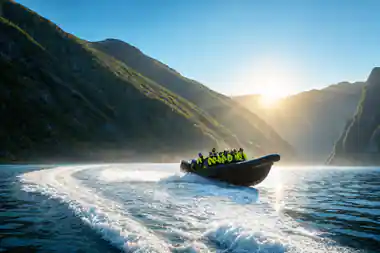
Spray over the tubes on a turn, with the Sunnmøre peaks behind
Booking direct against booking through the ship
The RIB Alesund - Fjordsafari Hjørundfjord is listed from US$157, rated 4.88 from 150 reviews, with a live tour guide in English.[1] The same listing offers reserve now and pay later and free cancellation up to 24 hours in advance for a full refund.[1] Those are the terms you accept when you book the boat yourself, and they are worth reading closely before you decide how to spend your port day. The clock decides everything else.
Booking through the ship is a separate arrangement with its own price, its own paperwork and its own conditions, sold at a shore excursion desk. Booking the RIB yourself means you choose the start time that suits your call, and the booking terms sit in your own hands, including the right to cancel up to 24 hours in advance for a full refund.[1] Compare the two on what you can actually check: time on the water, the price, the language of the guide and what happens if the ship is late.
When your ship arrives late
Ships run late for weather, pilotage and the plain business of moving thousands of people on and off. If your berth time slips, the boat's 105-minute slot does not slide with it.[1] Free cancellation runs up to 24 hours in advance for a full refund.[1] In practice your protection is the message you send the operator as soon as a delay is announced, rather than a claim made at the quay. Save the operator's number in your phone before the day.
It helps to keep a shorter fallback in your pocket. The small-group walking tour of the Art Nouveau streets runs 2 hours and is listed from US$68, which fits a squeezed afternoon.[12] For something on the water, Alesund: RIB Coastal Safari with Guide and Gear runs 1 hour, is listed from US$105 and is a small group limited to 12 participants.[13] Both can be held in reserve and decided on once you know your real arrival time.
from US$157
The RIB Alesund - Fjordsafari Hjørundfjord runs 105 minutes with a live tour guide in English.[1]
Busy days, and why booking ahead matters
Alesund had 656,678 day cruise passengers in 2024, the highest number among Norwegian ports.[3] The centre is small, the viewpoints are few, and on a morning when several ships are in, the walking streets, the bakery queues and the boats all fill at the same time. The fjord itself never feels crowded, but the boats that go out there are small, and a RIB is the smallest kind of boat you can book.
That is the argument for booking before you sail. The RIB listing offers reserve now and pay later, which means a seat can be held early without the money leaving your account yet, and free cancellation up to 24 hours in advance for a full refund keeps the decision reversible.[1] Wait until the morning you dock and your choice narrows to whatever is left. On a busy day that may be a walk up Aksla instead, and the viewpoint is reached by a stone staircase of 418 steps.[9]
What a wind cancellation means for you
Fjord weather decides a lot on this coast. The RIB fjordsafari listing offers free cancellation up to 24 hours in advance for a full refund, which covers your own change of mind before the day.[1] If the operator calls a trip off, the conversation and the refund run through them. Ask before you book how a cancellation reaches you and what your options are. Wind on exposed water is a question of comfort as much as anything, and the call belongs to the skipper.
Plan for rain whatever the forecast says. Alesund receives 1730 millimeters of precipitation per year, ranging from 85 millimeters in May to 210 millimeters in December.[14] Waterproof outer layers, a warm hat and gloves are the difference between a grin and a shiver, and sunglasses help when the light comes flat off the water. The distance from Alesund to Geiranger is 67 miles (108 km), a reminder of how much fjord country runs on beyond the town.[15] A grey, wet morning out there is still a good morning.
What to take off the ship with you
Take your booking confirmation, your phone, a little money for coffee and anything you need for the day, and keep it all in one small bag or a dry pouch. RIB-Lofoten, a Norwegian operator working further north, says that on its RIB tours above the Arctic Circle everyone on board is obliged to wear a warm flotation suit, which the operator supplies.[6] Operators differ in what they hand out. Ask the one you book with what is provided and what you should bring yourself.
Dress in layers rather than one thick jumper: a thermal base layer, a fleece, a waterproof shell and gloves, with a neck warmer for the fast stretches. Shoes should be flat and grippy rather than smart. Leave the big camera bag on the ship if you can, pack the phone in a small dry pouch and put a spare pair of socks in with it. A short chat with your operator about gear, meeting point and timing before the day will save you a rushed morning.
Day cruise passengers in 2024 at Norwegian ports
Number of day cruise passengers in 2024, by port.[3]
From-prices for a fjord day from the pier
Per-person from-prices in US dollars, from the GetYourGuide listings for these tours.[1][4][5][16]
When to book the fjordsafari
From ship to fjord
Check your port times
Note your ship's arrival and all-aboard times first, then choose a tour start time that leaves a margin you are happy with.
Book your seat
The RIB fjordsafari is listed from US$157 with reserve now and pay later and free cancellation up to 24 hours in advance.[1]
Confirm the meeting point
Starting times show when you check availability, and the listed stop is the Hjørundfjord, so ask where to meet.[1]
Dress for the fjord
Layers, gloves, a waterproof shell and flat grippy shoes. Ask your operator what gear is supplied and what you should bring.
Ride the fjord
You are on the water for 105 minutes, out towards the Hjørundfjord and back again.[1]
Ready to ride the Hjørundfjord from the Alesund cruise pier?
from US$157Reserve now & pay later