Worth remembering
- A car ferry across the Storfjord between Sykkylven and Magerholm, on the road link that carries you from the Sunnmøre valleys into Ålesund without the long way round.
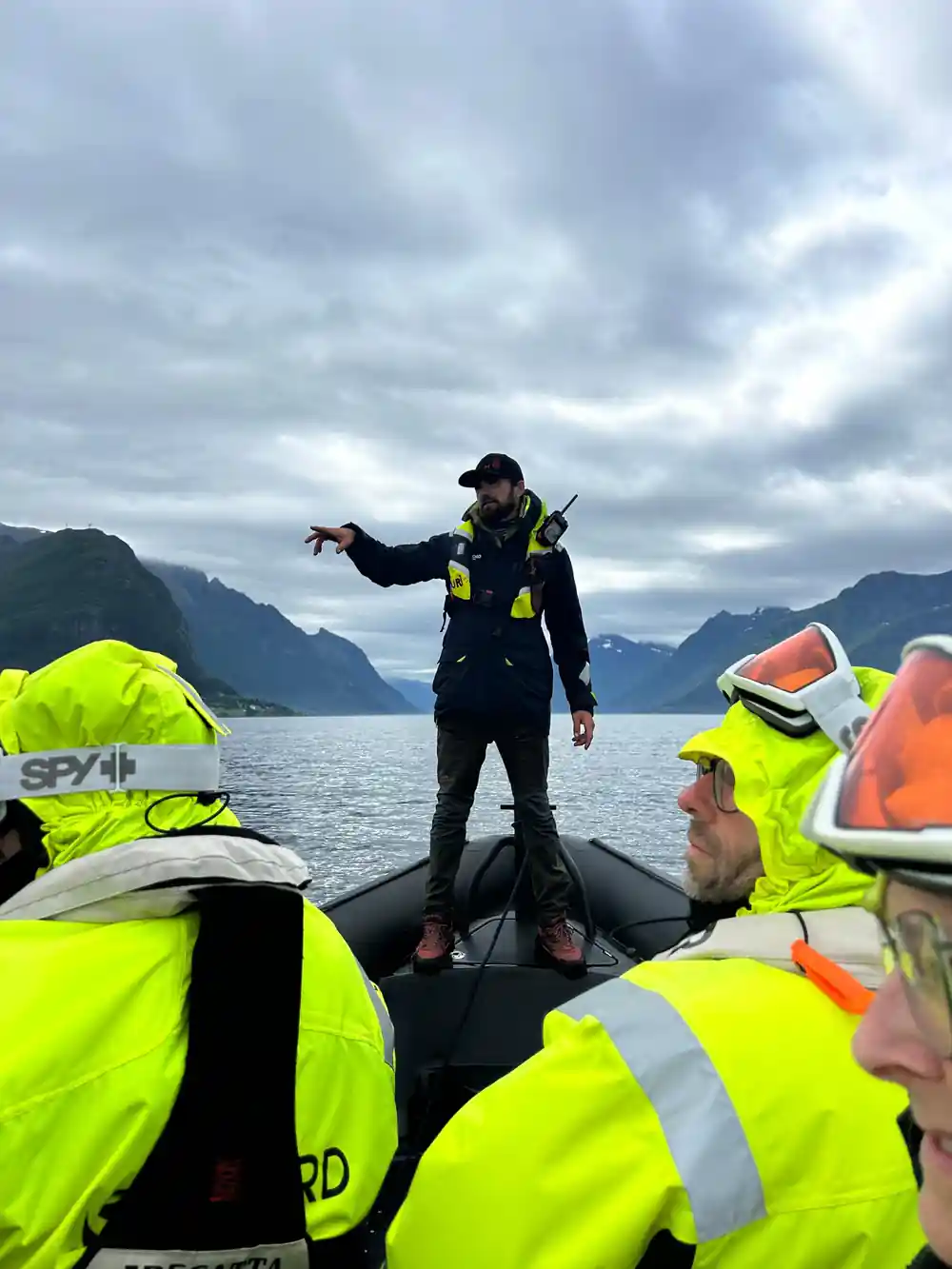
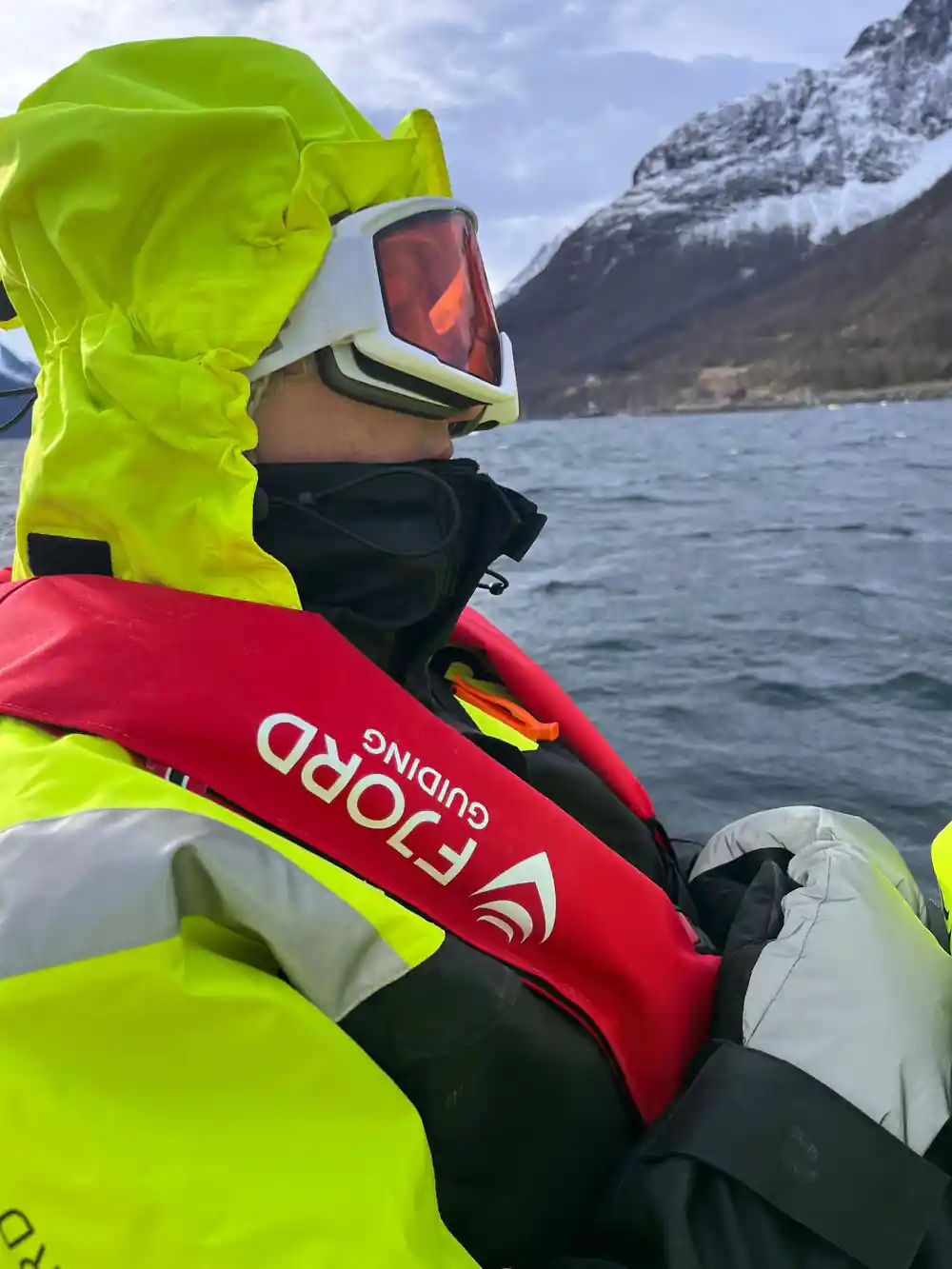
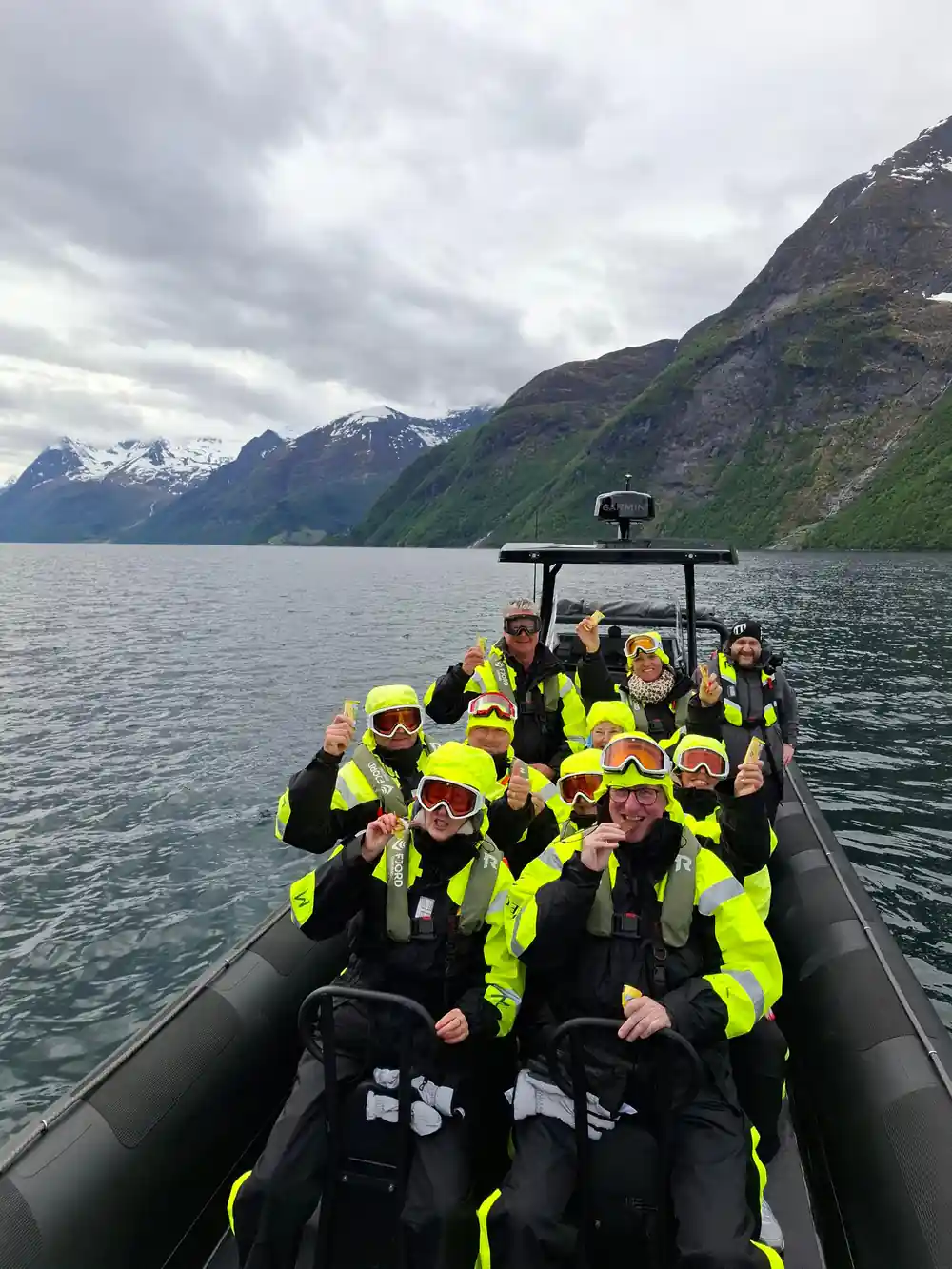
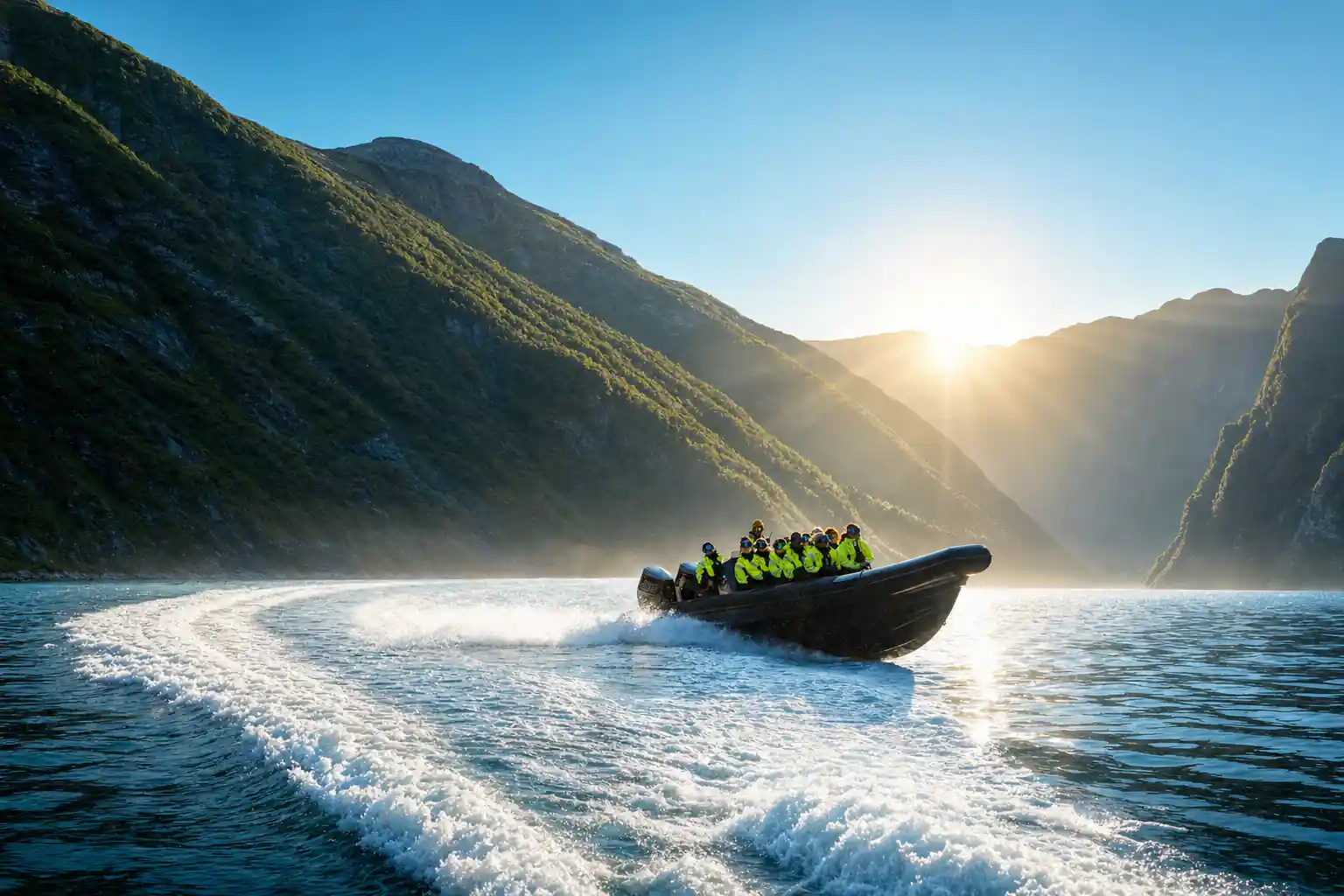
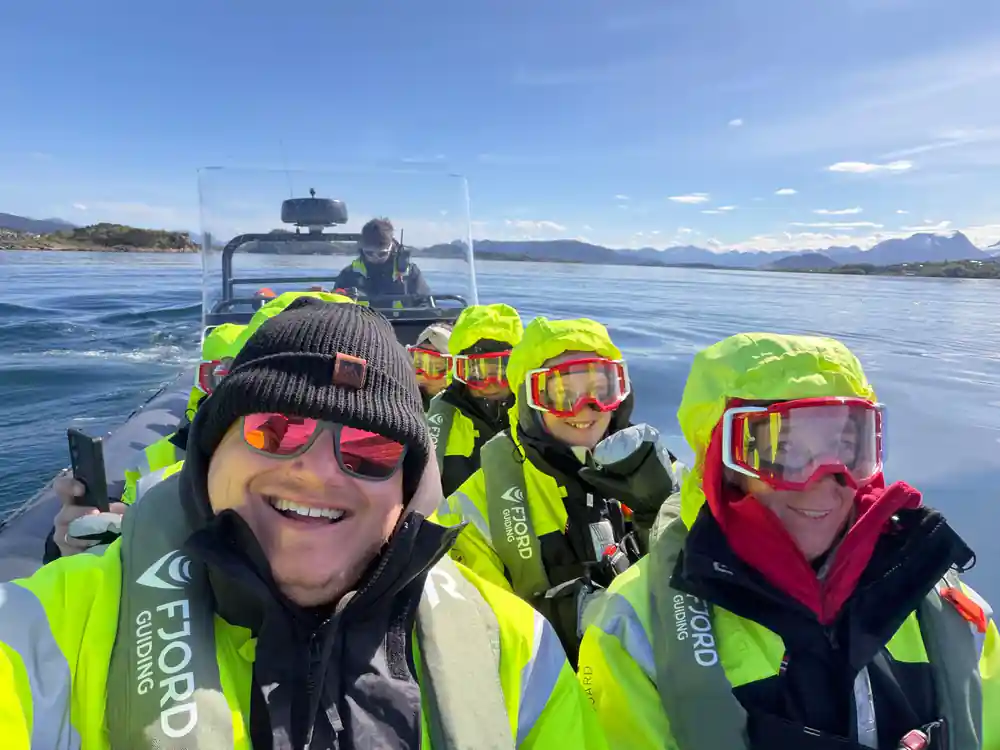
- The RIB Ålesund - Fjordsafari Hjørundfjord runs 105 minutes with a live English-speaking guide and is from US$157.[1]
- Ålesund receives 1730 millimetres of precipitation a year, from 85 millimetres in May to 210 millimetres in December, so a waterproof shell earns its place.[2]
- Look up the ferry times for your own date, then leave slack around them. Ferries, tunnels and fjord roads all move at their own pace, and the last sailing comes round quickly.
- The Storfjord stretches 110 kilometres out to the Sulafjord and reaches 672 metres deep at its deepest, so the crossing sits on a serious piece of water.[3]
- Top choice RIB fjord safari from US$157 Duration105 minutes[1]Rated4.88 from 150 reviews[1]GuideLive tour guide: English[1]BookingReserve now & pay later[1] Check availability
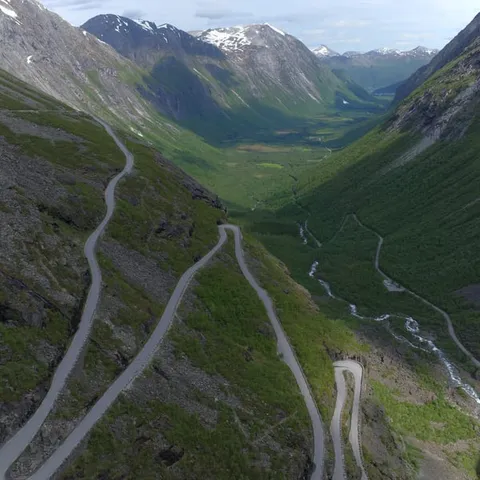
- Trollstigen sightseeing from US$190 Duration6 hours[4]Rated4.48 from 740 reviews[4]GuideLive tour guide: English[4]BookingReserve now & pay later[4] See this tour
- Fjord tour with lunch from US$156 Duration7 hours[5]Rated4.54 from 19 reviews[5]GuideLive tour guide: English[5]BookingReserve now & pay later[5] See this tour
Ålesund is spread across seven large islands: Hessa, Aspøya, Nørvøya, Oksenøya, Ellingsøya, Humla, and Tørla.
Ferry first, fjord second, weather decides the rest
Before you cross
- Check the sailing times for your travel date, including the last departure of the day.
- Look up the current fare for your vehicle size, or for a foot passenger, before you queue.
- Arrive at the quay with time to spare, especially in summer when the lanes fill.
- Pack sunglasses, a rain jacket and something warm in the same bag.
On the fjord
- The water is cooler than the town, so a warm layer makes the deck comfortable.
- Drivers load in lane order and can usually step up to the saloon for the view.
- Tell the crew if anyone in your group is nervous about speed on a fast boat.
- Ask the operator about ramps and boarding if you travel with a wheelchair or a pram.
What the crossing is
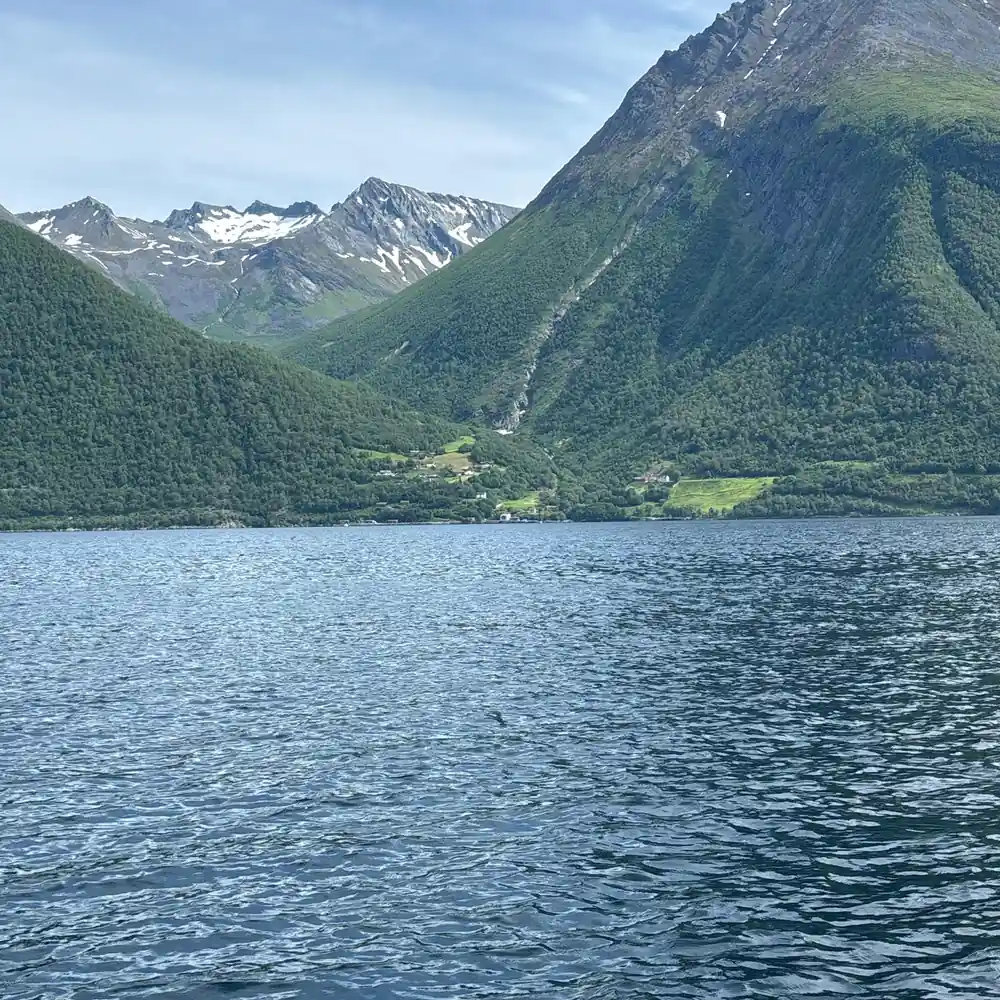
Magerholm sits on the mainland side of the Storfjord, close to Ålesund, and Sykkylven lies across the water on the Sunnmøre side. The ferry between the two quays is a working part of the road network rather than a sightseeing trip. Cars, vans, cyclists and foot passengers load at one end and unload at the other, and on a clear day the water opens around you with steep green slopes falling straight into the fjord. Nobody on board treats the crossing as an attraction, which is part of its charm.
The water beneath the hull belongs to the Storfjord system. The Storfjord is one of Norway's ten longest fjords, stretching 110 kilometres out to the Sulafjord and reaching a depth of 672 metres at its deepest.[3] That scale is easy to forget when you are standing on a car deck with a coffee in your hand, but it explains why the wind picks up so quickly and why the far shore always looks further away than it should.
Ålesund is spread across seven large islands, and the ferry route threads the same island and fjord landscape that shapes the whole district.[6] Expect the crossing to be glassy and calm one hour and choppy and grey the next, with the light shifting over the peaks the whole time. It is a short ride, but it puts you properly on the water.
How often and how long
Ferry timetables on this stretch of coast change with the season, the day of the week and the time of day, and the sailing that suits a summer afternoon may not exist on a quiet winter morning. Before you build a day around the crossing, look up the current departure times for the date you are travelling, and check whether the boat you want takes cars. The crossing itself is short, so the wait on the quay is usually the longer part of the journey.
If you are driving, you join a lane and load in the order you arrived. Foot passengers and cyclists often board separately, walking on to the vehicle deck or up to the saloon. The rhythm is the same at every Norwegian ferry quay: arrive with time to spare, watch the lights, and follow the crew's hand signals rather than trying to guess which way to turn.
The thing worth planning around is the rest of your day. If the ferry feeds into a longer drive towards Stranda, Geiranger or the villages along the Hjørundfjord, leave slack in the schedule. Timetables shift around holidays and in the shoulder seasons too, and in summer the queue can stretch back along the road well before departure. A quick check the evening before saves a lot of standing about.
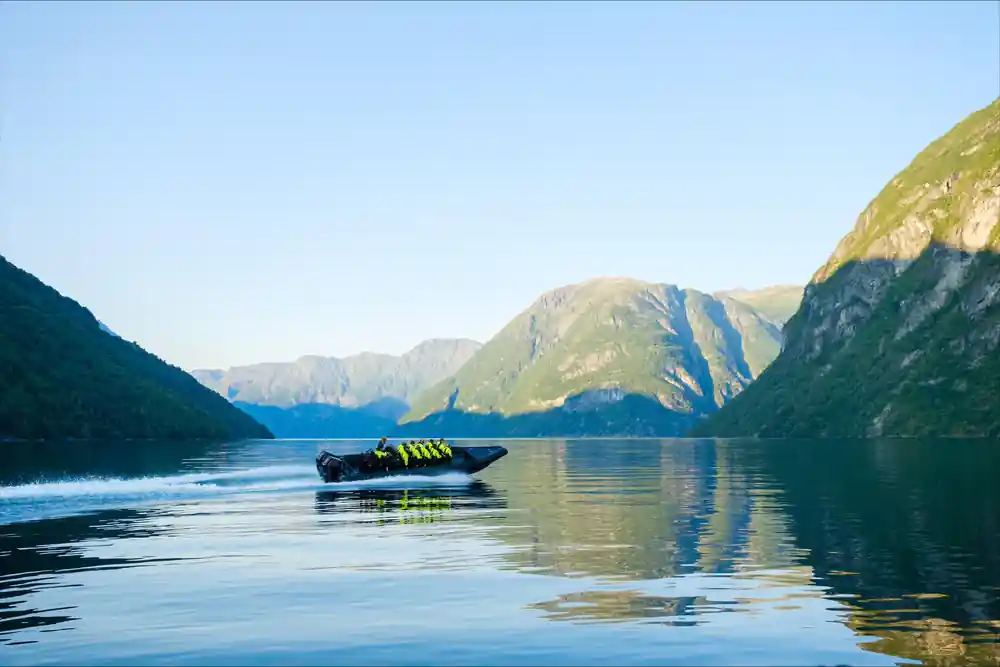
Fjord water, steep green walls, and a boat with somewhere to be.
Taking a car, or not
The ferry carries cars and foot passengers, so you have a genuine choice. With a car you keep your own timetable for the rest of the day and you can stop wherever the view opens up, which on this coast happens constantly. Without a car you travel light, board with the cyclists, and spend the crossing on deck with your hands free and the wind in your face.
Drivers should think about size. Fjord roads are narrow, tunnels are frequent and valley climbs are steep, and a large vehicle turns a pleasant drive into hard work. Cyclists and motorbikes are common on these sailings and usually load early, so if you are riding, be at the quay in good time and keep clear of the ramps.
Bikes and prams travel on the vehicle deck, and the crossing is short enough that nobody settles in for long. Whichever way you cross, get out of the car if the weather allows: the deck gives you the view, the wind and the true scale of the fjord, and those few minutes on the water are often what people remember about the journey.
What the drive shows you
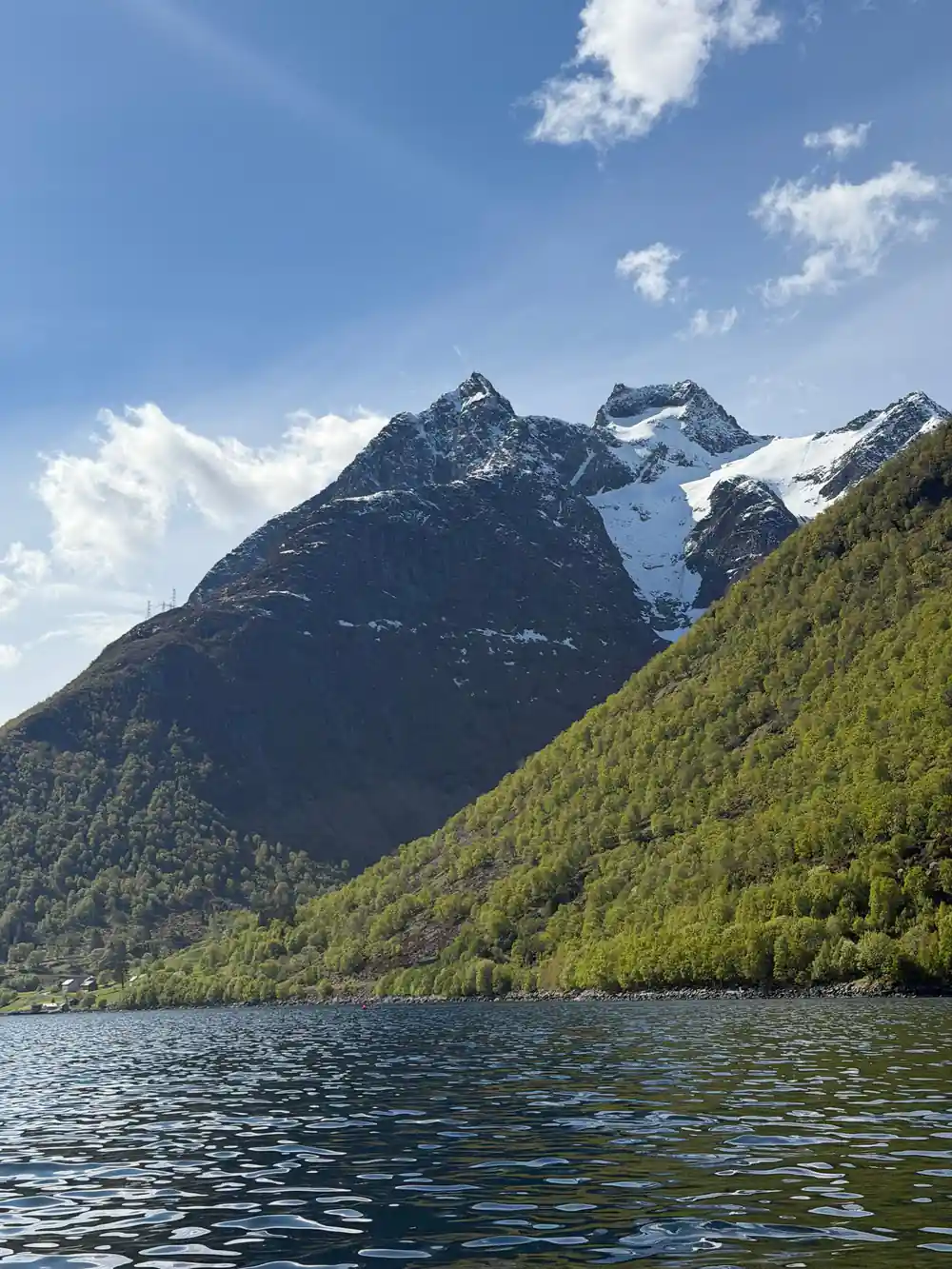
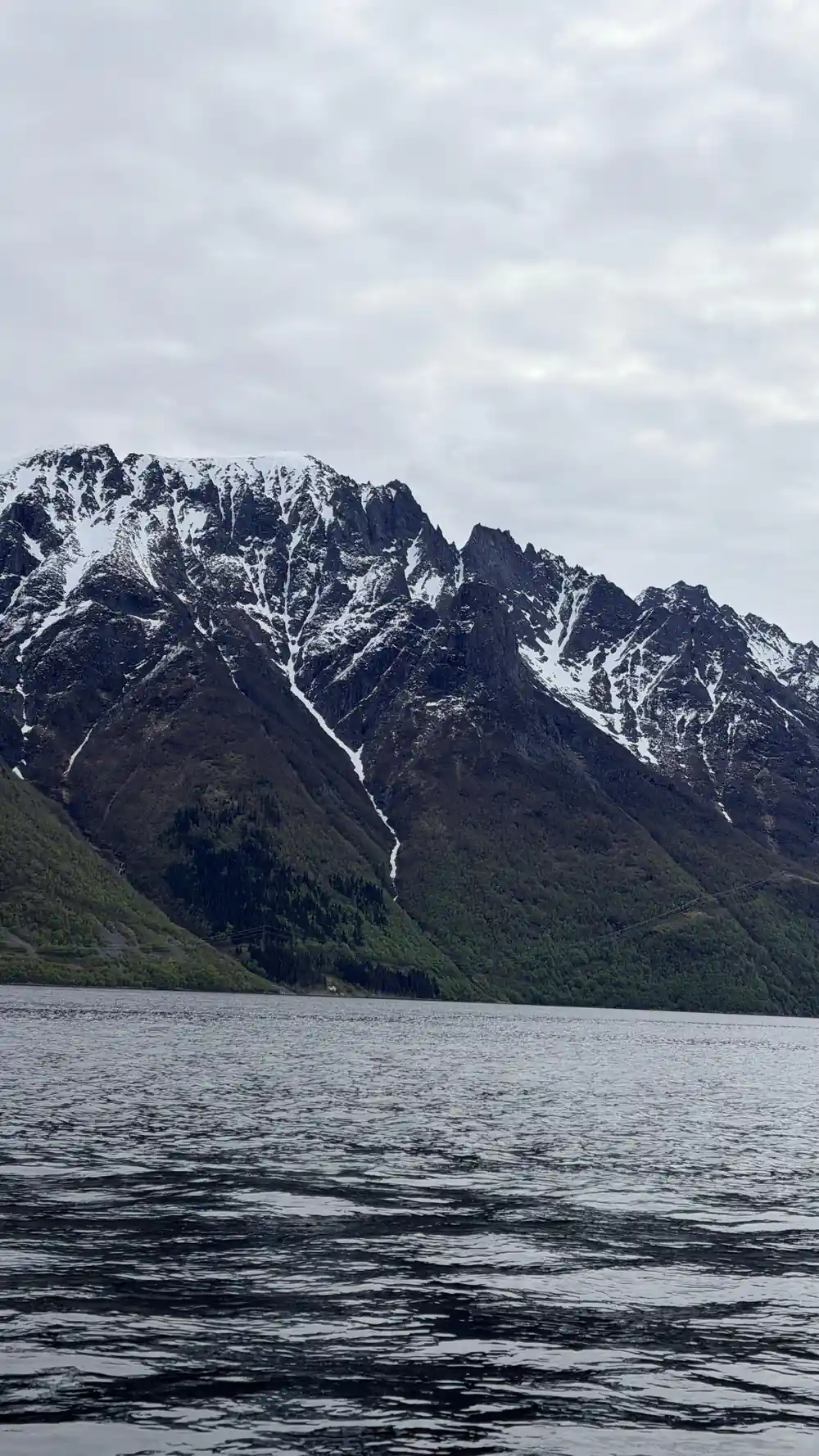
On the Sykkylven side, the road climbs through a wide valley of farmland and dark forest, with mountains pressing in on both sides as you head towards Stranda and the turn-offs for the Hjørundfjord. This is the Sunnmøre landscape at its most agricultural and its most vertical at once: tidy fields at the bottom, bare rock and late snow above them.
Drive towards Ålesund instead and the road tips you out among islands and bridges, in a town spread across seven large islands.[6] Coming in over the water, Ålesund appears as a low line of turrets and gables. The climb to the Aksla viewpoint is made on a stone staircase of 418 steps, with the islands and the fjord laid out below.[7]
The centre rewards a slow walk. Ålesund was rebuilt after a fire in Jugendstil, the Art Nouveau style of the time, which is why the streets look the way they do, with ornamented facades, towers and a grid that is easy to follow on foot.[8] A coffee by the harbour and an hour of wandering is a good way to finish a driving day.
from US$157
The RIB Ålesund - Fjordsafari Hjørundfjord runs 105 minutes with a live English-speaking guide.[1]
How it compares with going by boat
The ferry is transport; a fjord cruise or a RIB safari is the day out. The two work well together. Cross with the car, then join a boat at the other end, or base yourself in Ålesund and step straight from the town quay onto the water.
Round trips from Ålesund reach deep into the fjords. A fjord tour round trip from Ålesund takes 5 hours and calls at the Hjørundfjord, Øye and back to town, from US$115.[9] Longer days out exist as well, including a boat and bus tour that crosses the Hjørundfjord and runs on to Geiranger and back, from US$210.[10]
For something faster and much closer to the water, the RIB Ålesund - Fjordsafari Hjørundfjord takes 105 minutes with a live English-speaking guide and is from US$157.[1] The slower Hjørundfjord round trip cruise from Ålesund takes 5 hours and is from US$115.[11] By road, the distance from Ålesund to Geiranger is 67 miles (108 km).[12]
Reaching the fjord independently
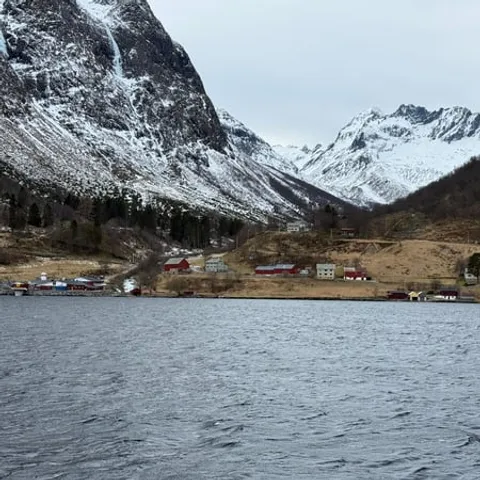
Doing it yourself means the ferry, a car and a map. Cross at Magerholm or Sykkylven, then follow the signs inland for the Hjørundfjord, where Trandal, Sæbø, Urke and Øye sit along the water.[11] Each has a small quay, a handful of houses and a road that climbs steeply away from the shore.
Timetables are the thing to watch. Ferries and fjord boats do not always line up, services thin out outside the main season, and the last sailing of the day arrives earlier than you expect when the light starts to go. Keep a copy of the timetable on your phone and give yourself a fallback plan in case the weather closes a road or a pass.
If you would rather leave the driving to someone else, guided day tours from Ålesund cover the same ground with a local at the wheel, and they usually build in stopping points for photographs and a leg stretch. That way the fjord gets your full attention instead of half of it, and the roads at the end of the day are somebody else's problem.
Winter operation
The coast keeps moving through the winter. Ferries are part of everyday life here and hold to a timetable through the dark months, though sailings and roads can change when the weather turns. Daylight is short, roads are wet or icy, and a mountain pass can close for a day with little warning, so plans need some give in them.
Rain is a fact of life on this coast. Ålesund receives 1730 millimetres of precipitation a year, ranging from 85 millimetres in May to 210 millimetres in December.[2] A waterproof outer layer and shoes with grip matter more than a thick coat, and a spare pair of gloves in the bag is never wasted.
Winter is also a fine season for fjord water, if you accept the low light. A winter fjord cruise from Ålesund to Geirangerfjord takes 9 hours and is from US$325.[13] Check ferry, road and tour status on the morning of travel, keep the day flexible, and take the crossing as it comes.
Ålesund precipitation through the year
Precipitation totals for Ålesund, from the yearly figure and the driest and wettest months.[2]
Fjord tours from Ålesund: from-prices in US dollars
From-prices in US dollars for these tour listings.[1][4][5][9] Child prices are not published for them.
When to plan the crossing and the fjord
Plan the crossing
Check the timetable
Look up sailing times for your date before you plan anything else, and note the last departure you could realistically catch.
Decide car or foot
Drivers keep the day flexible; foot passengers travel light. Both load from the same quay, so pick what suits the rest of your route.
Layer for the deck
The wind on the water is colder than the town, and rain arrives quickly. A waterproof shell and a warm mid layer make standing outside a pleasure.
Leave slack in the day
Ferry queues, tunnels and slow fjord roads eat up time. Build in a buffer so a missed sailing does not wreck a boat trip booked for later.
Book the water time
If you want the Hjørundfjord from sea level, book the RIB safari or a fjord cruise for the day you arrive, before the ferry day fills up.
See the Hjørundfjord from the water on a RIB safari
from US$157Reserve now & pay later