









What the Alesund RIB boat tour is
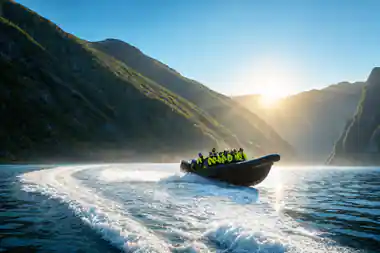
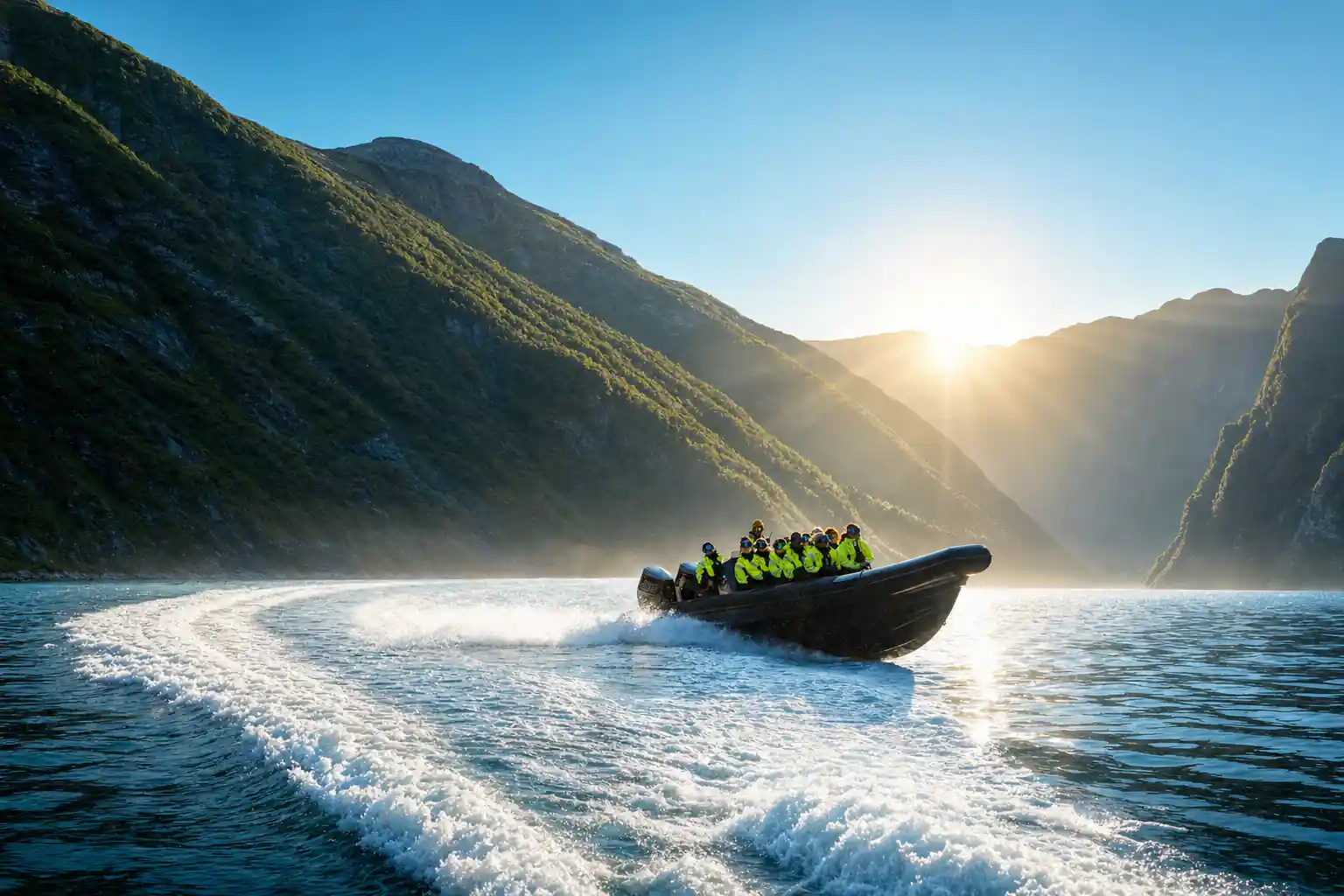
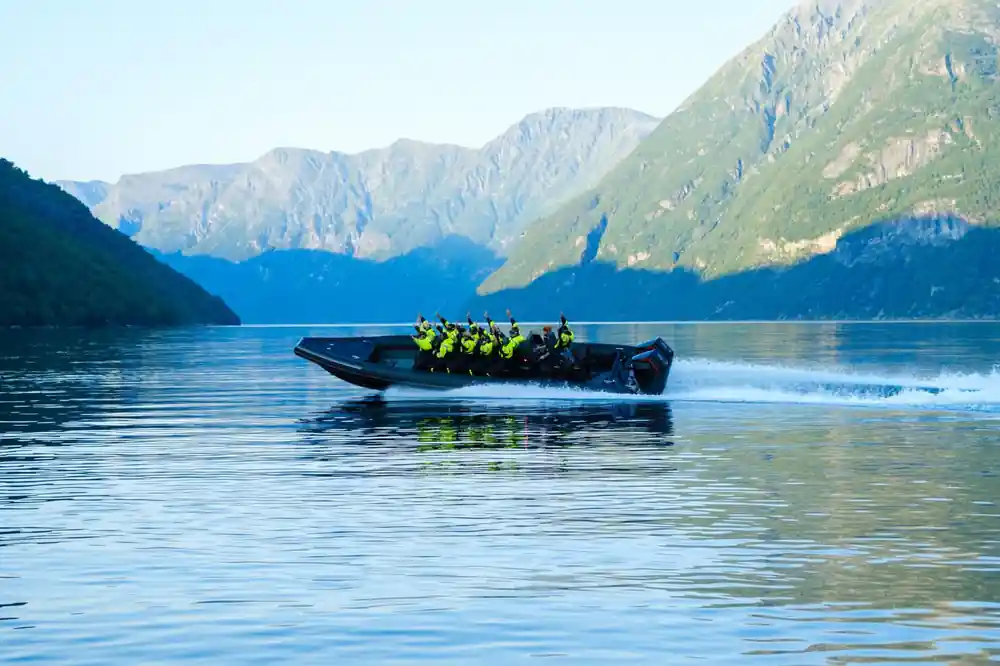
This is a fast open-boat trip that leaves the Alesund waterfront, crosses the sounds between the islands the town is built on, and runs into the Hjorundfjord under the Sunnmore Alps before turning for home. It takes one hour and forty-five minutes end to end, and almost all of that is spent moving or looking rather than waiting.
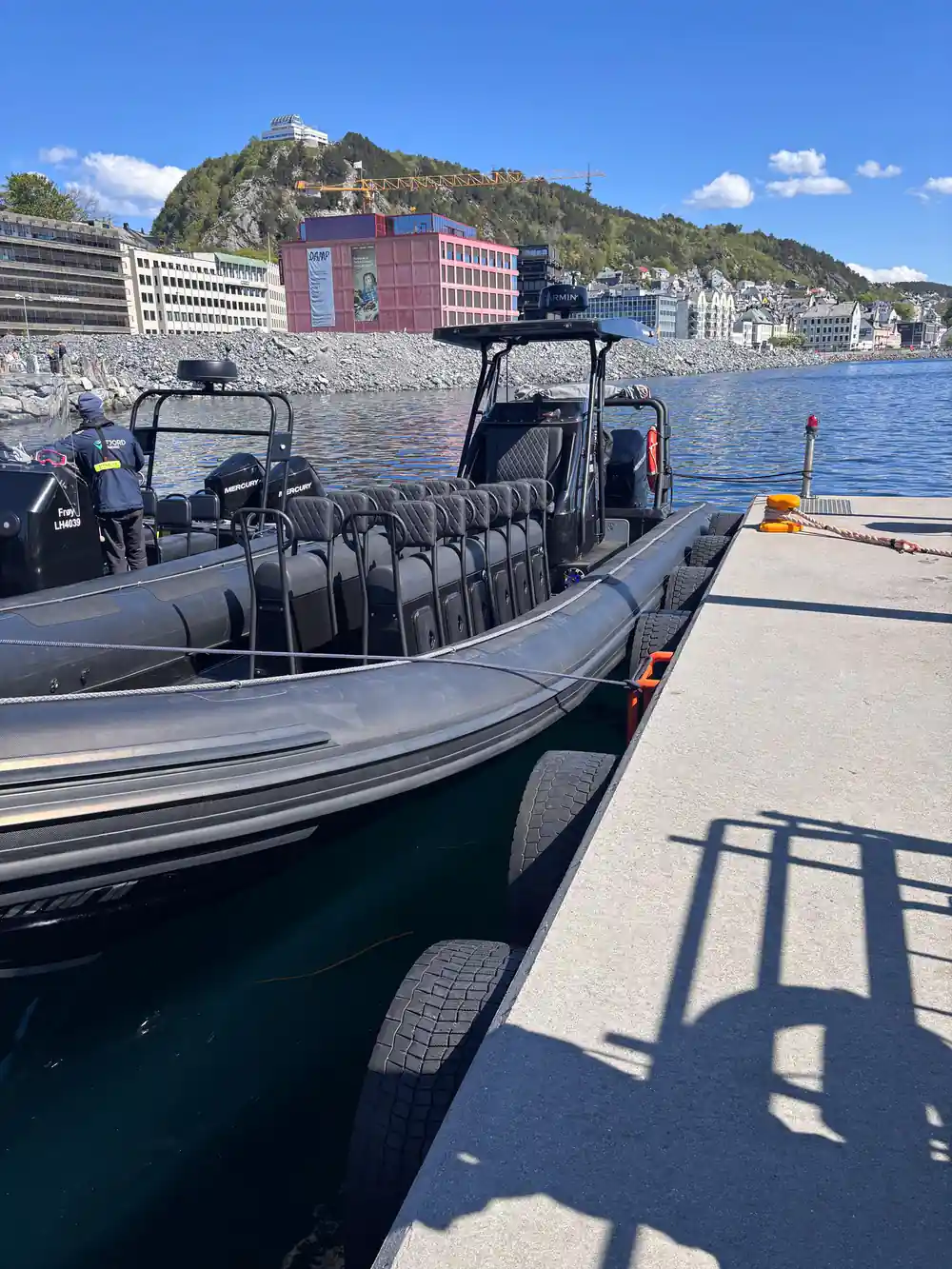
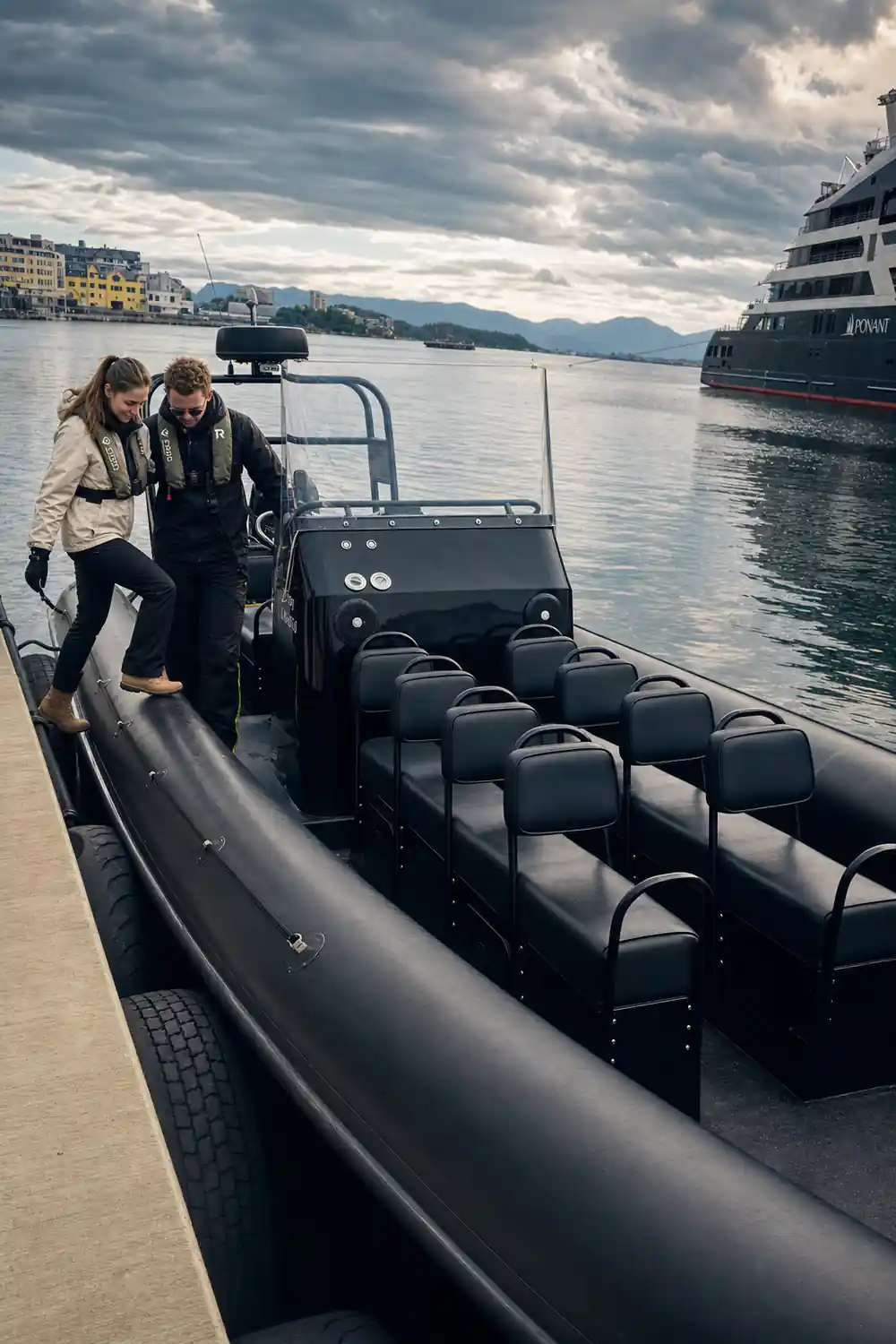
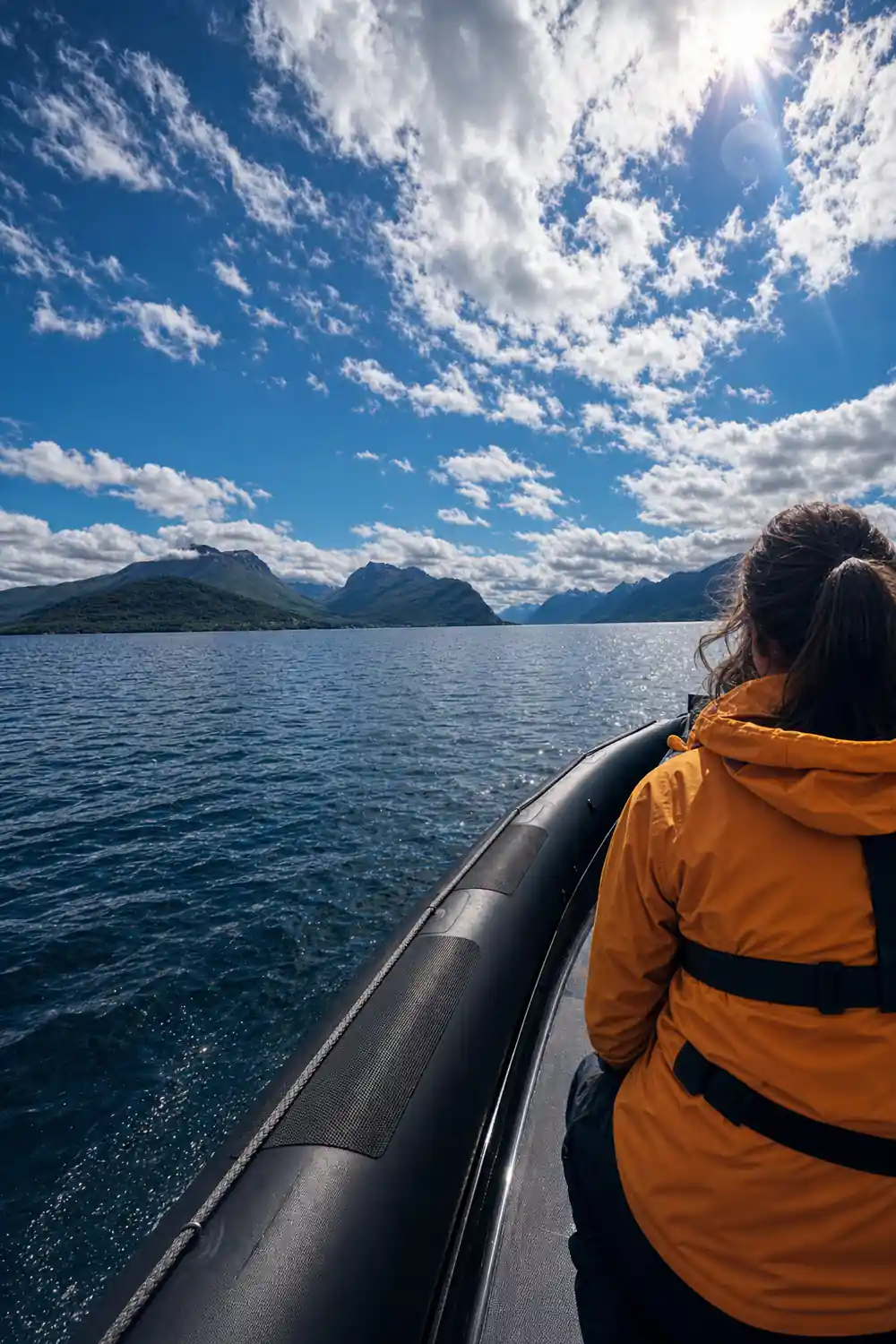
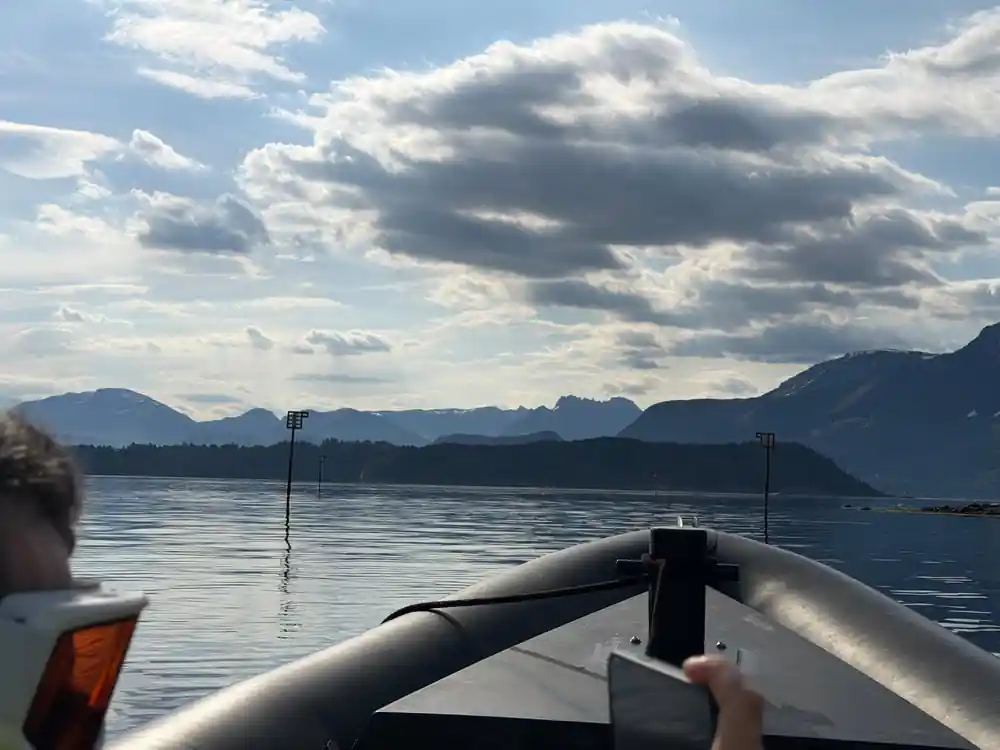
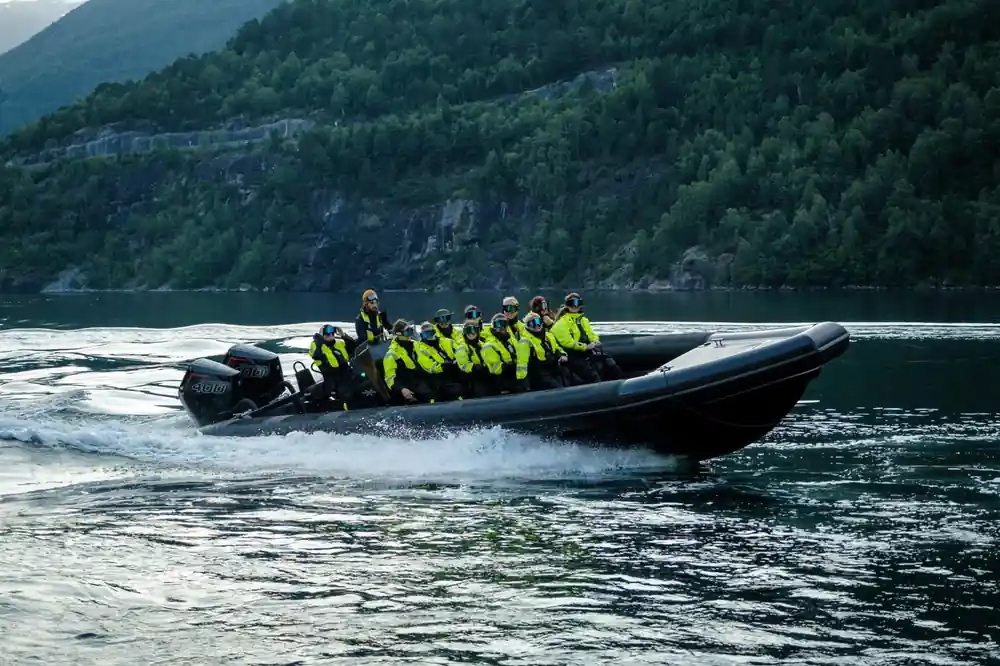
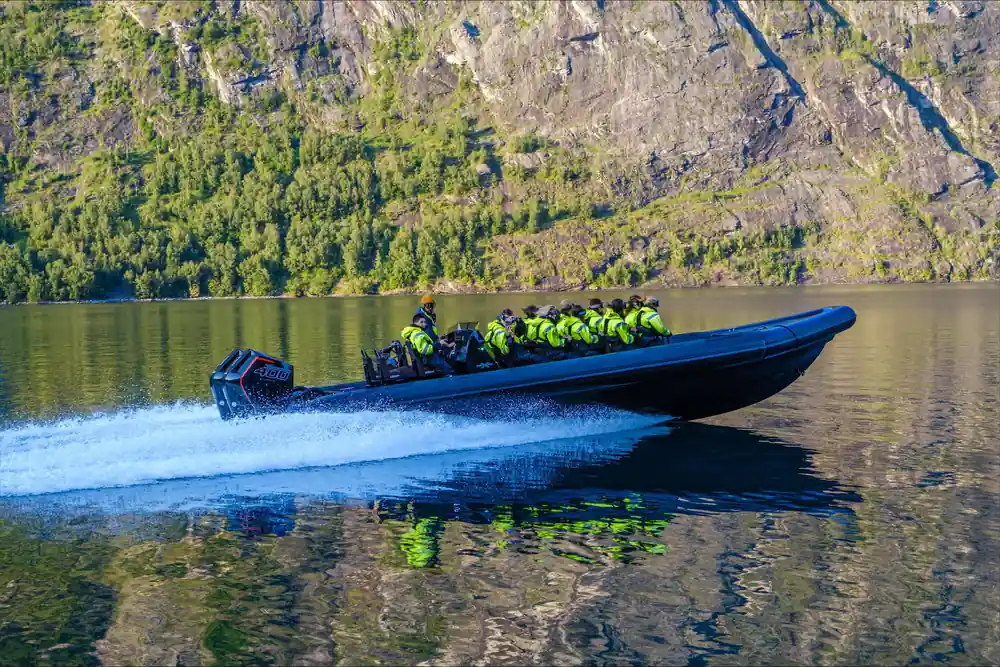
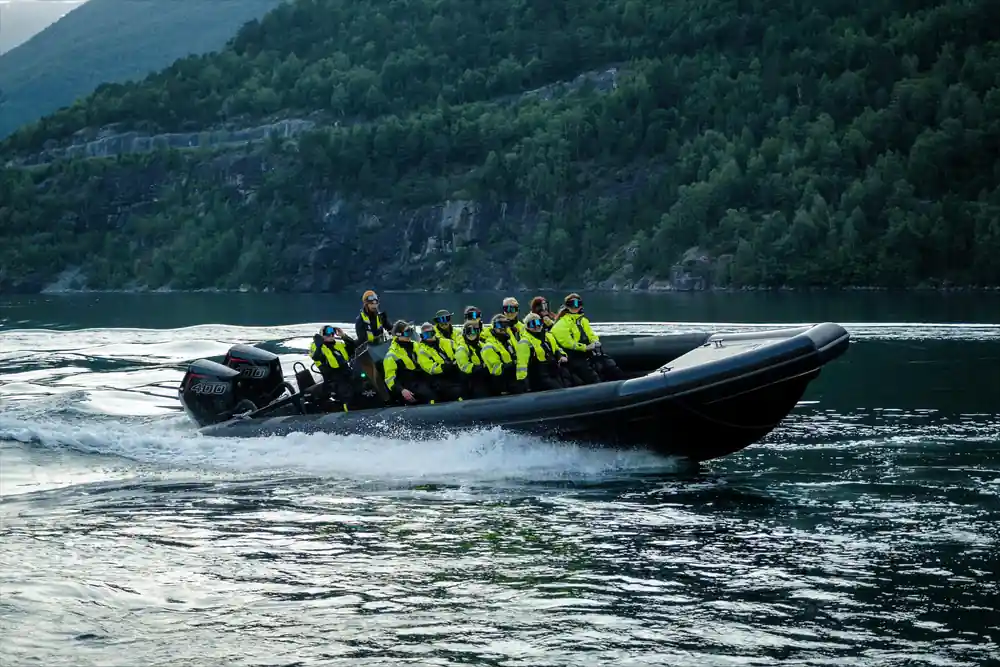
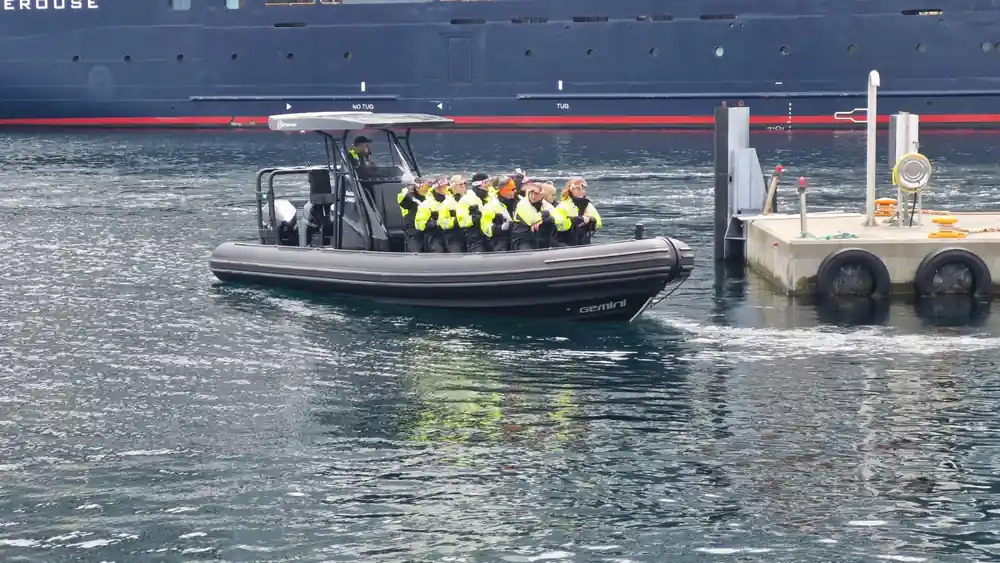
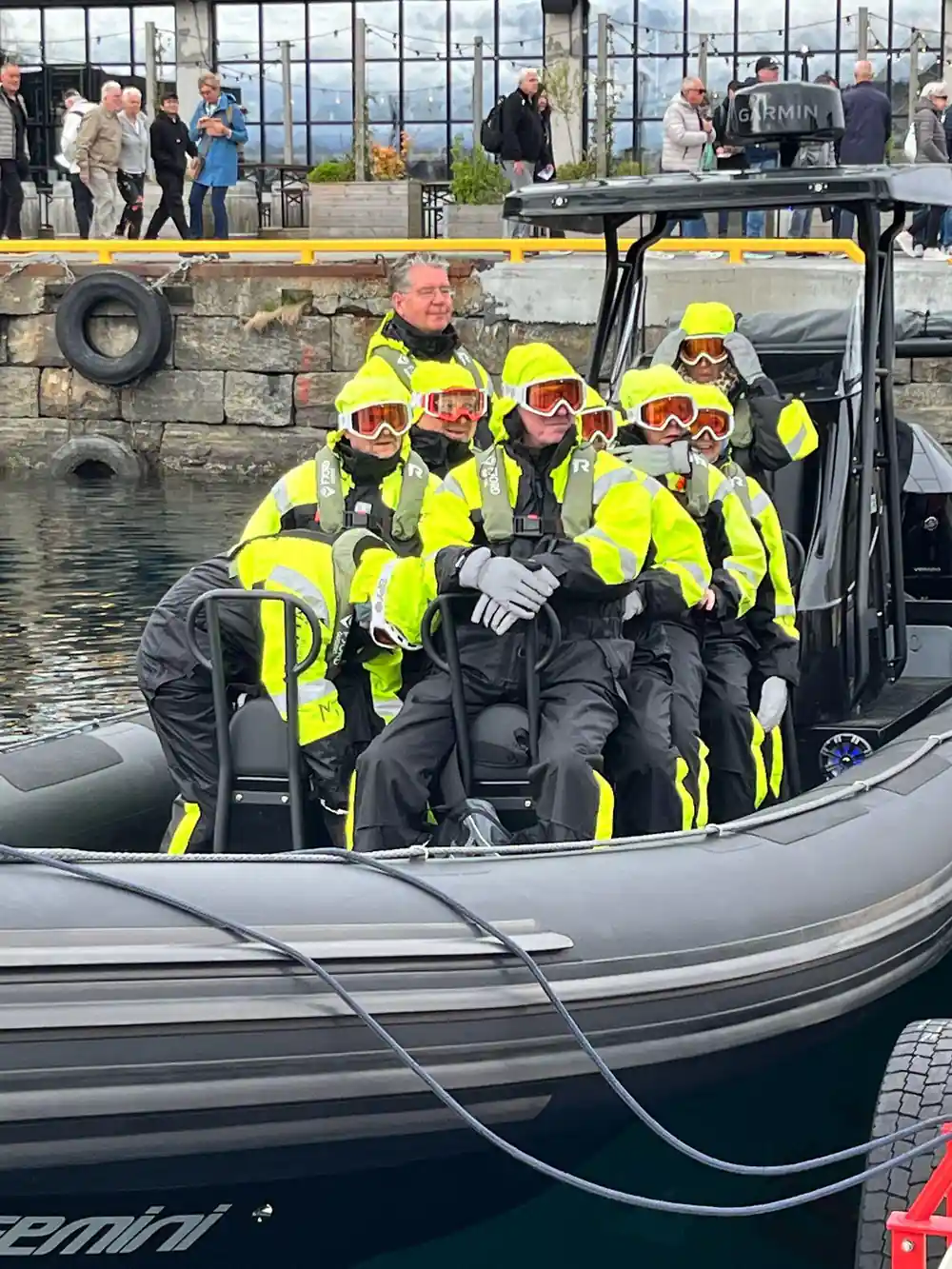
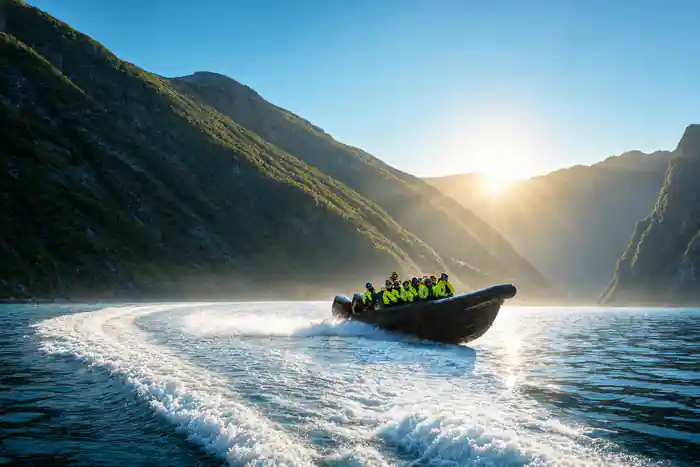
The boat is a rigid inflatable: a solid hull with inflatable tubes around the top of it. That combination is why the trip exists in this form. It has the speed to reach a fjord and come back inside a short window, and the shallow draught and soft edge to go in close under rock that a large sightseeing vessel keeps well away from.
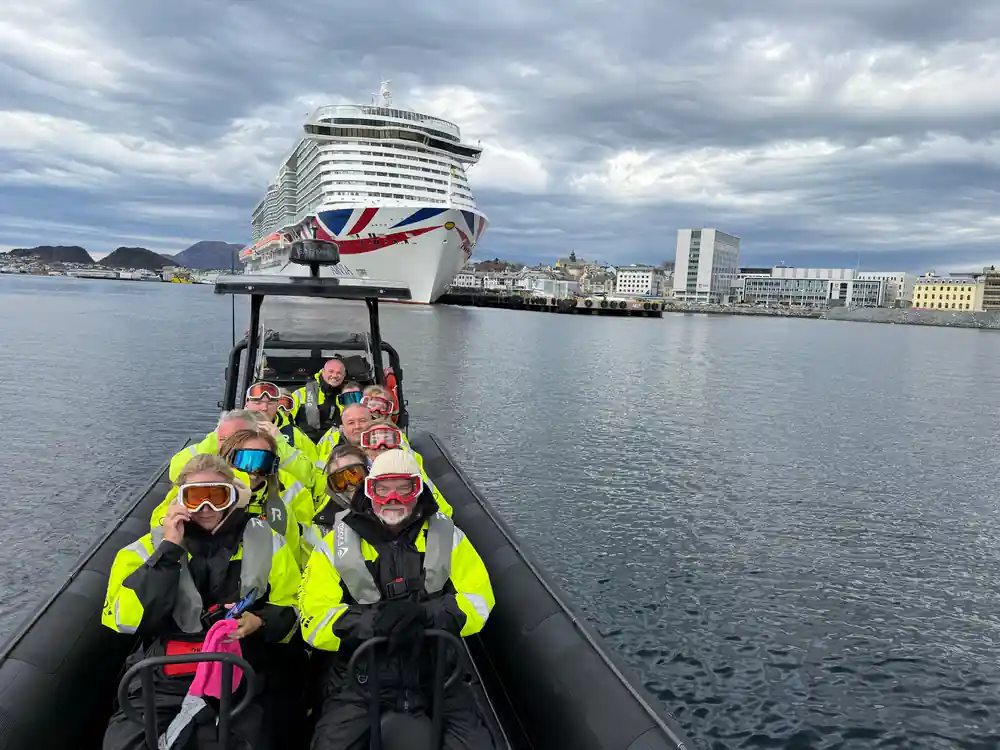
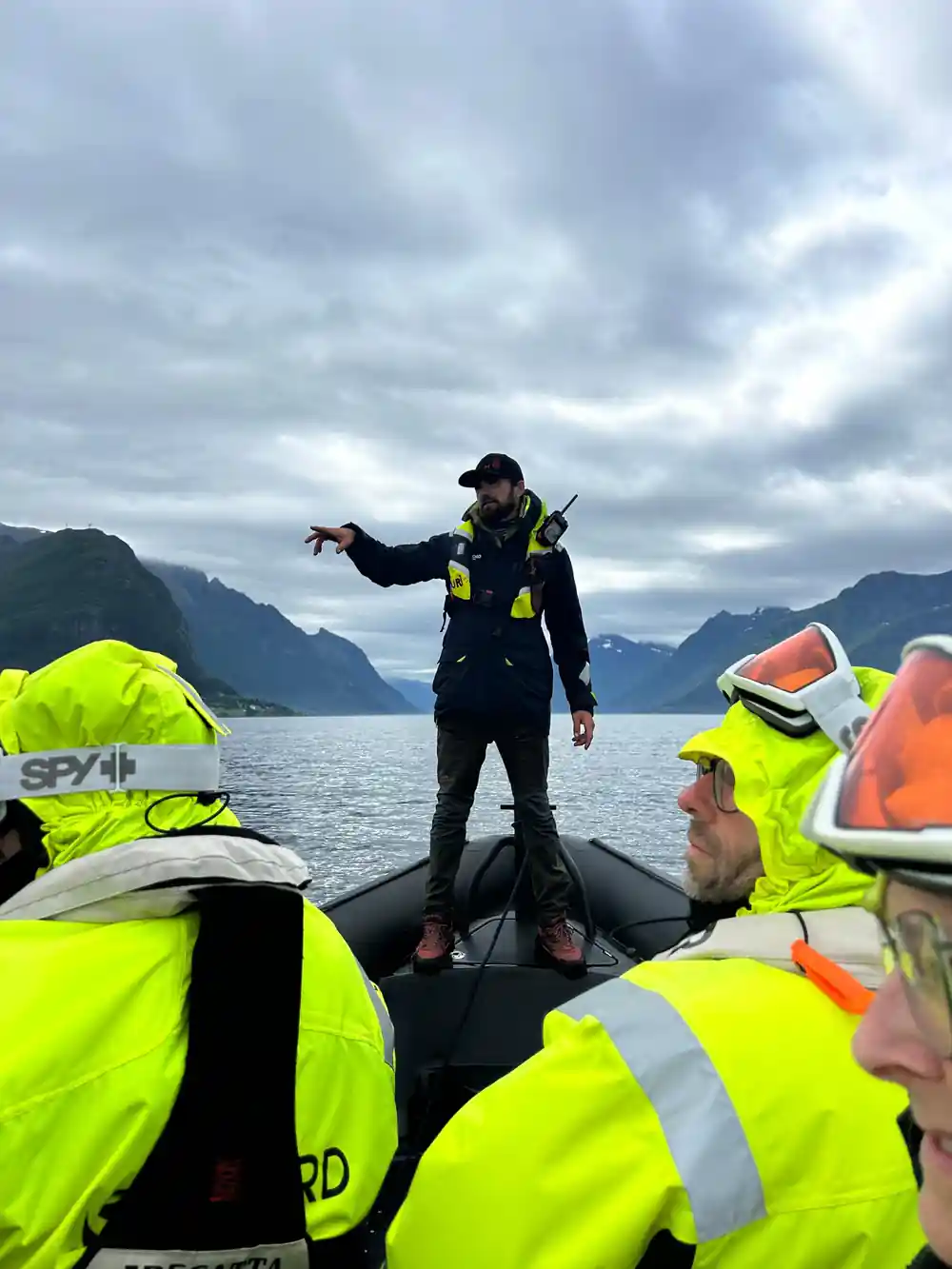
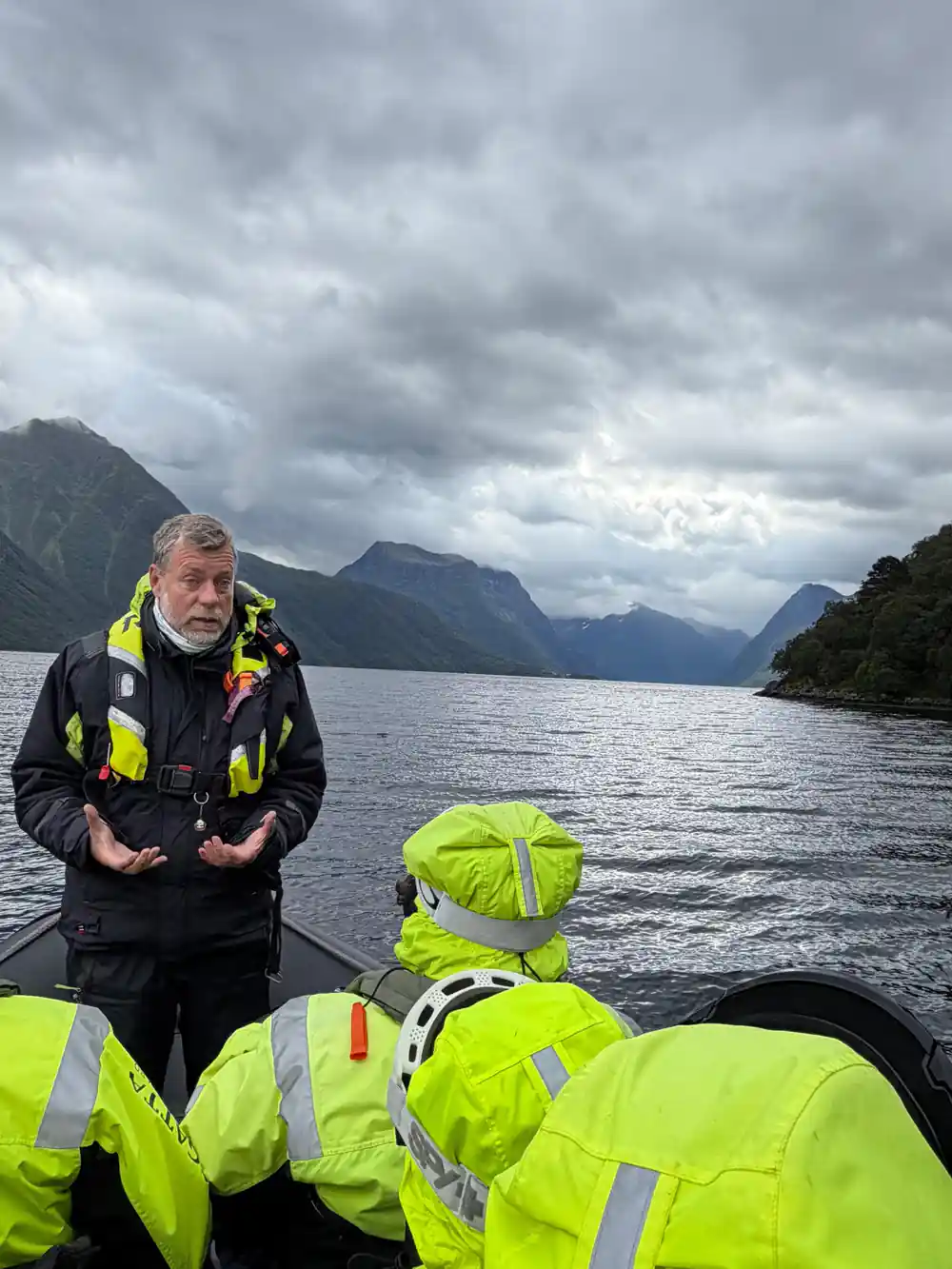
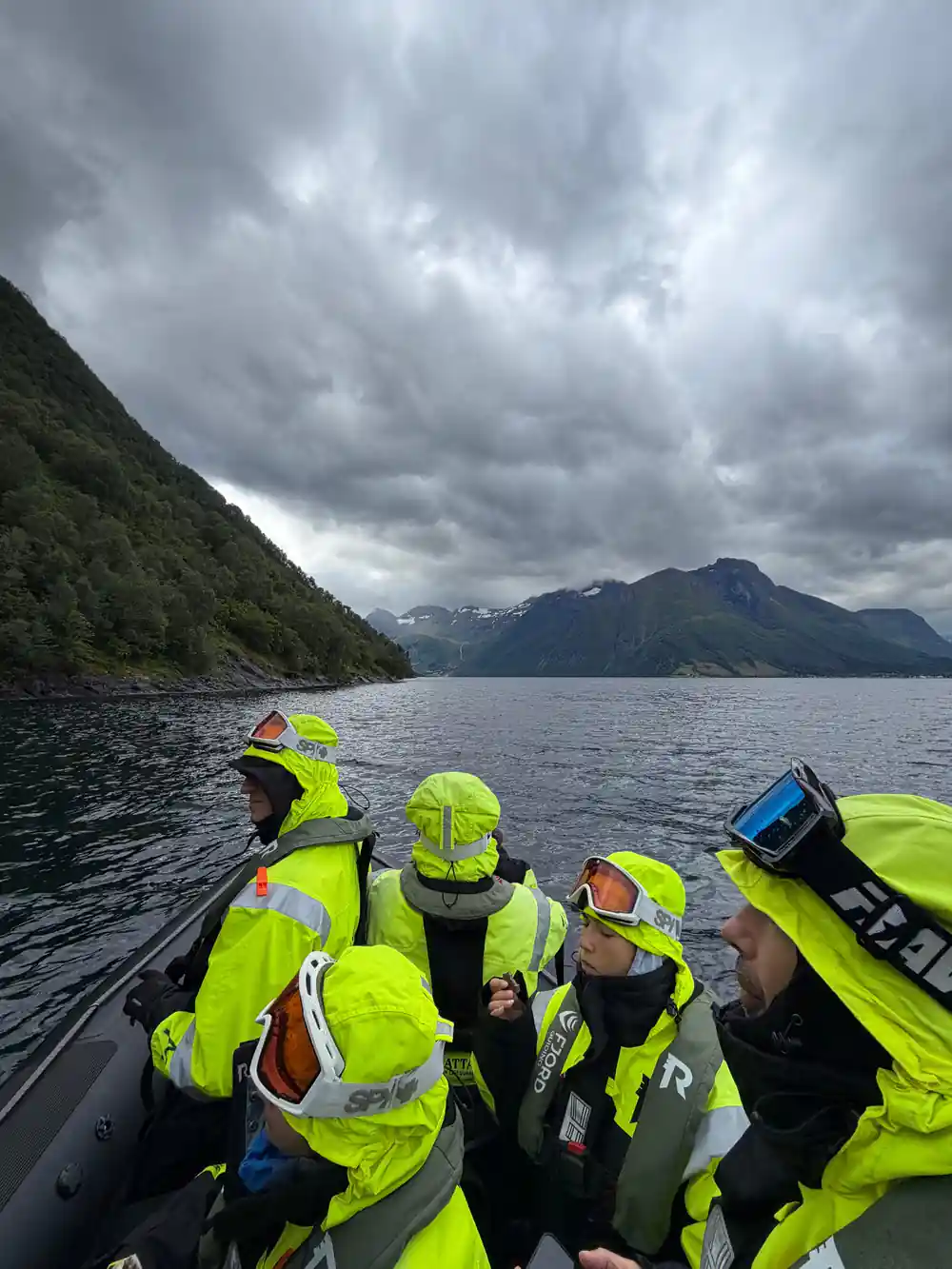
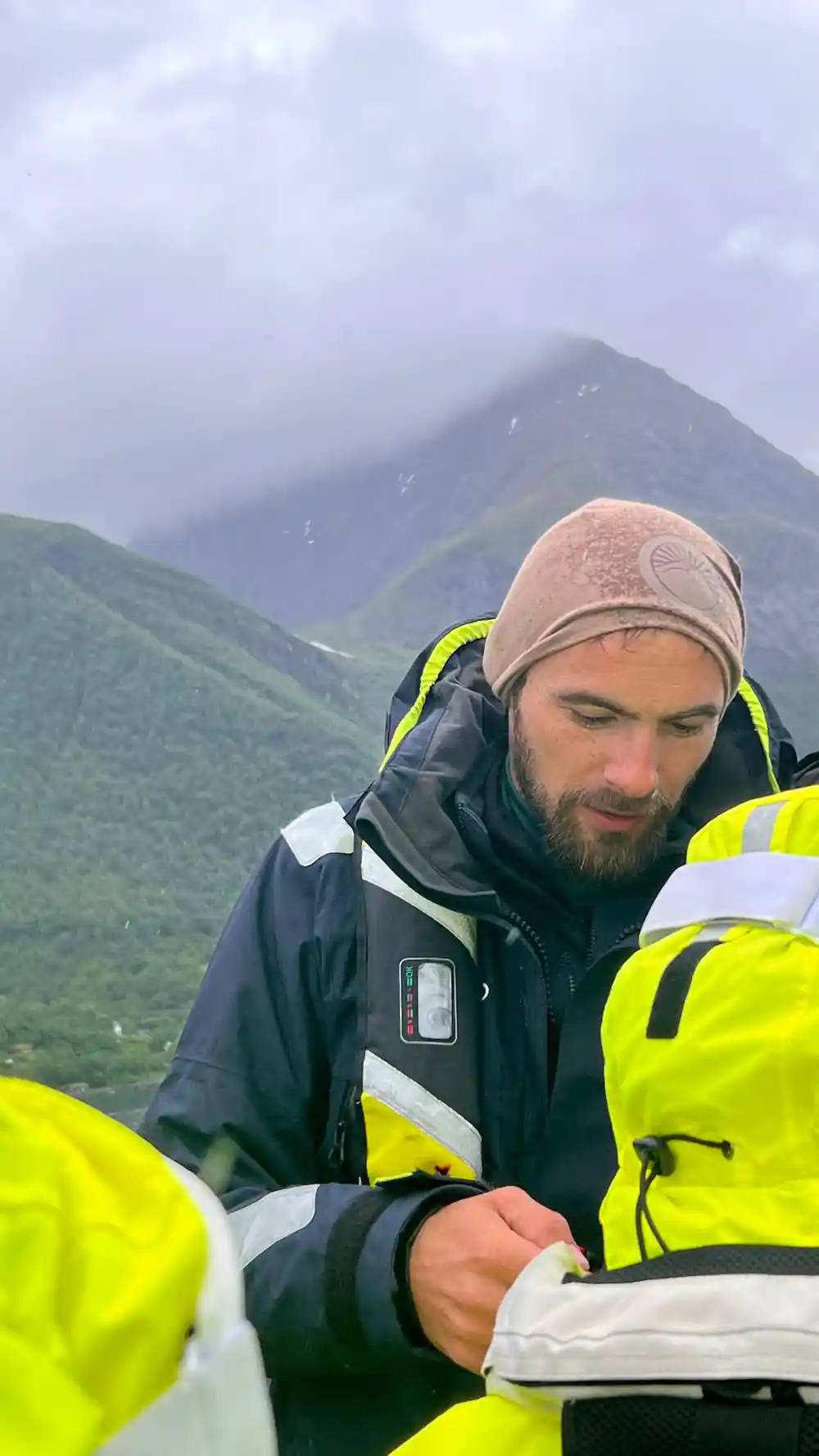
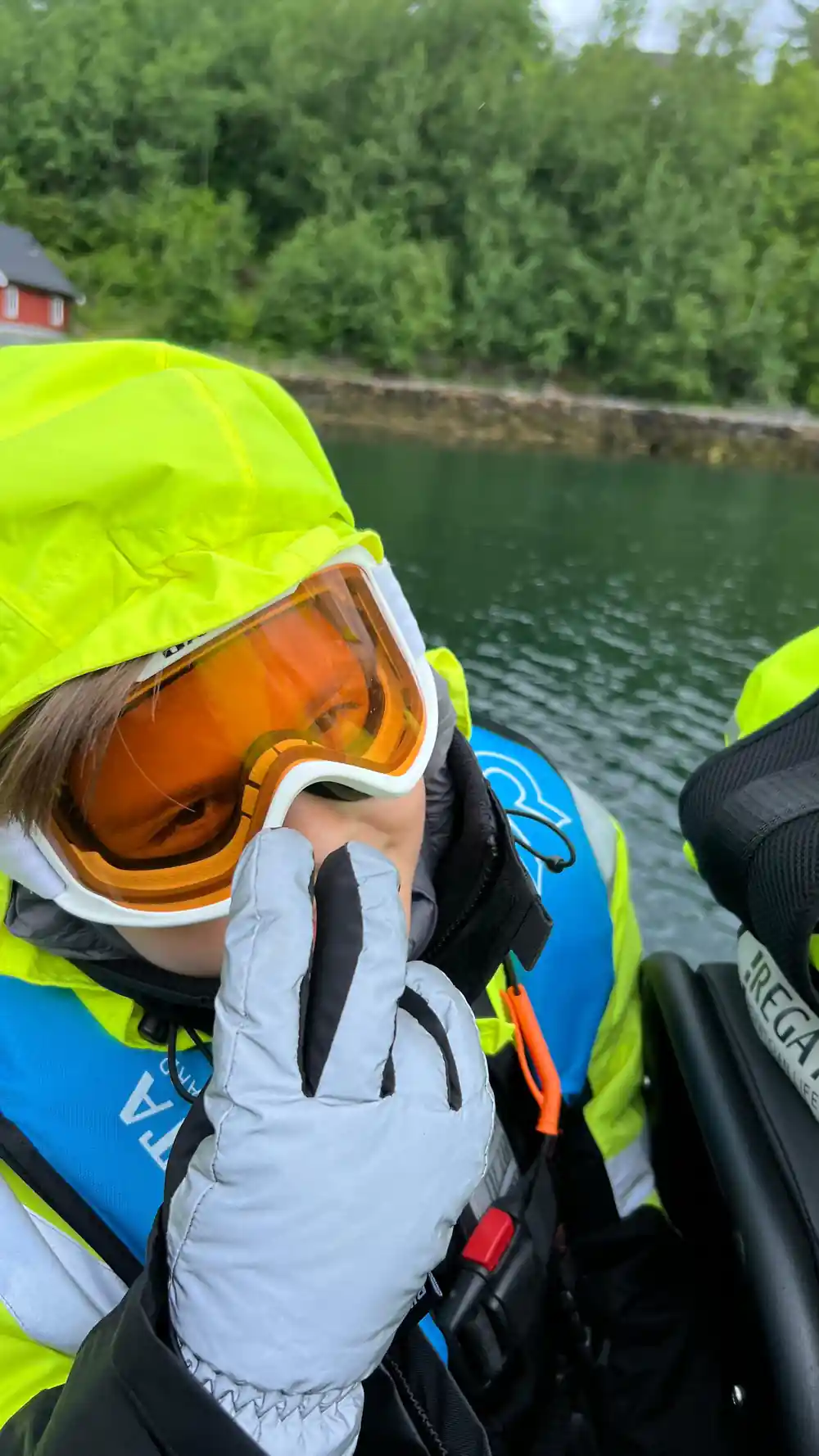
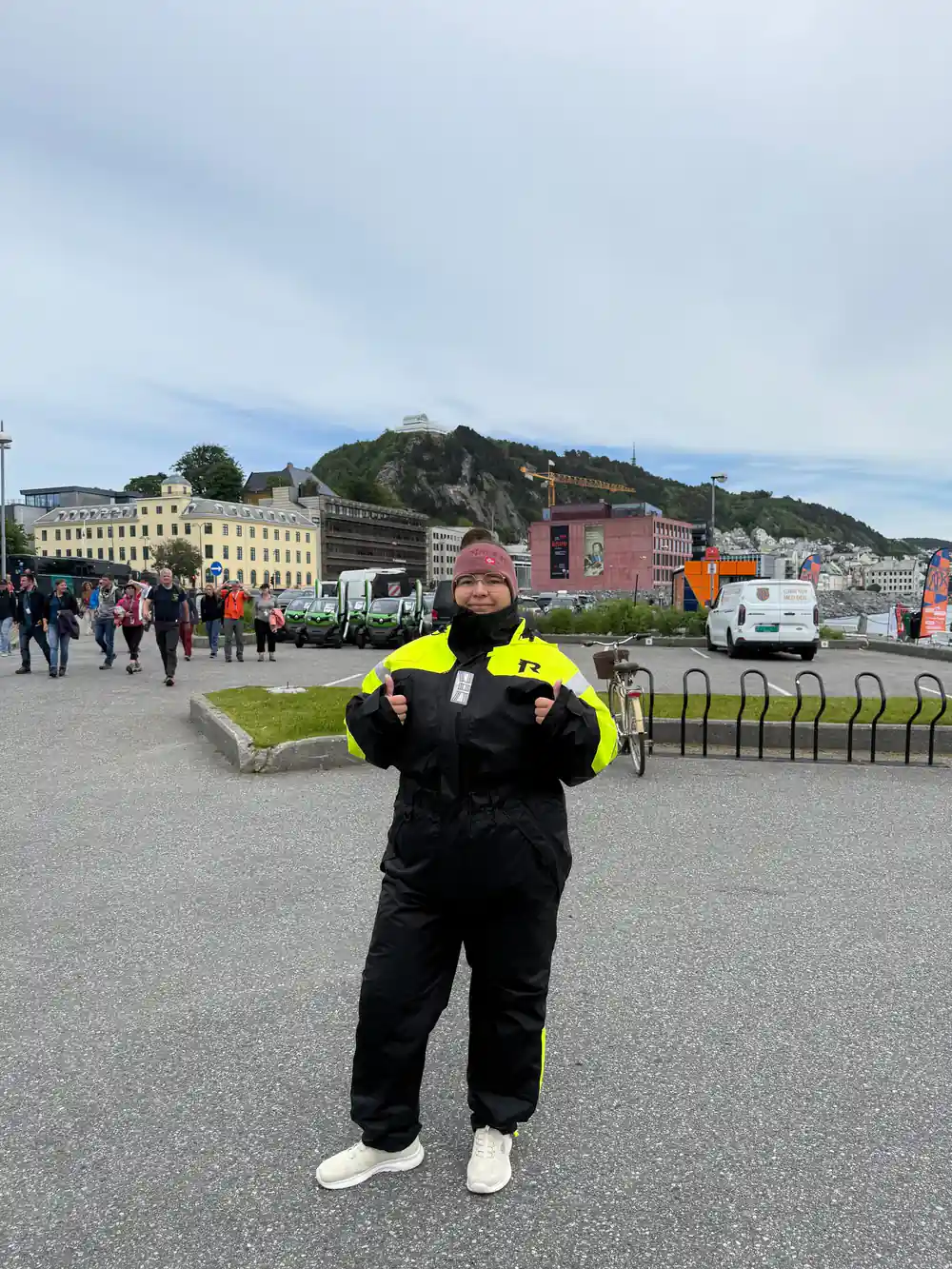
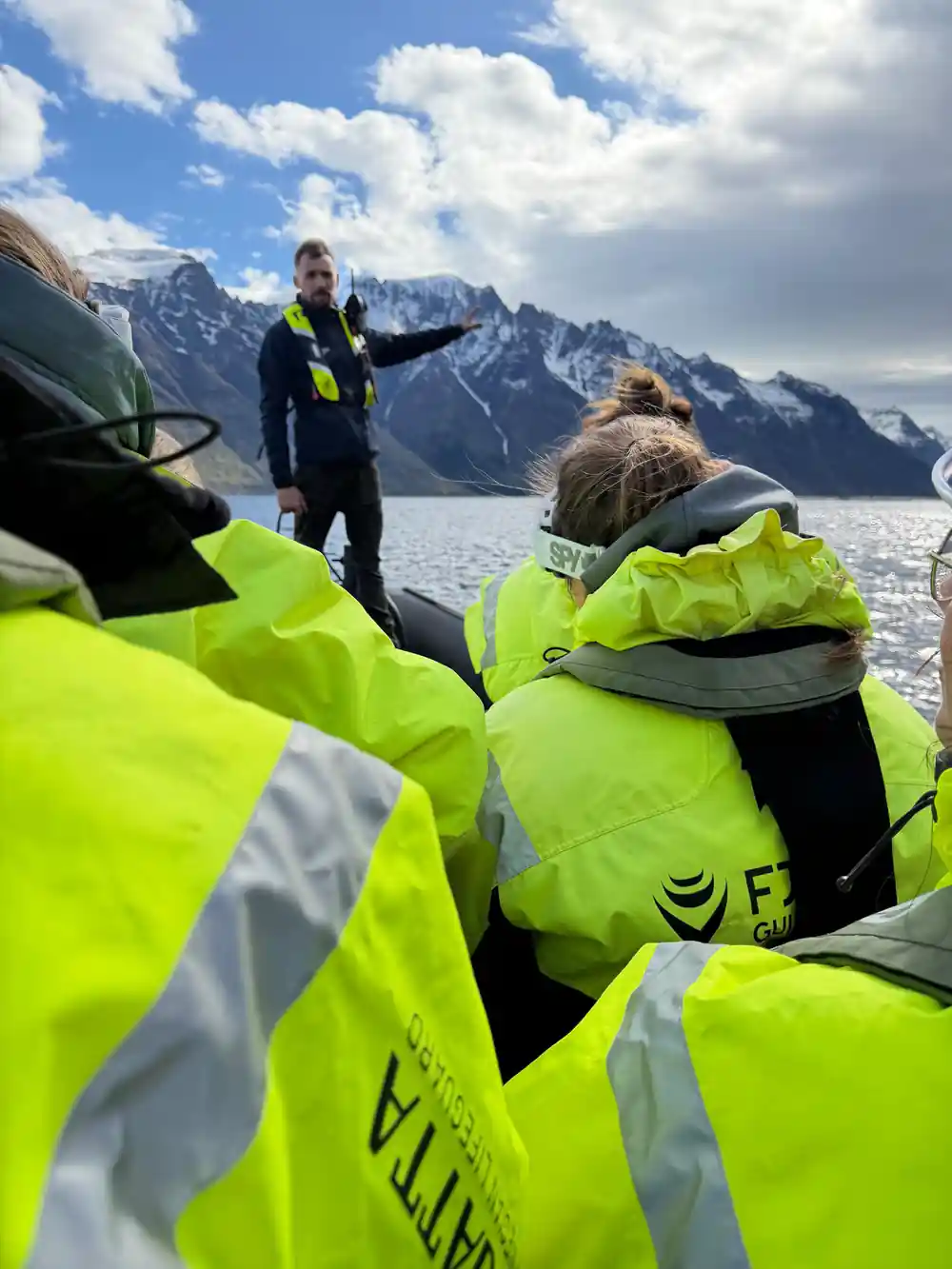
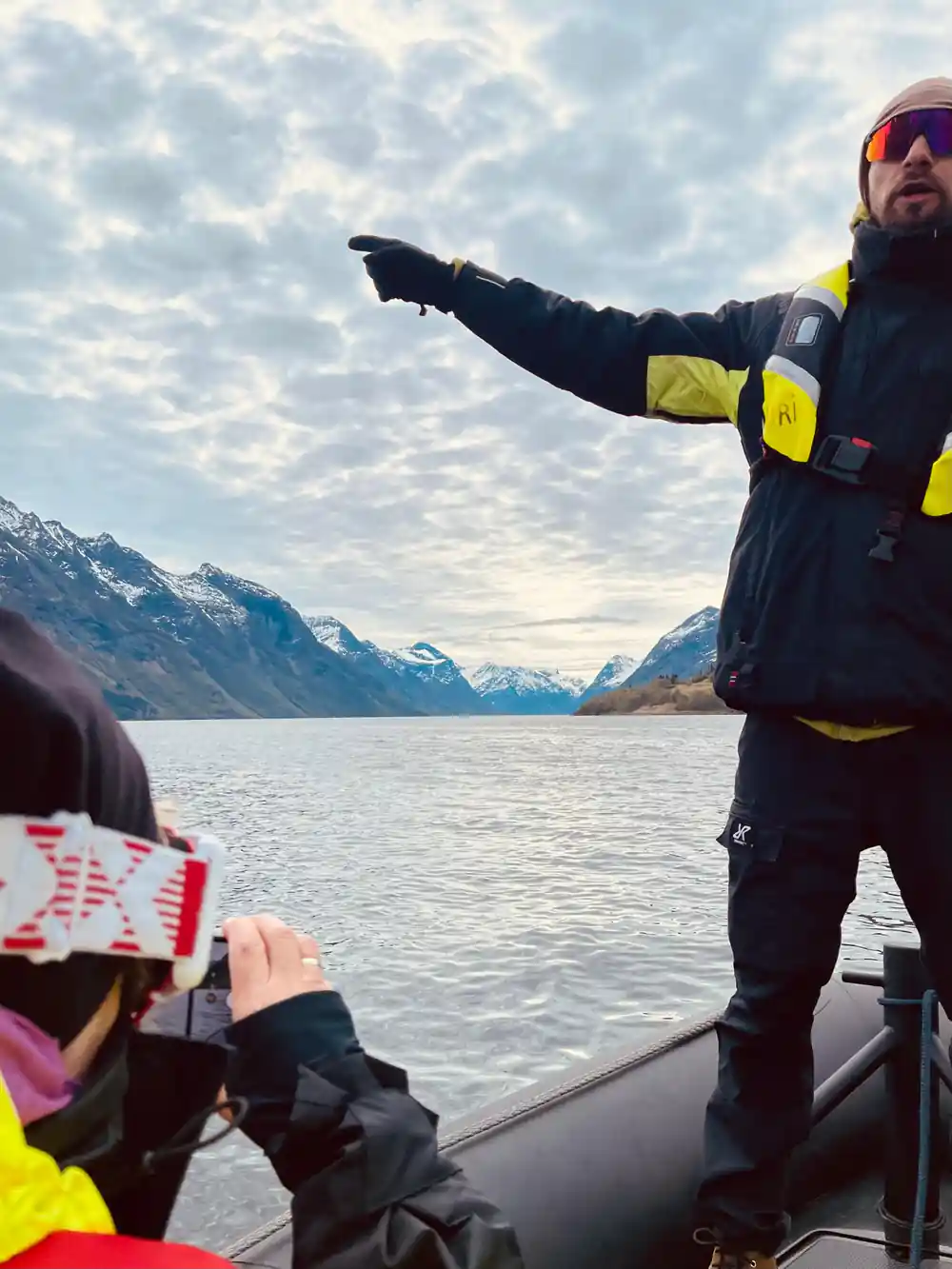
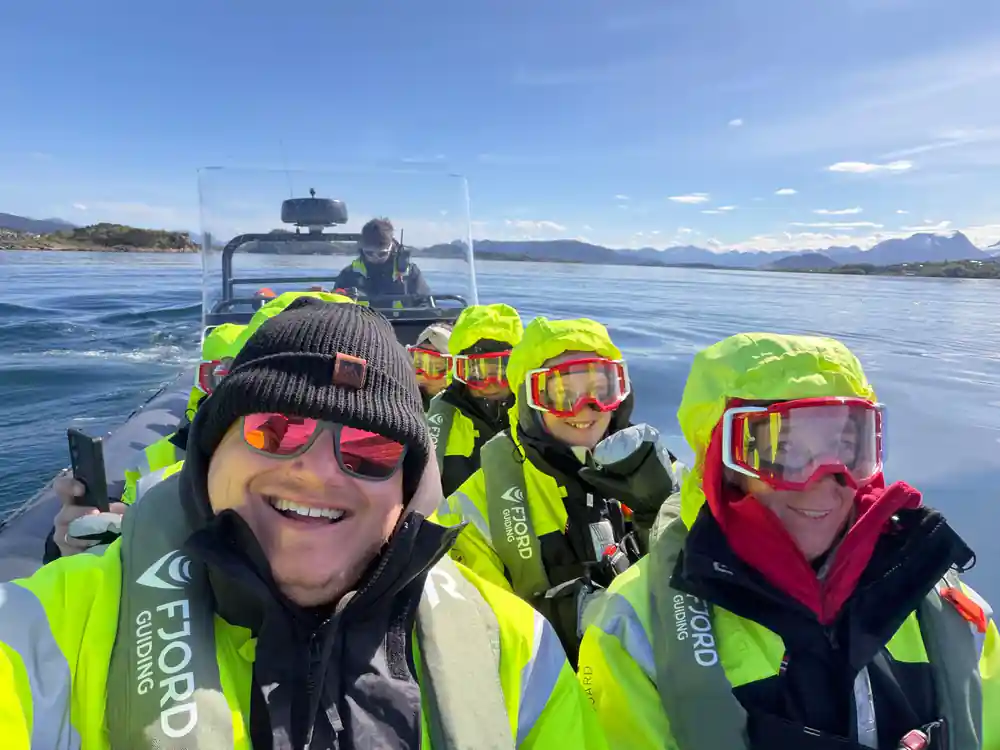
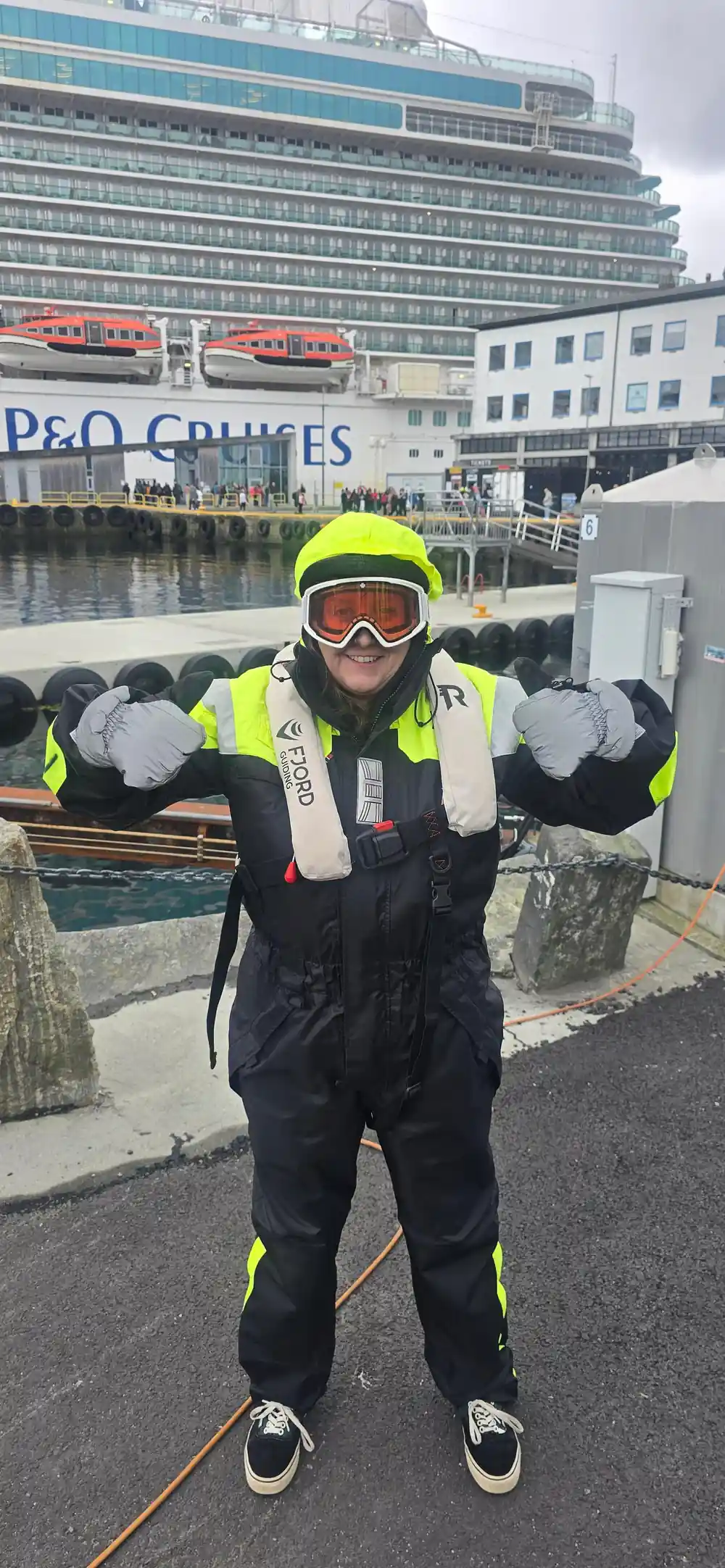
Everyone is issued a full flotation suit, a life jacket and safety gear before boarding. That is not a formality. On an open boat at speed in Norway, the difference between a good trip and a cold one is entirely down to what you are wearing, and the operator solves that rather than leaving it to you.
The boat, and why it matters here
Most fjord sightseeing in Norway happens on large, enclosed, comfortable vessels with a cafe and a window seat. They are a fine way to see a fjord and they see it from a fixed distance, on a fixed line, at a fixed speed. Everything about this trip is the opposite of that.
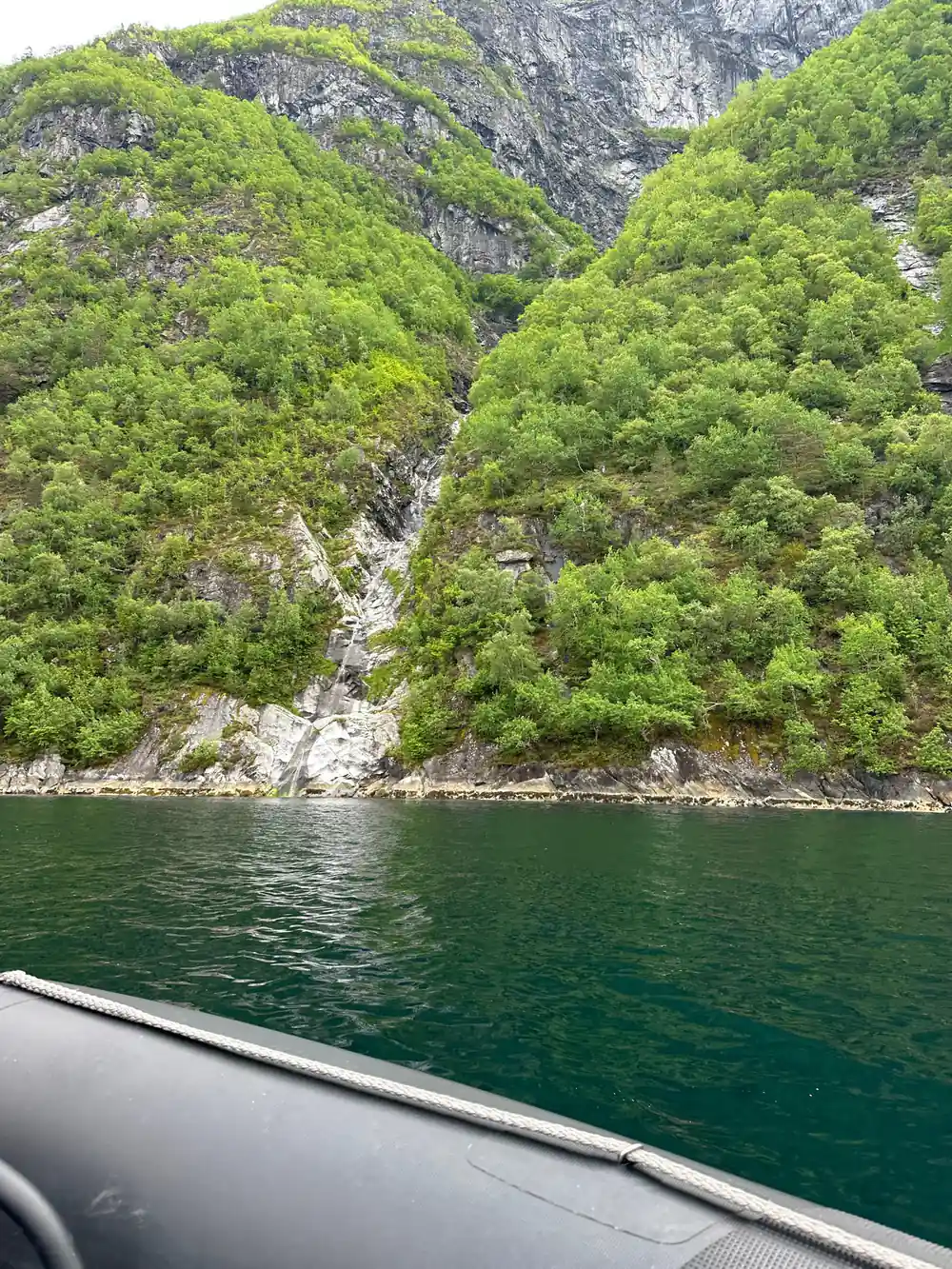
You sit outside, low to the water, in the weather. The engine is loud when it is working and then it is not there at all. The skipper can decide, in the moment, to stop for something, to run in under a waterfall, or to swing across for a better angle on a ridge, because the boat can do those things and a hundred-metre ship cannot.
It is also short. One hour forty-five is not a compromise version of a day cruise; it is a different product. You are not paying for a long day, you are paying for access and speed in a small window, which is exactly what somebody with a few hours in port actually needs.
Where it goes
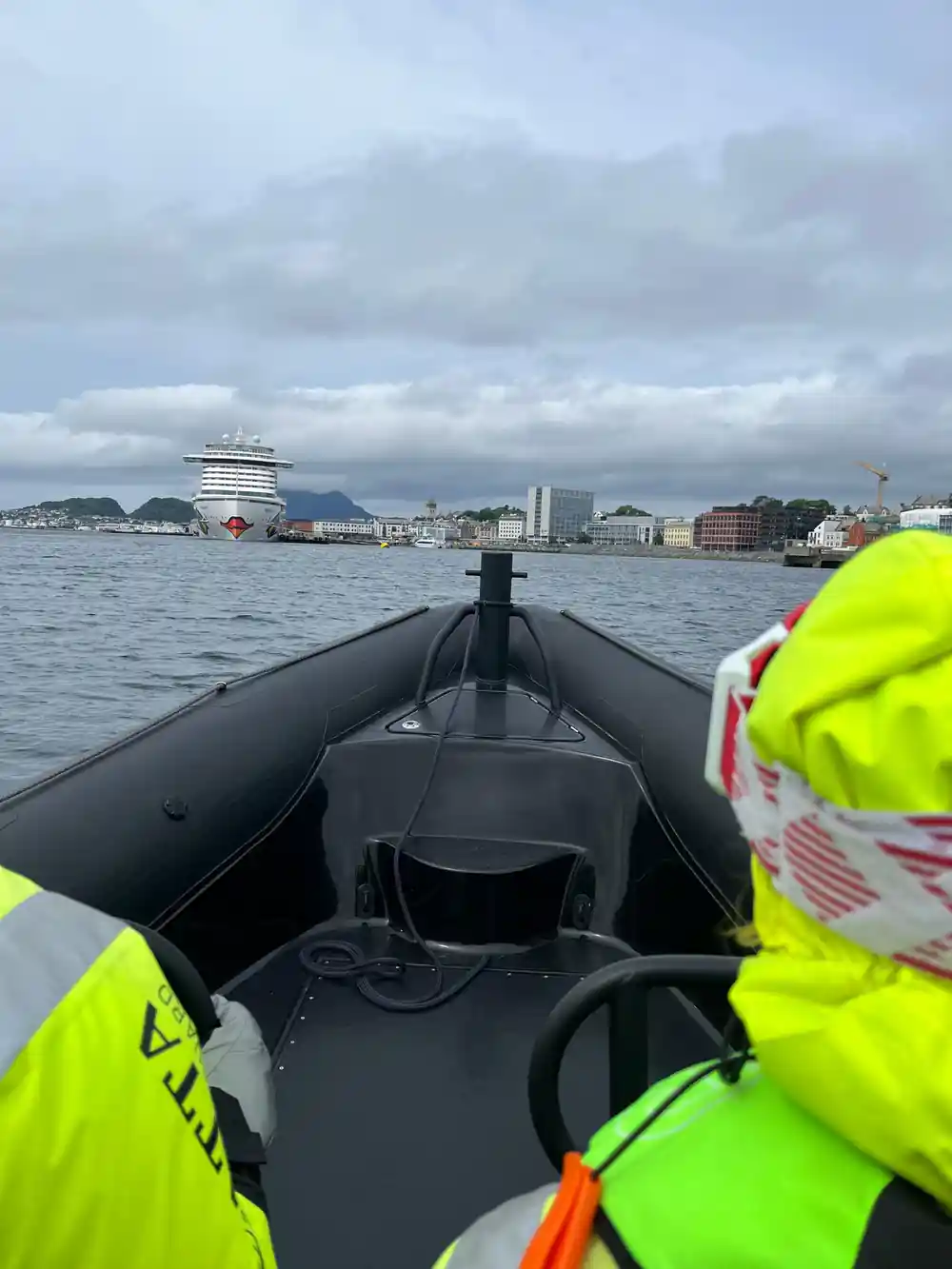
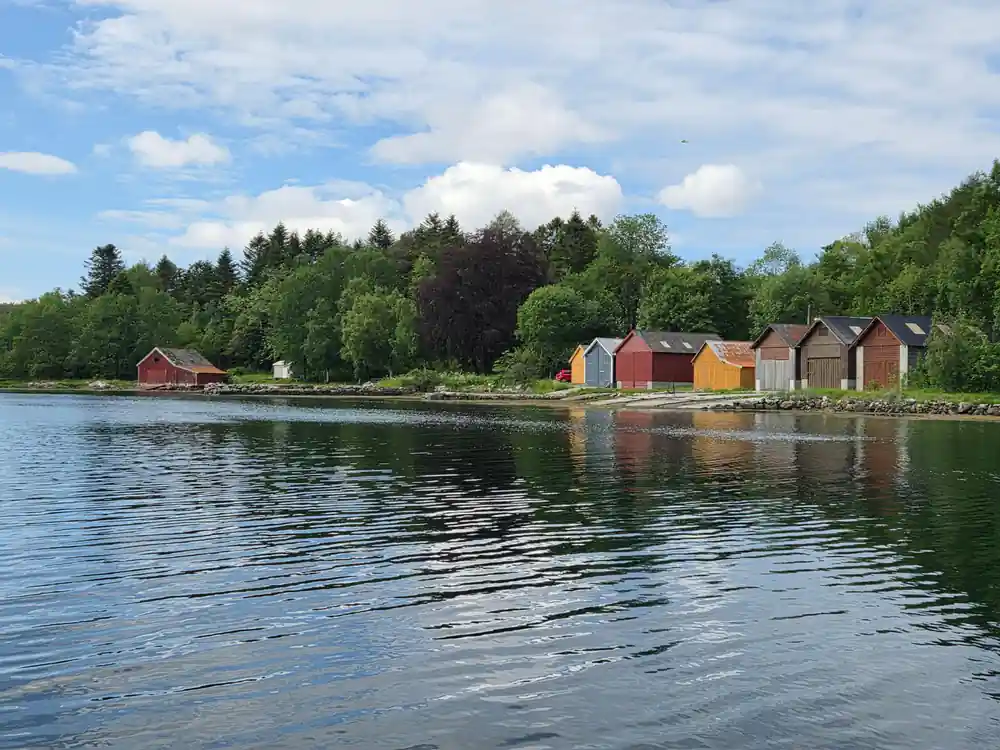
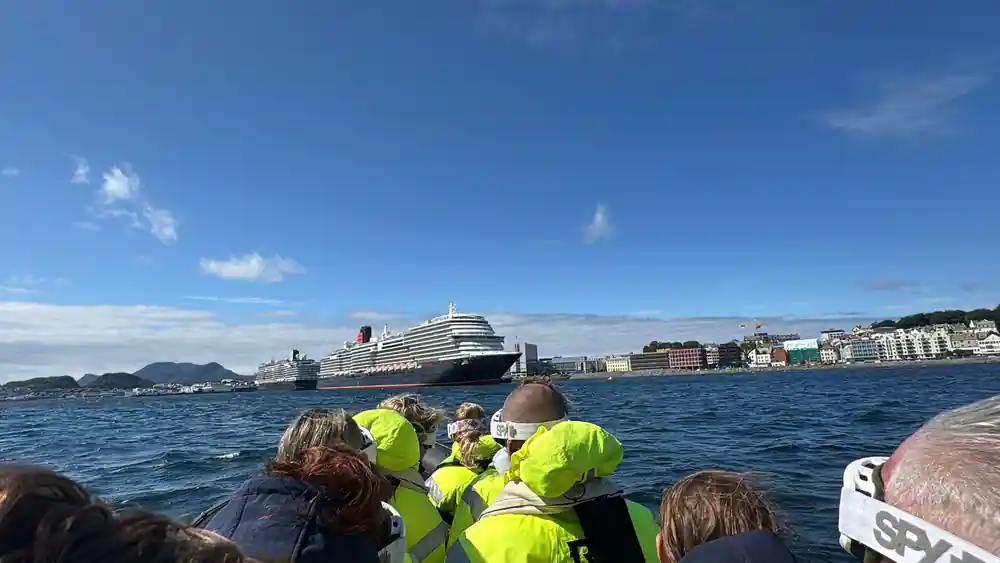
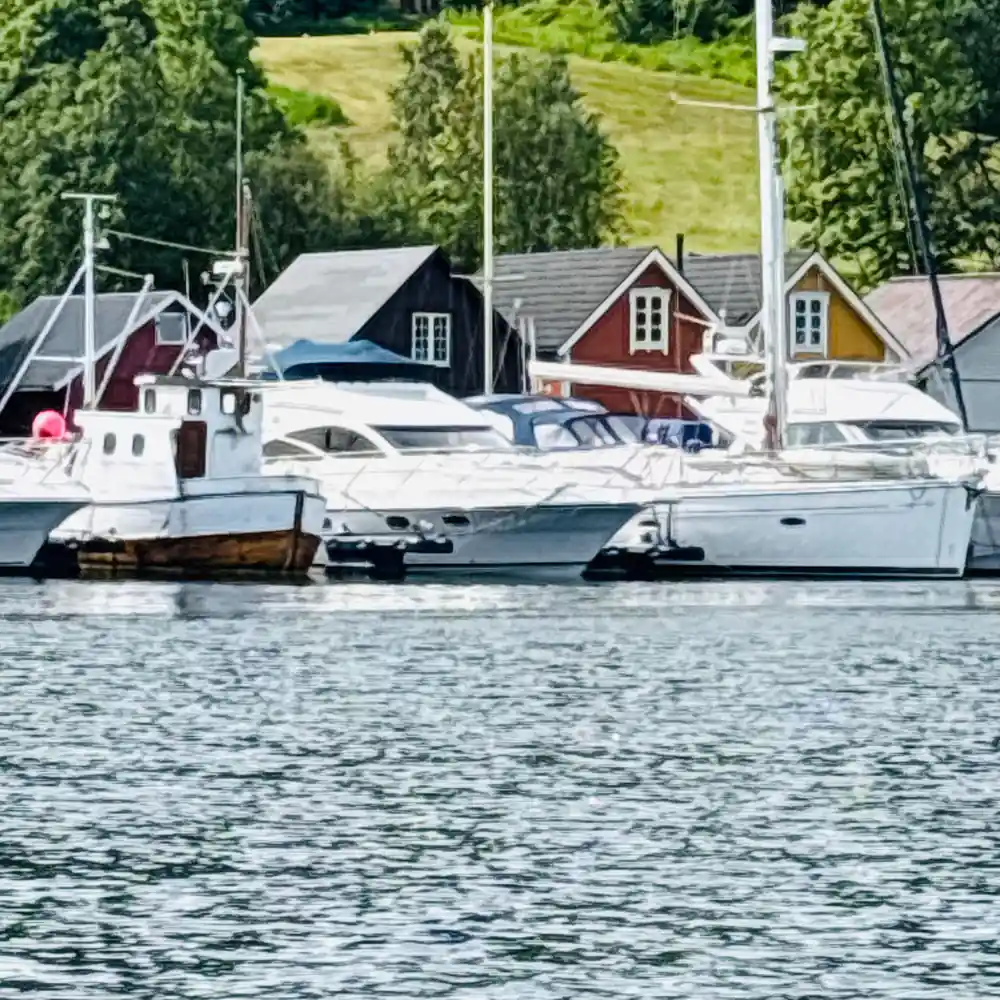
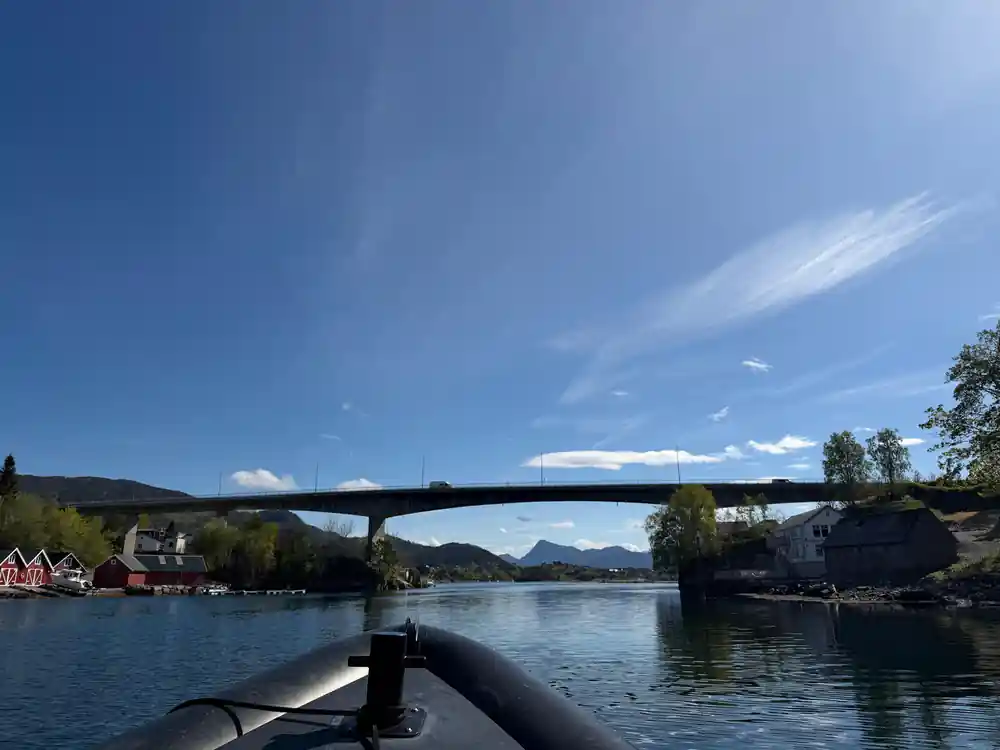
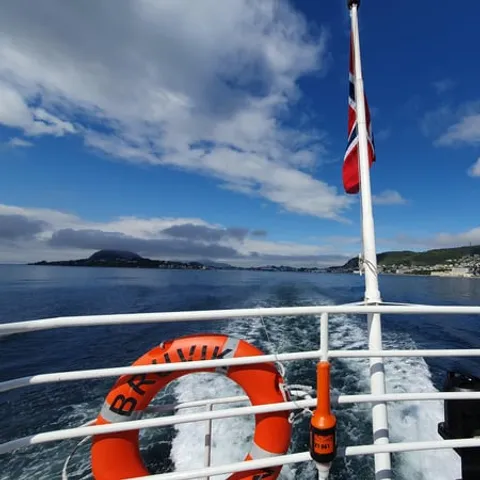
Out of the harbour, the route runs through the water around Alesund itself, which is worth the first few minutes on its own: a town built across islands, with the Art Nouveau frontage facing the water it was rebuilt to face after the fire of 1904.
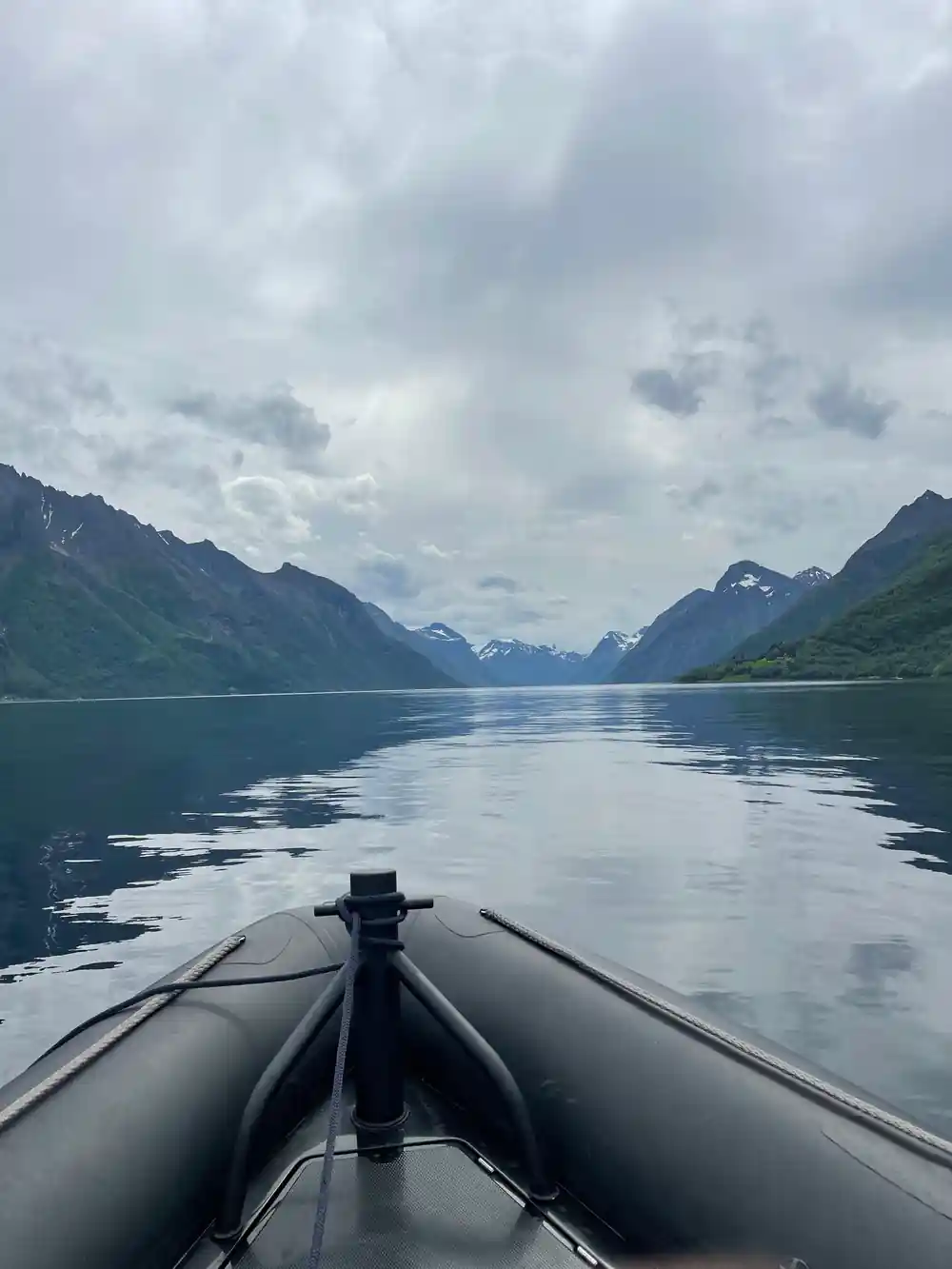
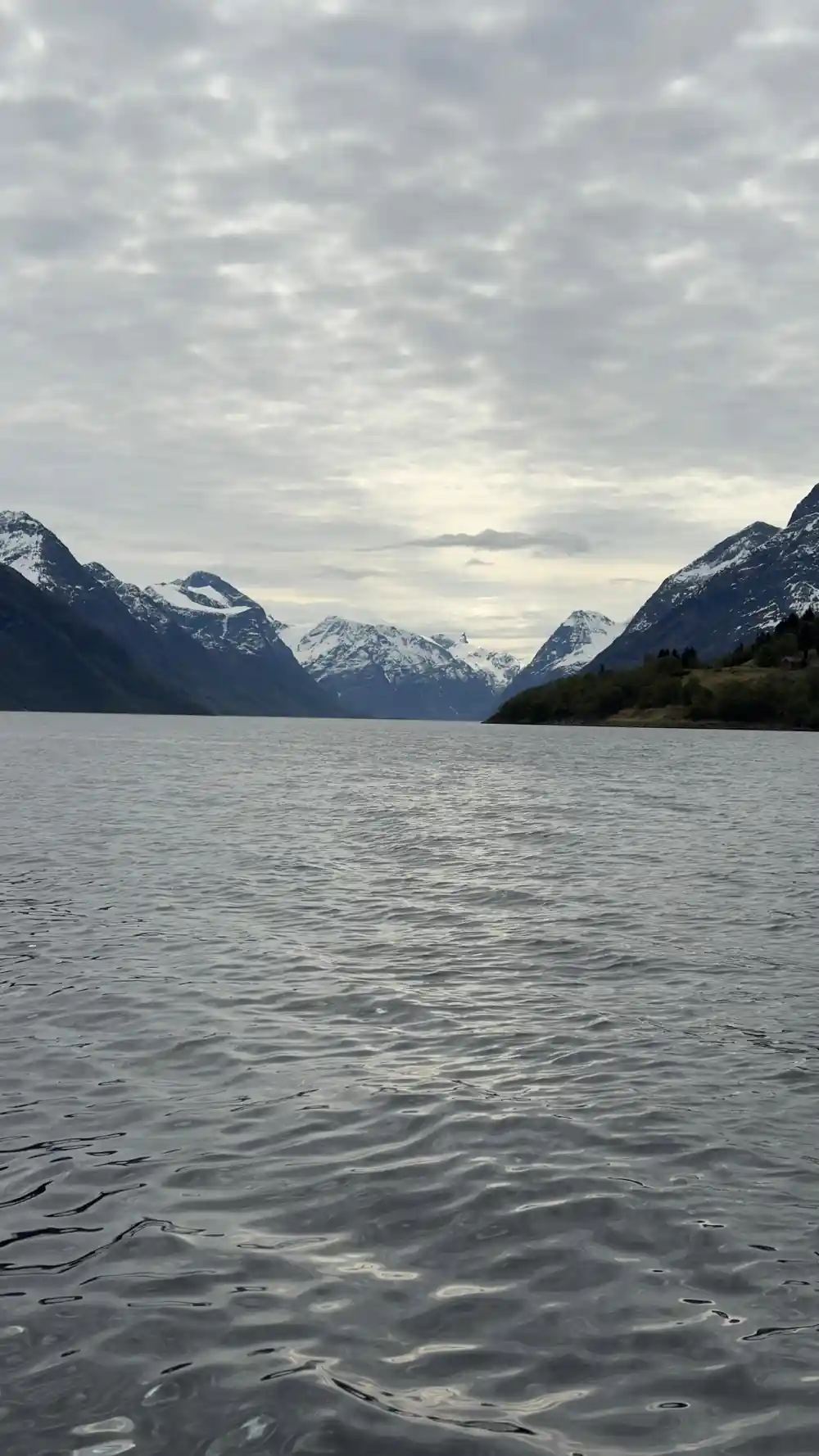
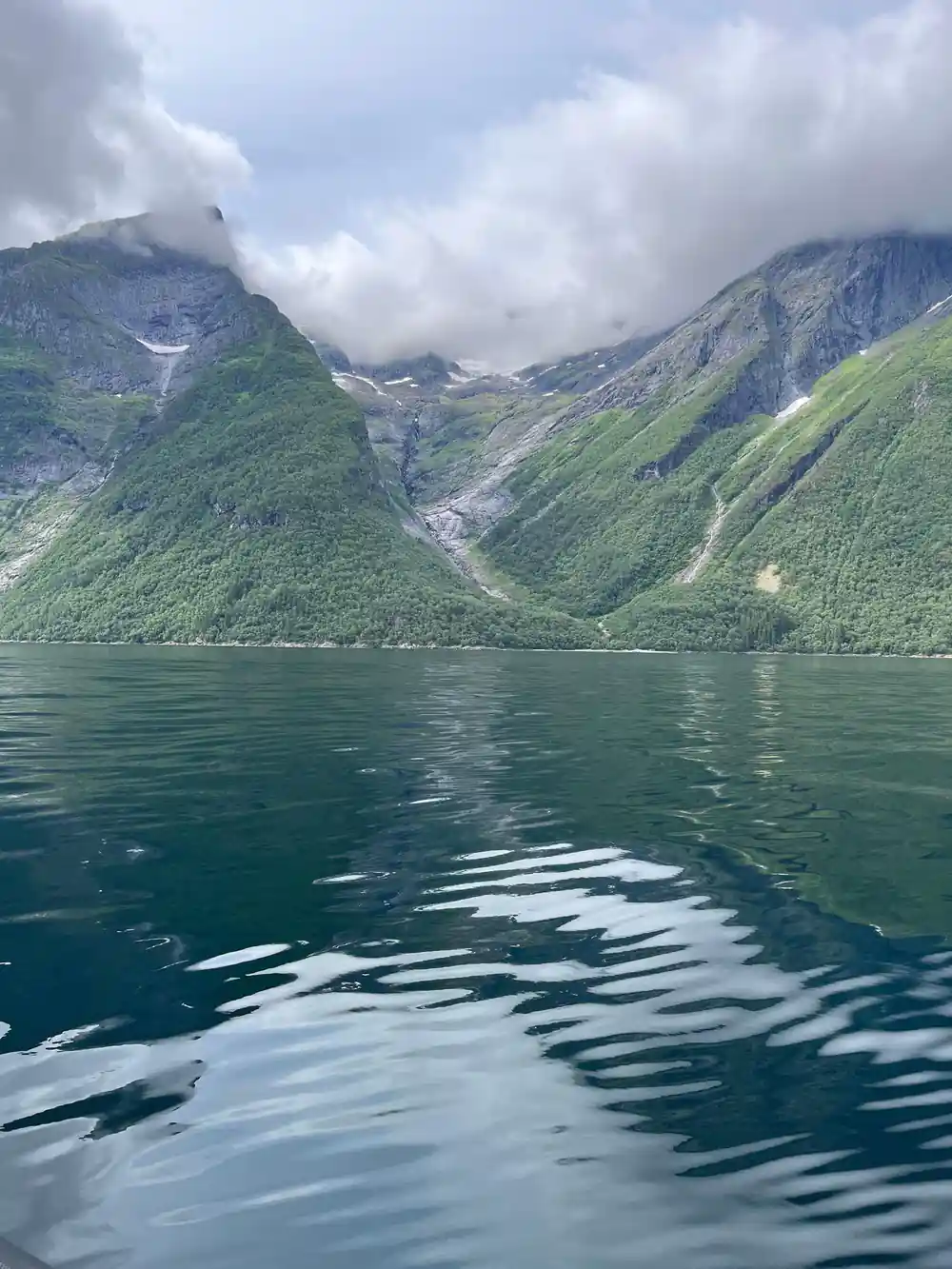
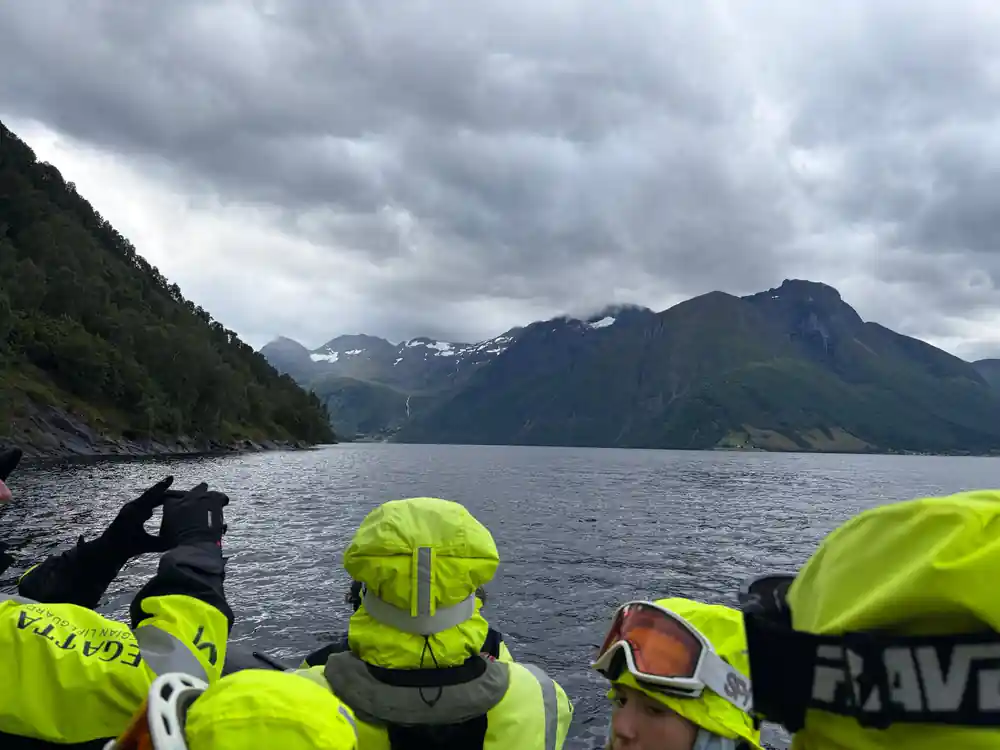
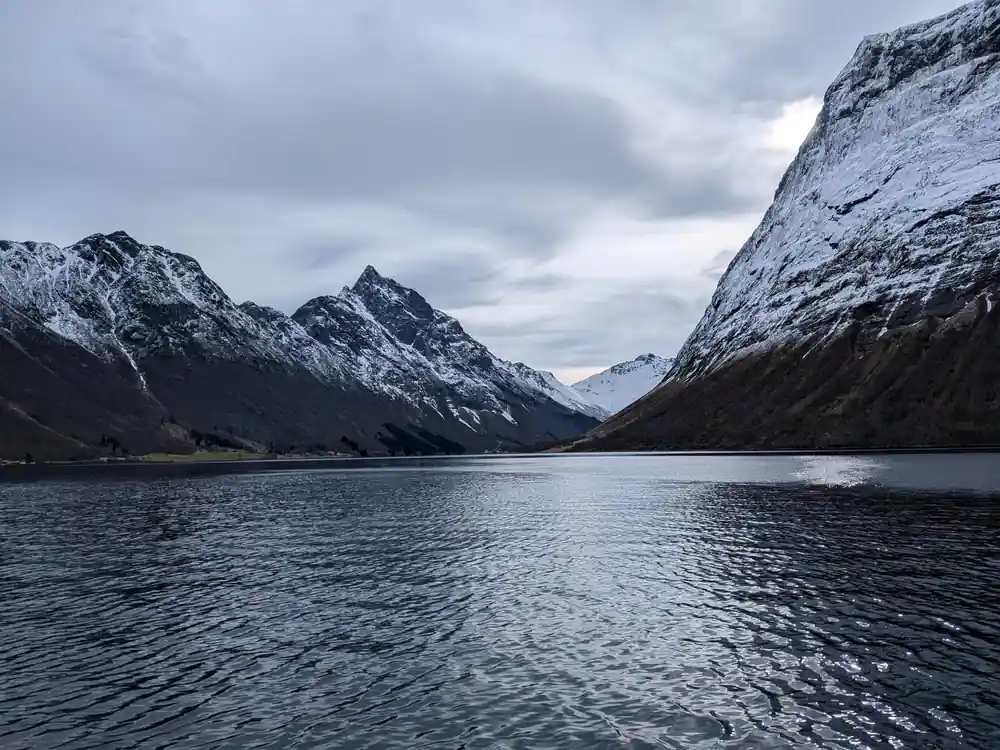
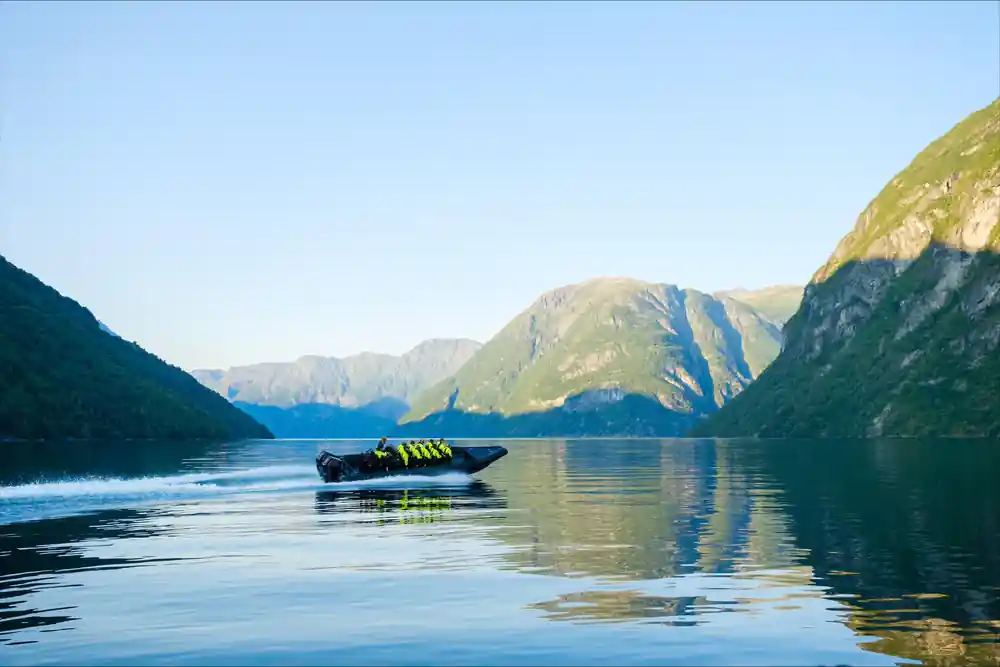
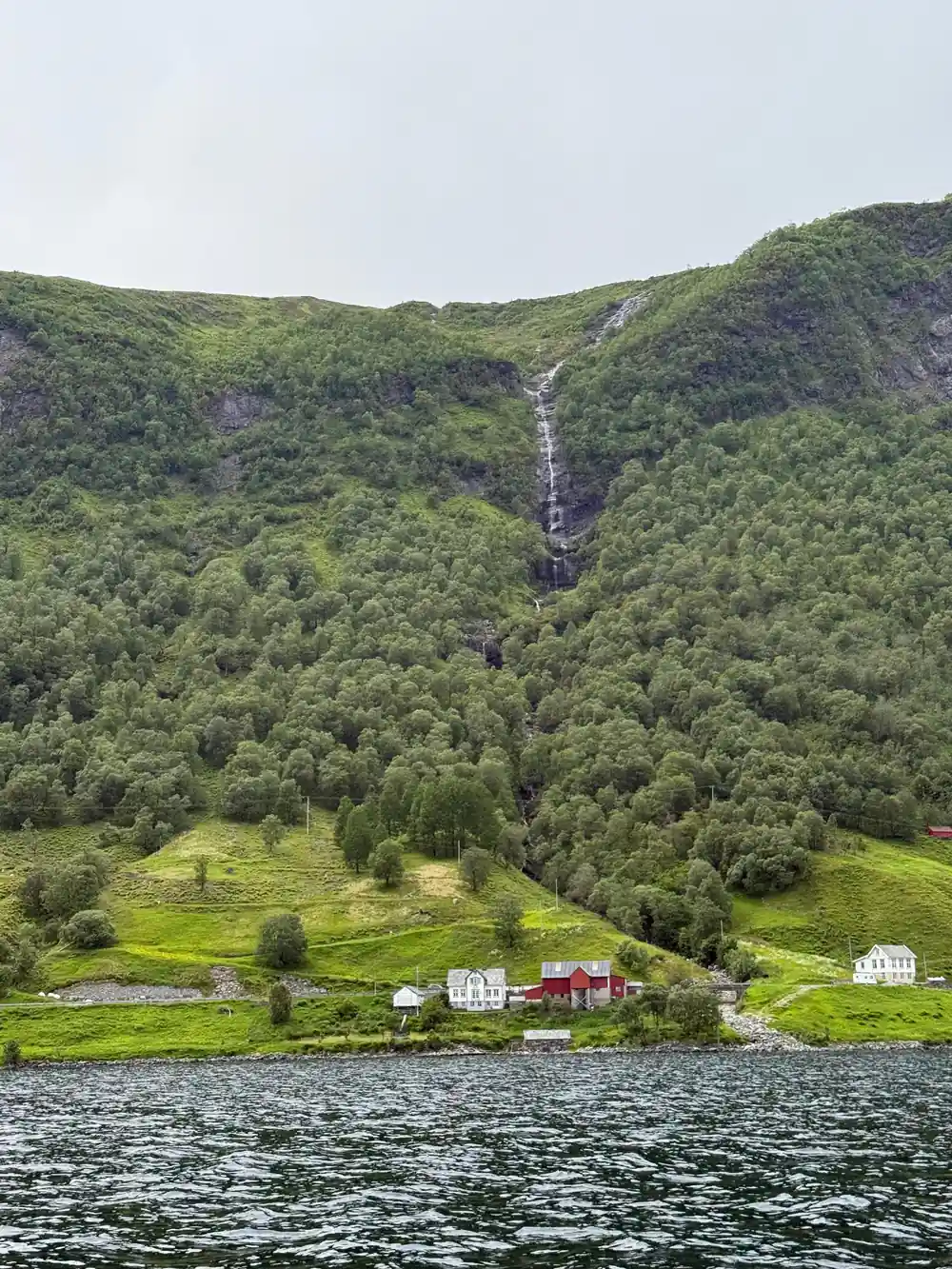
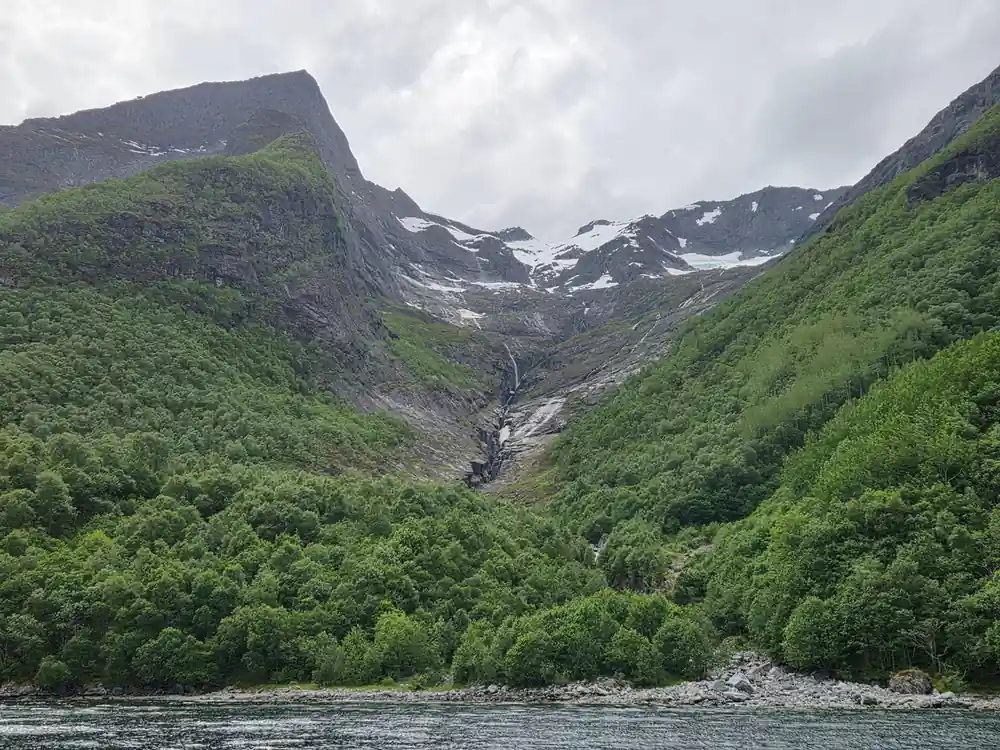
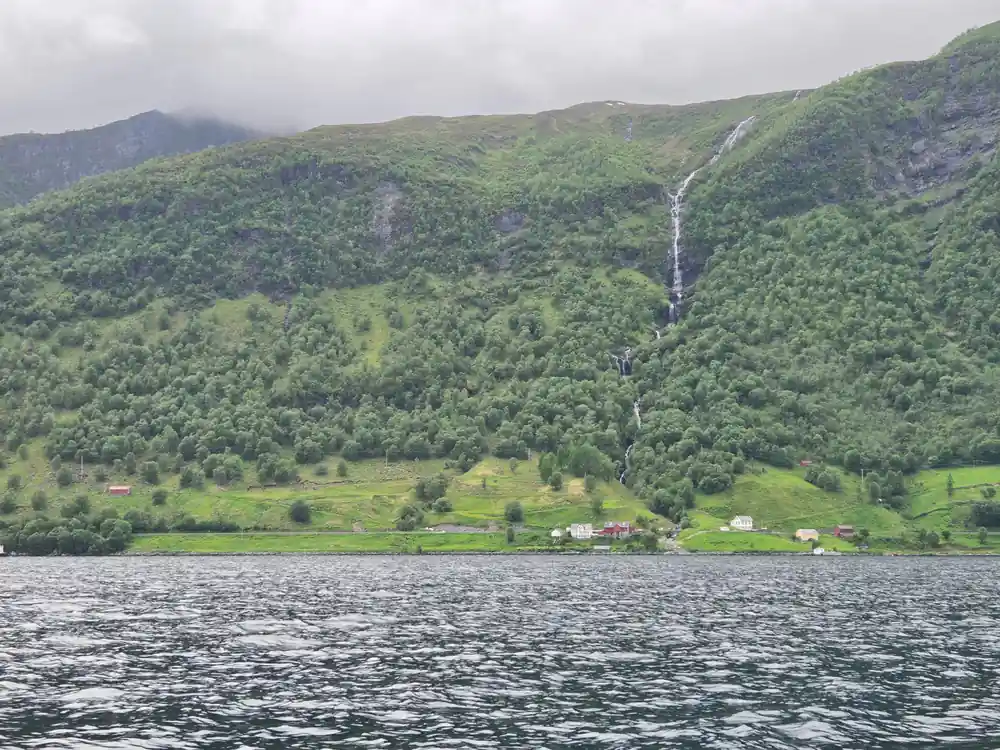
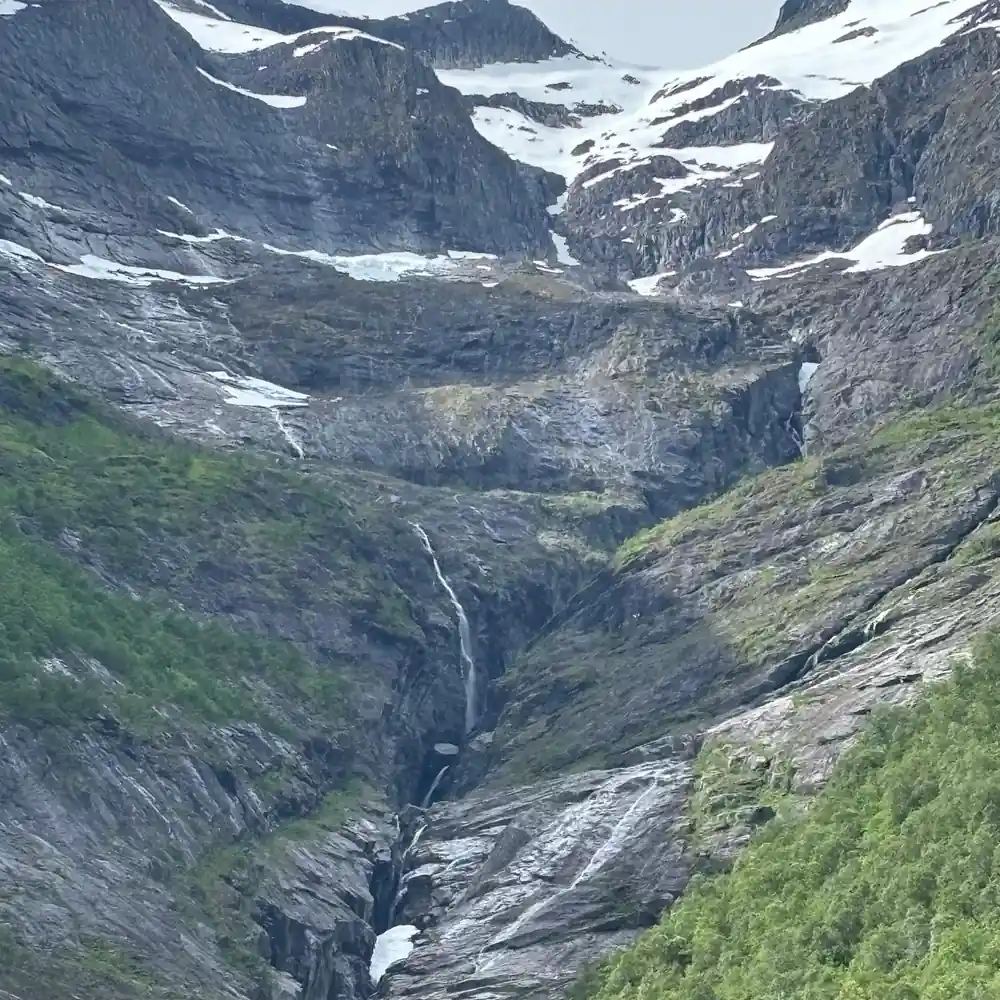
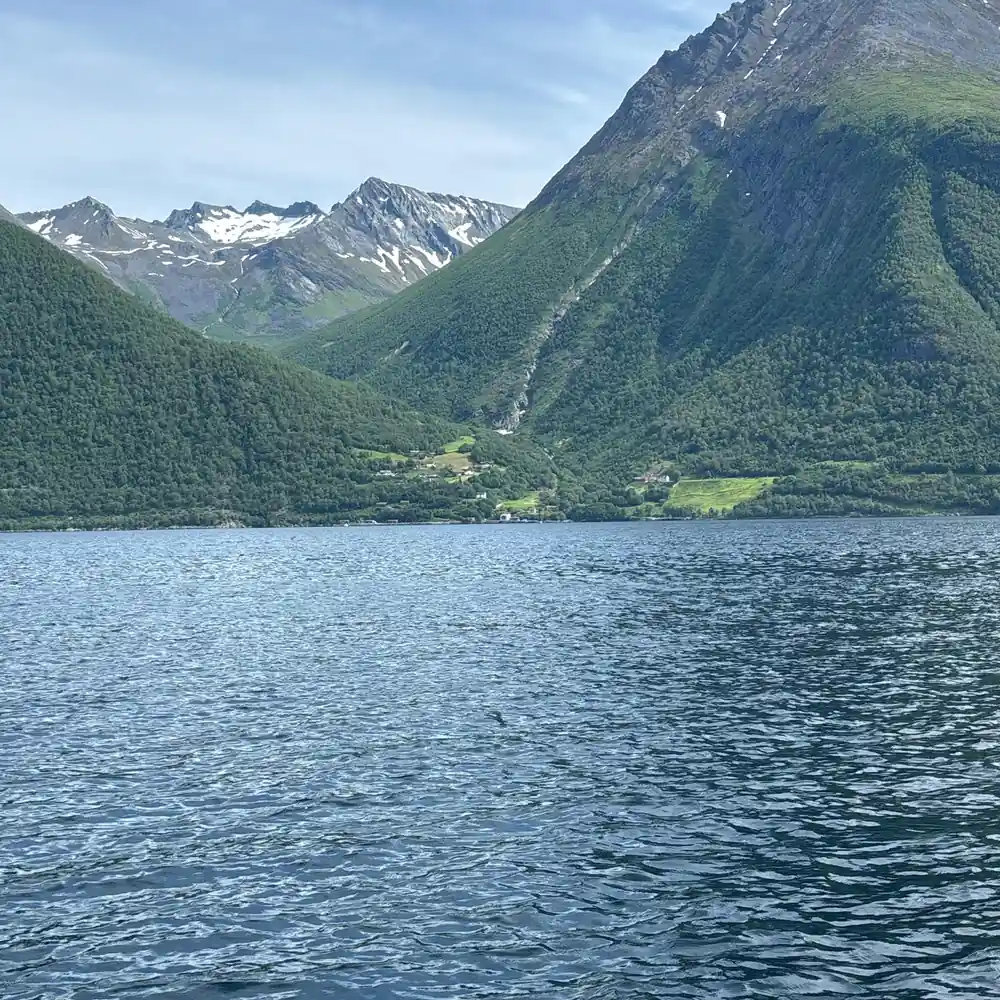
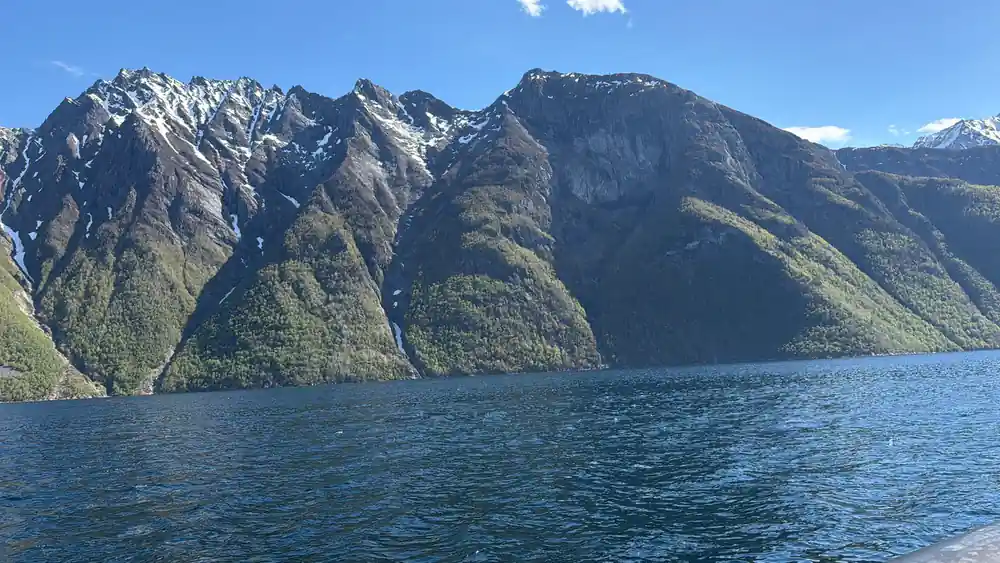
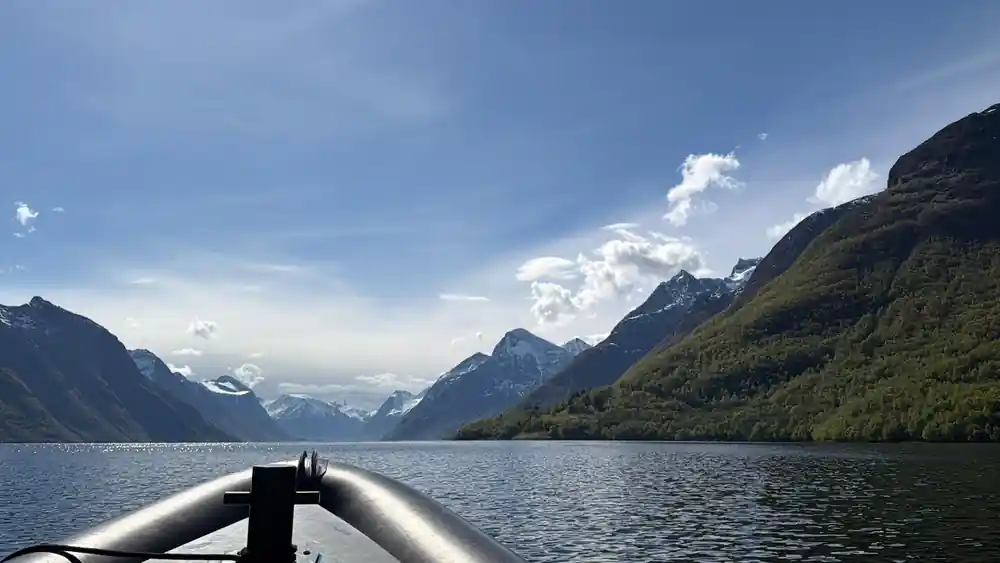
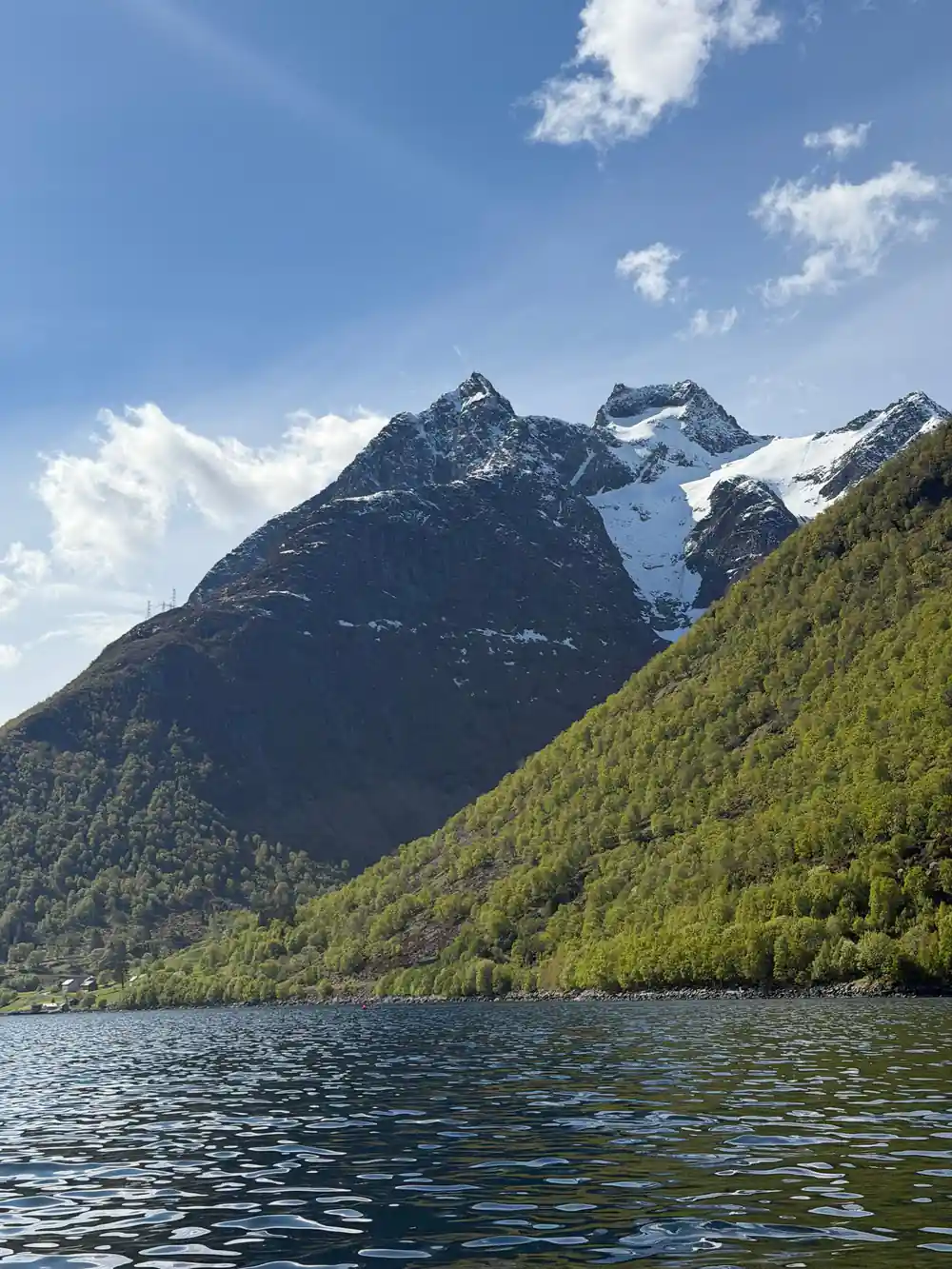
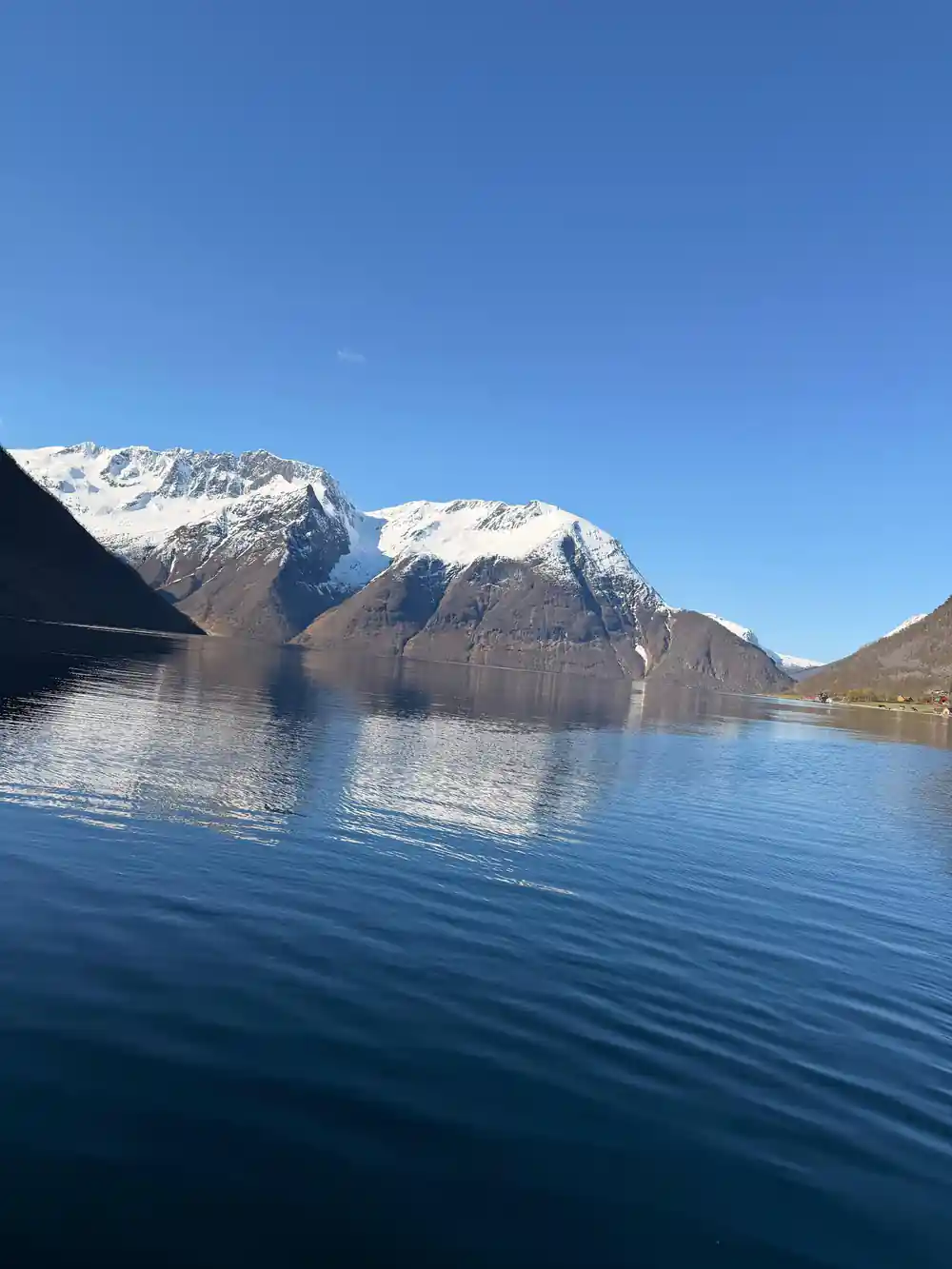
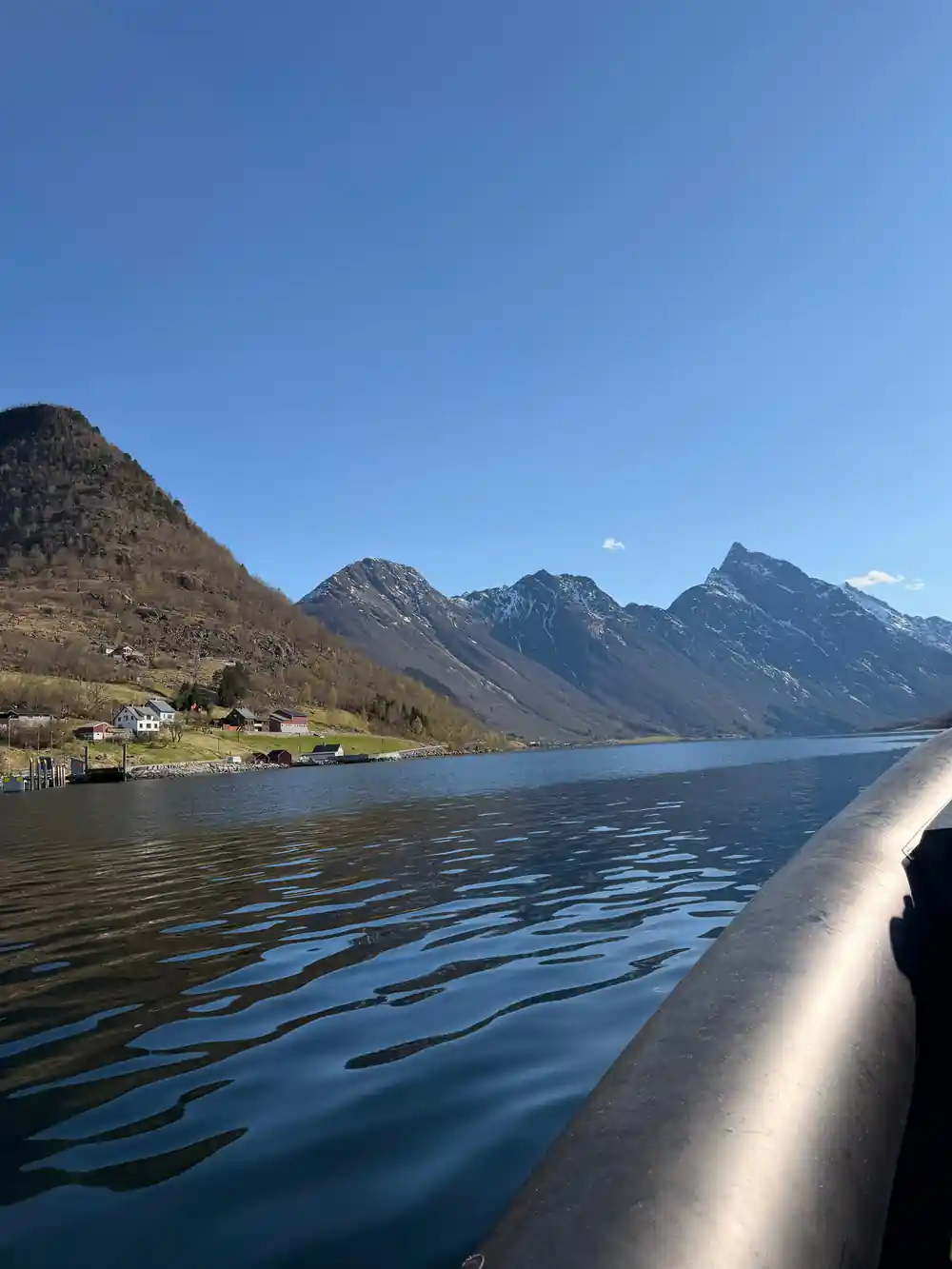
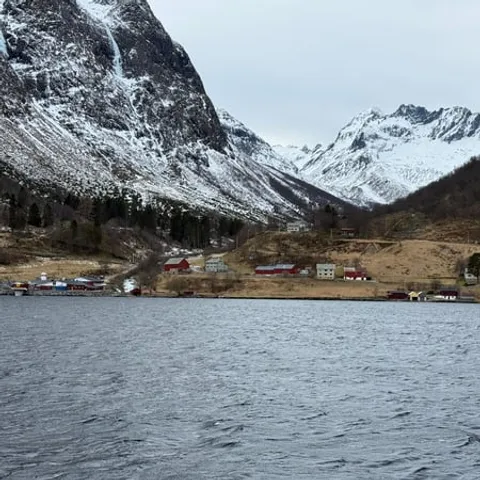
Then the boat heads for the Hjorundfjord, a long arm off the Storfjord with the Sunnmore Alps standing on both sides of it. These are steeper and more alpine than most Norwegian fjord scenery, and the peaks above the water here run past fifteen hundred metres, which is a great deal of mountain to have directly above a small boat.
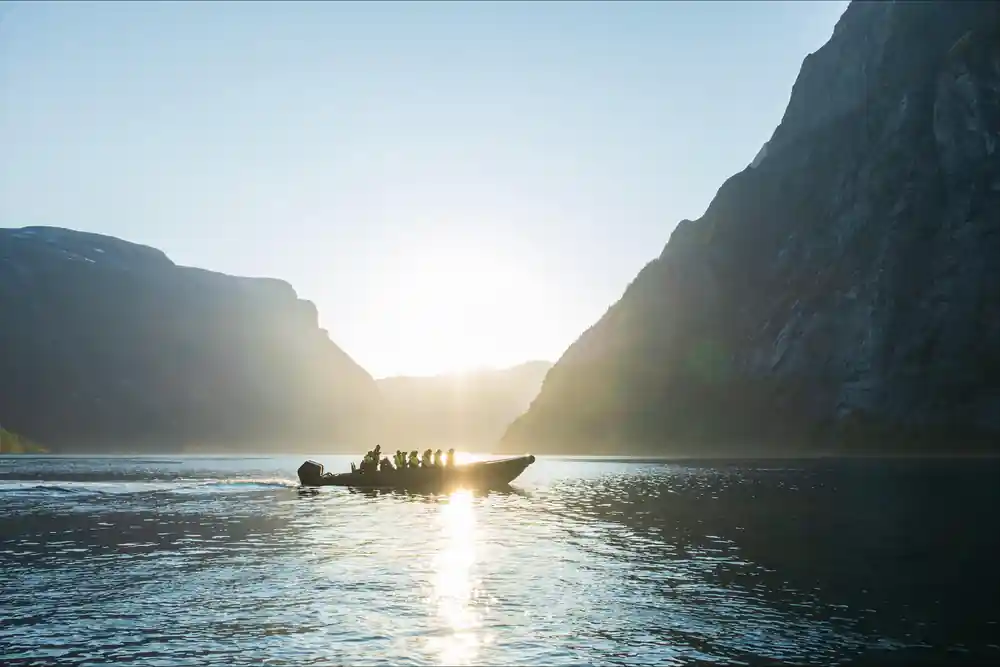
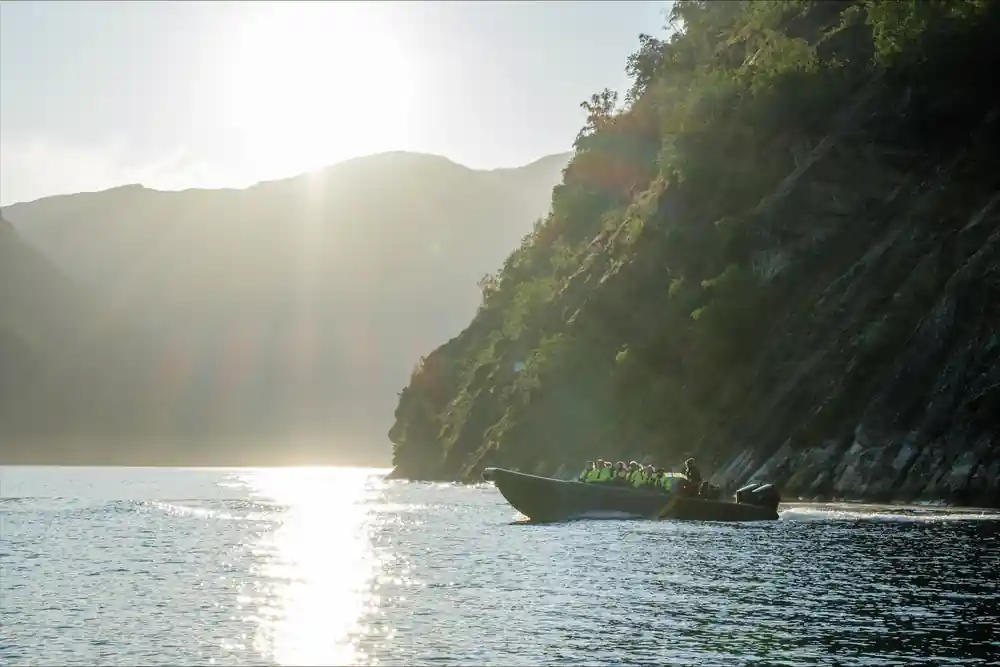
The fjord is quiet. Cruise ships do not go up it in numbers, the shore settlements are small, and on many trips the boat has the water to itself. That is a large part of why this fjord is the one the operator chose.
What you might see
The mountains are the guaranteed part. Everything alive is a matter of luck, and it is worth going in with that clear. White-tailed eagles hunt this coast, and Norway holds one of the largest populations in Europe, so a sighting is a realistic hope rather than a promise. They are unmistakable when they appear, with a wingspan that can pass two metres.
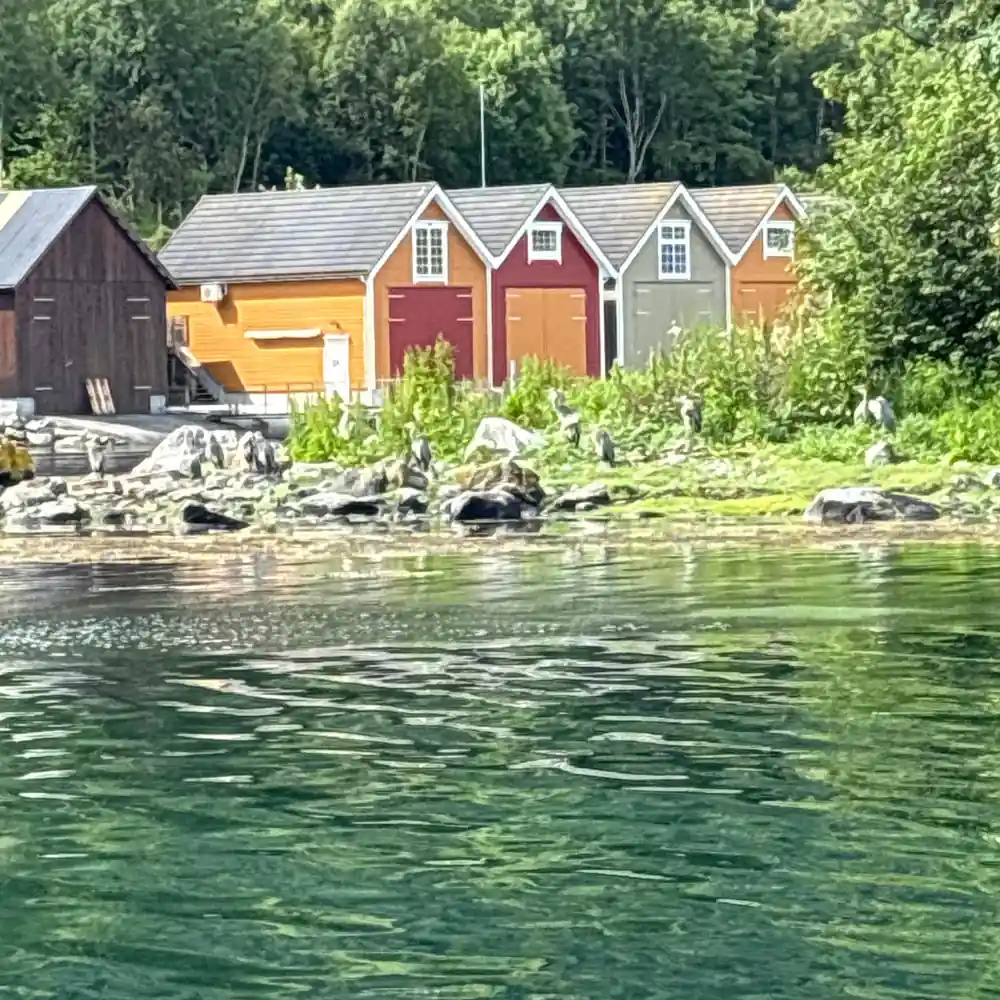
Harbour porpoises move through these sounds, usually seen as a brief roll at the surface rather than anything cinematic. Seabirds are constant. Whales are not what this stretch of coast is for, and any operator suggesting otherwise on a ninety-minute run from Alesund is selling something they cannot deliver.
A fast boat helps more than it hurts. It covers far more water in the time than a slow one, and the skipper is looking the whole way rather than following a timetable, so a bird on a ridge two kilometres off is something he can actually turn towards.
Leaving from beside the cruise gate
The departure point is on the waterfront, immediately outside the cruise gate, which is a deliberate piece of positioning. A large share of the people on this boat walked off a ship twenty minutes earlier, and the trip is built to fit inside a port call rather than to consume a whole day ashore.
That suits independent travellers too. There is no transfer, no coach, and no meeting point out of town: the boat leaves from the middle of Alesund, and you can be back in a cafe on the harbour front an hour and three quarters after you left it.
The weather, honestly
It rains in Alesund in every month of the year, and the wettest months are not the ones visitors expect: October and December are far wetter than July. Rain is therefore not a reason to cancel and not a reason to worry, because you will be in a flotation suit either way.
Wind is the variable that matters. An open boat on exposed water is governed by it, and a trip can be cut short or called off when it gets up. The skipper makes that call, and it is made on conditions rather than on optimism.
Cold is a function of speed rather than temperature. August tops out around twenty degrees on shore and feels considerably less than that at forty knots with spray coming over. The suit exists for exactly this reason, and the people who are uncomfortable are the ones who dressed for the shore forecast.
Who it suits
It suits anyone who would rather feel a fjord than look at one through glass, and anyone with a few hours rather than a day. It suits photographers, because it puts you at water level with nothing between the lens and the subject. It suits people who have already done a big fjord cruise and found it slow.
It does not suit everybody, and the operator is direct about that. The trip is listed as unsuitable for pregnant women, for people with back problems, for people with mobility impairments and for anyone prone to seasickness. A fast boat over chop transmits every wave through the hull to whoever is sitting on it, and that is not something a good day can smooth out.
If any of those apply, a conventional fjord cruise from the same harbour will show you similar water at a pace that will not hurt, and there are several leaving daily from quays within a few minutes' walk of this one.